Argentina Inflation Falls for First Time in 11 Months
Argentina's inflation rate dropped to 2.6% in April, marking the first slowdown in nearly a year and bringing hope to millions struggling with rising prices. After two years of painful economic reforms, the country is seeing its lowest annual inflation in eight years.
For the first time in 11 months, Argentinians are watching prices rise more slowly instead of faster.
The country's statistics bureau reported that consumer prices increased 2.6% in April, breaking an upward trend that had continued since May 2025. Annual inflation now sits at 32.4%, the lowest rate Argentina has seen in eight years.
The numbers matter because Argentina has battled some of the world's worst inflation for years. When President Javier Milei took office in December 2023, annual inflation was running at 211%. Families watched their savings evaporate and their budgets stretched impossibly thin.
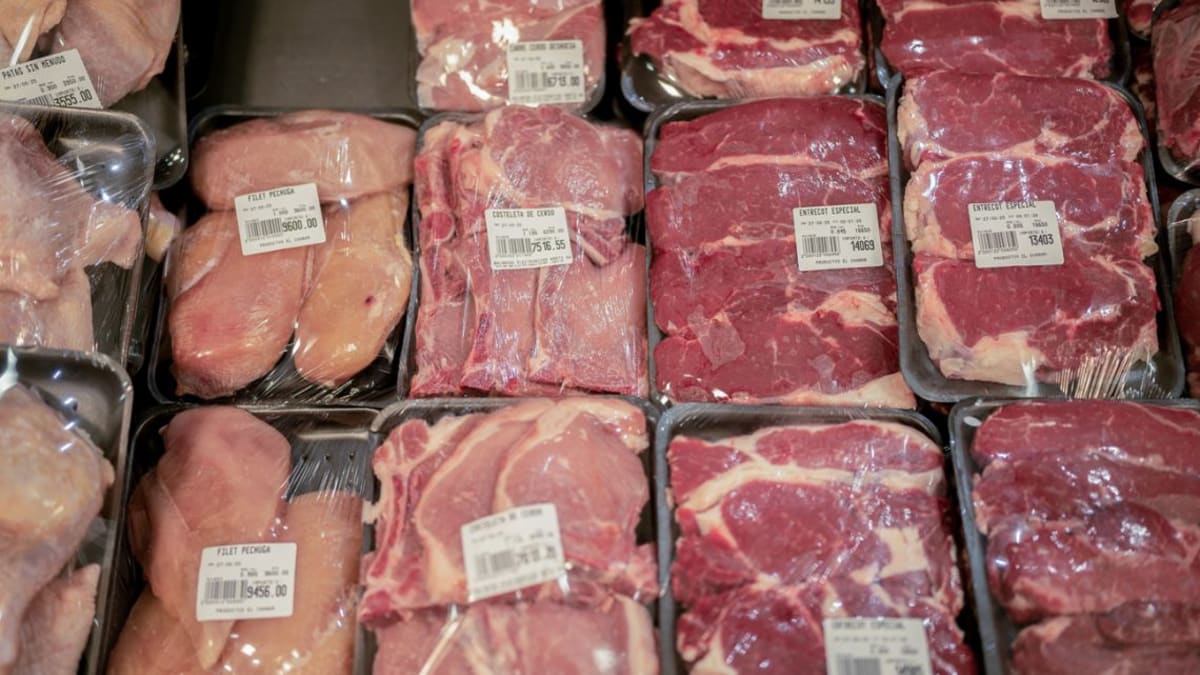
Food prices, which hit household budgets hardest, rose just 1.5% in April compared to 3.4% the month before. A family of four now needs about $1,050 monthly to avoid poverty, according to official measurements.
Transport costs jumped 4.4% as the government continues reducing subsidies. A subway ticket in Buenos Aires now costs around $1.05. Education and communication services also saw above average increases at 4.2% and 4.1%.
The Ripple Effect
While the statistics show improvement, the human impact tells a more complex story. Economist Guido Zack notes that wages have lagged behind price increases, meaning many Argentinians still feel squeezed even as inflation slows.
Yet the trend matters beyond monthly shopping bills. Lower inflation preserves savings, helps businesses plan investments, and gives workers more purchasing power over time. For a country that has struggled with hyperinflation for generations, establishing a downward trend represents genuine progress.
The government achieved this through strict fiscal discipline over two years. While the adjustment came with real pain, including reduced subsidies and government spending cuts, the International Monetary Fund is moving forward with a review that will unlock $1 billion in additional support.
Some shoppers remain skeptical. Adriana García, a 60-year-old French tutor in Buenos Aires, still sees prices climbing in her daily life. That disconnect between official numbers and personal experience reflects how long it takes for economic improvements to reach kitchen tables.
The path from 211% annual inflation to 32% shows what's possible when a country commits to economic reform, even when the journey is difficult.
More Images




Based on reporting by Buenos Aires Times
This story was written by BrightWire based on verified news reports.
Spread the positivity!
Share this good news with someone who needs it