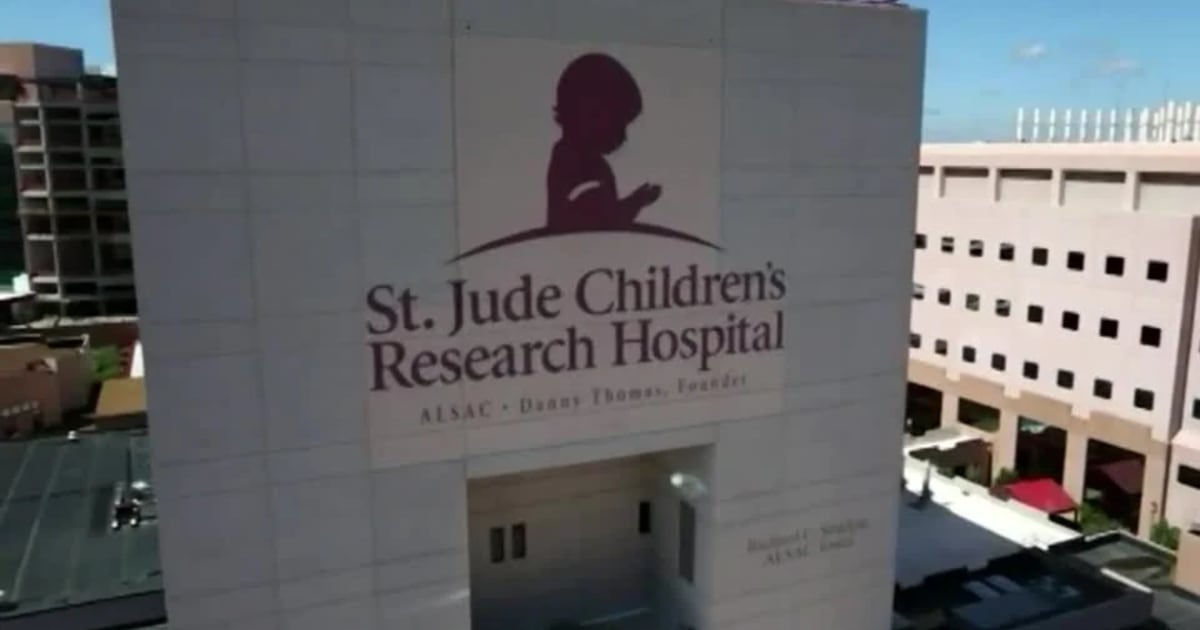
St. Jude Gets $28.5M for Gene-Editing Treatment for Kids
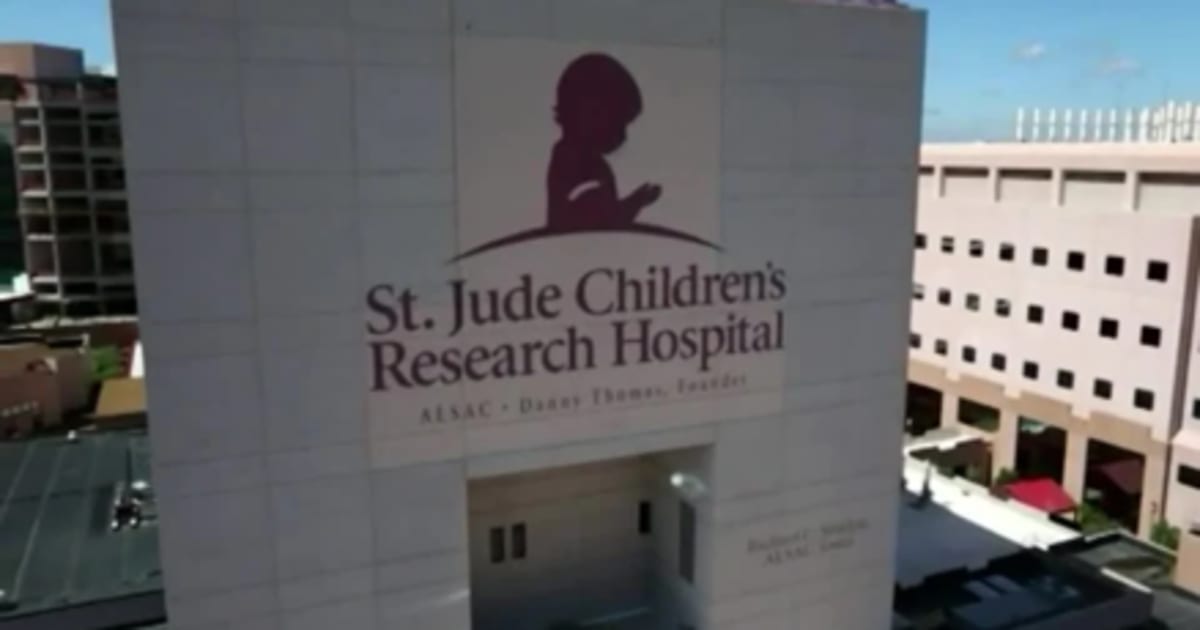
Researchers at St. Jude Children's Research Hospital just received $28.5 million to develop a breakthrough gene-editing treatment that could replace invasive bone marrow transplants for children with rare inherited diseases. Instead of weeks in isolation and chemotherapy, kids might one day receive a simple IV infusion that corrects the genetic mutation causing their disease.
Children born with rare inherited bone marrow disorders face a frightening reality: chemotherapy, bone marrow transplants, and weeks in hospital isolation. A groundbreaking project at St. Jude Children's Research Hospital could soon change that.
Dr. Shengdar Tsai and his team just received up to $28.5 million from the federal government's Advanced Research Projects Agency for Health. The funding will develop DRIVE (Delivering Rare Disease In Vivo Editors), a new gene-editing platform designed to treat inherited bone marrow disorders by correcting genetic mutations directly in the body.
"These patients live with this idea of almost like an invisible sword over their heads," Tsai said. "It's a progressive disorder, and we believe that if we can edit them at an early stage, it could really improve their quality of life."
The innovation lies in how the treatment would work. Current gene therapies require removing a patient's cells, editing them in a laboratory, and returning them to the body. This new approach would deliver gene-editing medicine directly to patients through a simple IV infusion.
The project will initially target rare disorders including GATA2 deficiency and Shwachman-Diamond syndrome. Right now, the only cure for many inherited bone marrow failure syndromes is a bone marrow transplant, which comes with serious risks.
Dr. Marcin Wlodarski, director of the Bone Marrow Failure Program at St. Jude, explained the current challenge. The transplant procedure requires chemotherapy and weeks of hospitalization and isolation, exposing children to dangerous infections and other complications.
"With this new approach, with a simple IV infusion, we could potentially cure the disease," Wlodarski said.
Why This Inspires
This federal investment of $28.5 million represents more than just funding for one hospital. It's part of a larger $160 million initiative to accelerate precision genetic medicines for rare inherited diseases across the country.
What makes this project especially exciting is its potential reach. While researchers are starting with bone marrow disorders, they believe this technology could eventually treat many other rare genetic diseases.
"We think these technologies could be really broadly applicable," Tsai said. "We think they could be used to treat many different rare genetic diseases."
The funding will help researchers develop the gene-editing platform, complete the necessary studies before human testing, and prepare future therapies for clinical trials. While the work is still in early stages, the team is optimistic about moving toward clinical trials in the coming years.
For families living with the constant worry of rare inherited diseases, this research offers something precious: the possibility that a simple infusion could replace invasive procedures and give their children healthier, fuller lives.
More Images



Based on reporting by Google News - Disease Cure
This story was written by BrightWire based on verified news reports.
Spread the positivity!
Share this good news with someone who needs it