Stage 4 Brain Cancer Patient Defies Months-to-Live Prognosis
A Manitoba man told he had three to six months to live has recovered to 90% health using a wearable cancer device. His dramatic turnaround is sparking hope for brain cancer patients across Canada.
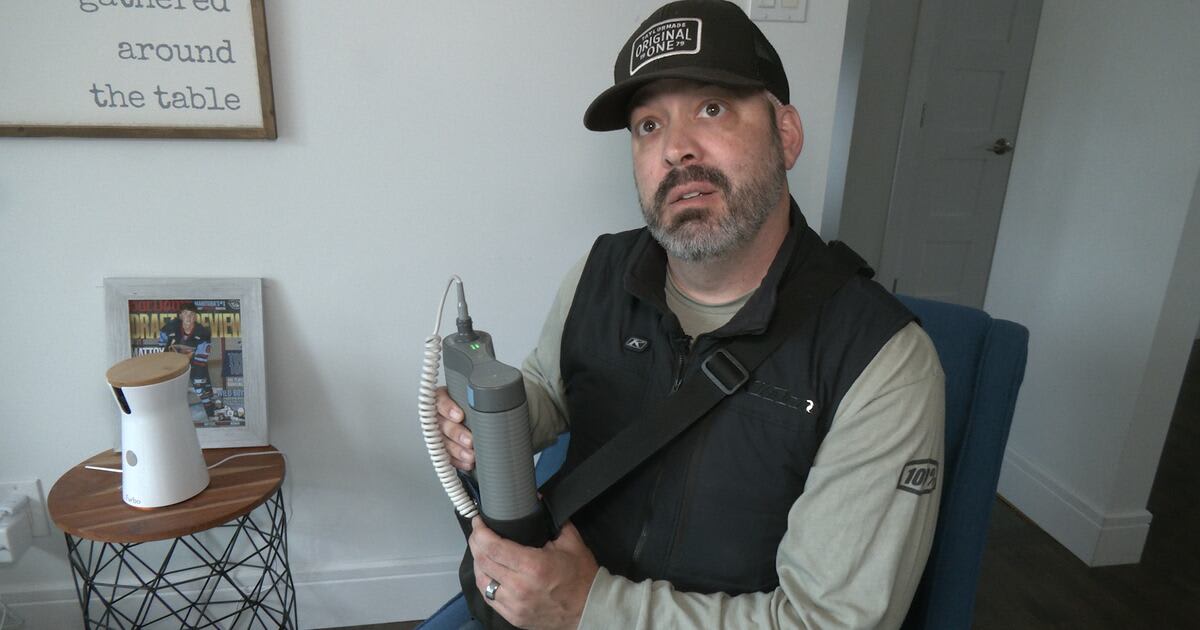
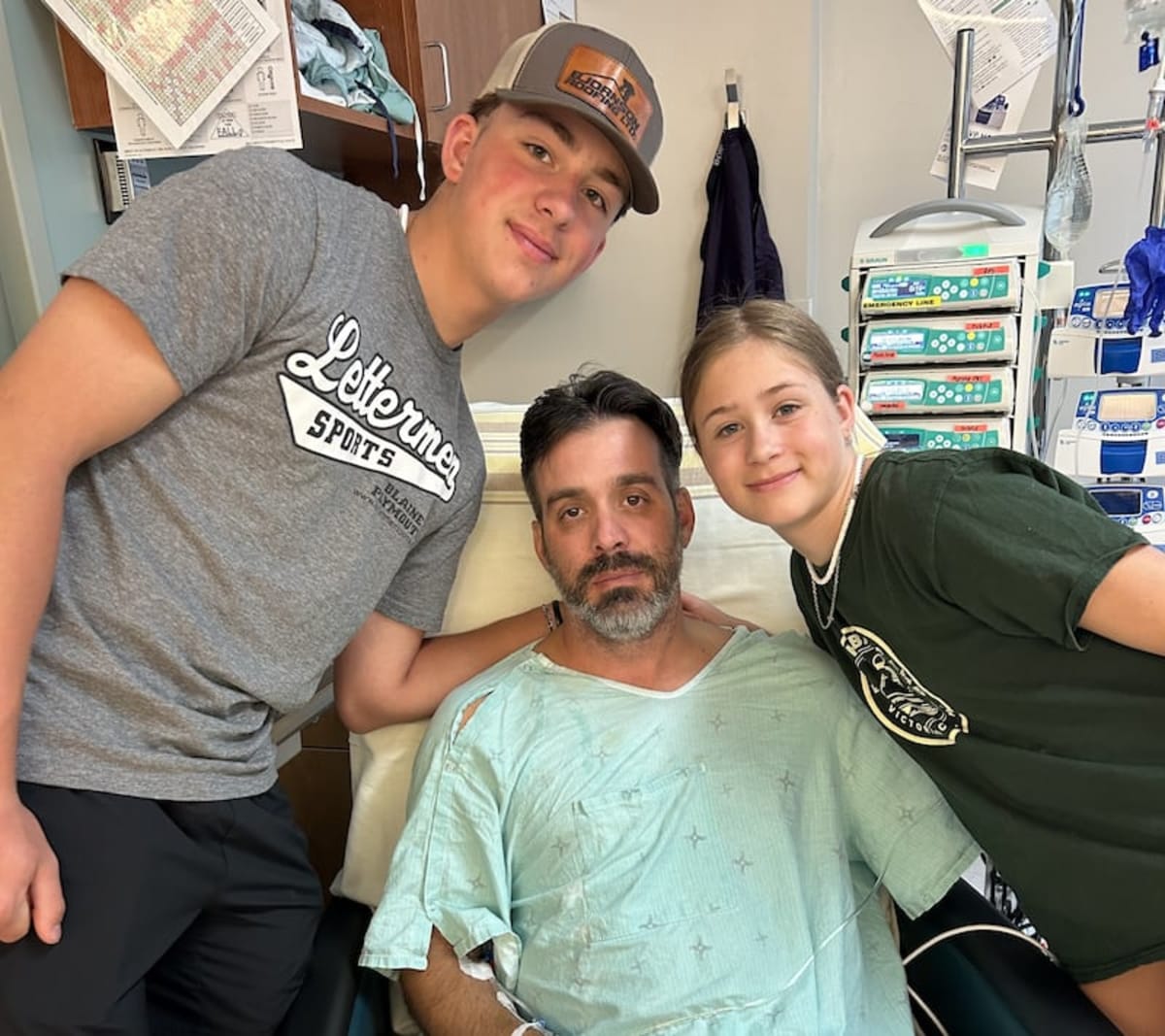
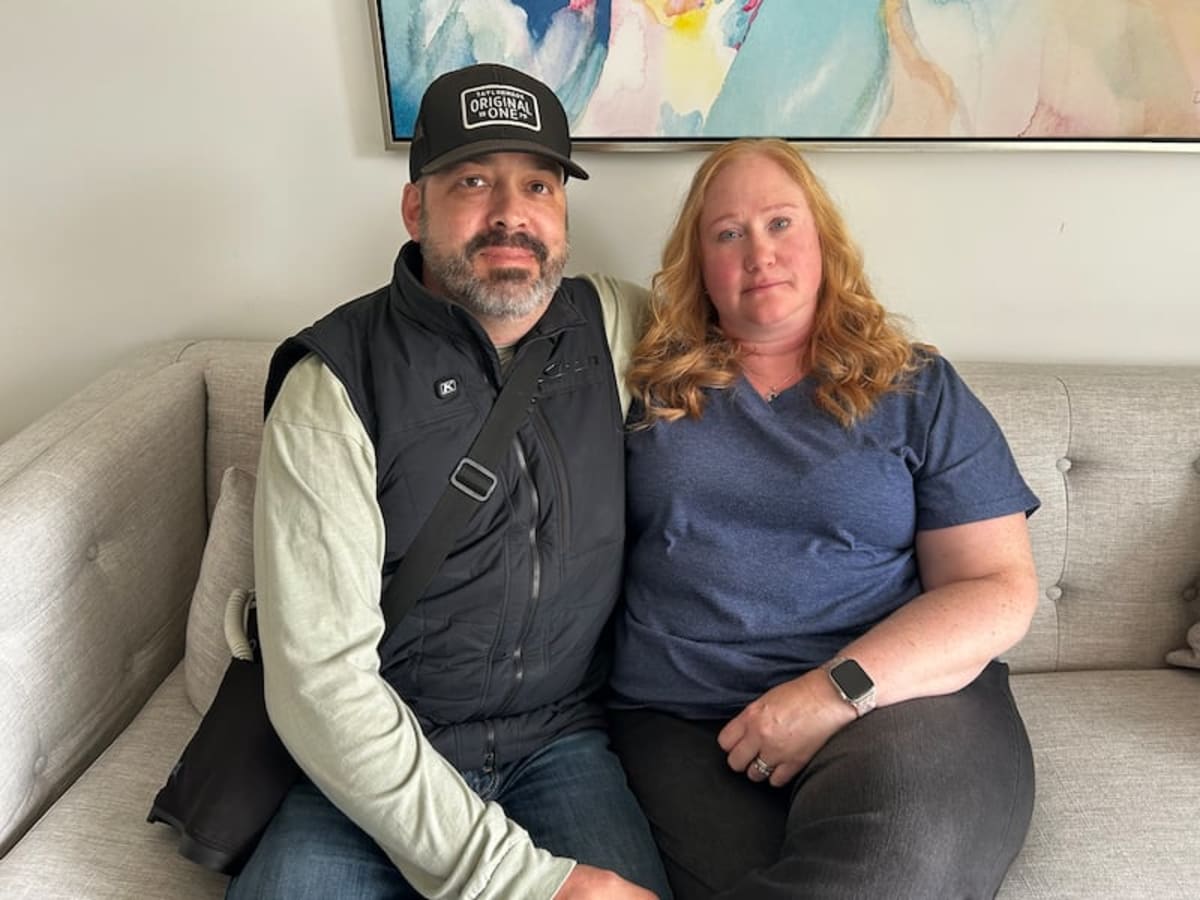
Francesco Colosimo was given three to six months to live last winter, confined to a wheelchair and losing his ability to speak. Today, the 47-year-old father of two is back to 90% of his former self, walking, talking, and spending precious time with his kids.
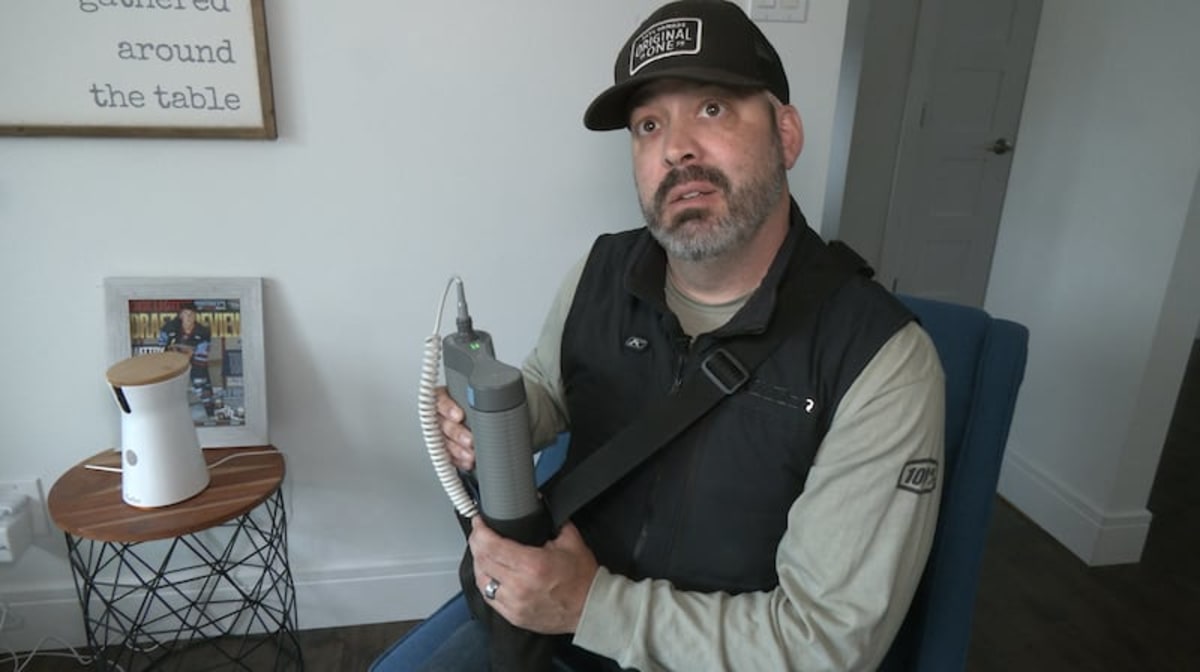
His turnaround came from an unlikely source: a wearable device that looks nothing like traditional cancer treatment. After surgery, radiation, and chemotherapy failed to stop his aggressive glioblastoma brain tumor, Colosimo's wife Shauna discovered Optune Gio, a portable device approved by Health Canada in 2022 that uses electric fields to slow cancer cell division.
"I started to feel better," Colosimo said. "The ability to talk, walk, be around friends, understand where we were going." By late 2025, he had been so sick that his family was considering end-of-life care. Now he's living what he calls a normal life.
The catch? The device costs $28,000 per month, and only British Columbia covers it. The Winnipeg family has relied on donations to afford the treatment, spending hundreds of thousands of dollars for Francesco's recovery.
Why This Inspires
Shauna, a radiation therapist, believes her husband's story proves what's possible when patients get access to innovative treatments early. "If it was covered and given as an option from the beginning, maybe it would have changed things," she said.
Manitoba's health minister says the province is reviewing the device, following British Columbia's lead. The Canadian Cancer Society is pushing for coverage across the country, arguing that where you live shouldn't determine whether you survive cancer.
Other provinces are now watching Manitoba's review process, which could open doors for thousands of brain cancer patients nationwide. Clinical experts are assessing patient outcomes and how the device fits into Canada's broader cancer care system.
Francesco knows his recovery is rare. "I shouldn't even be here," he said. But instead of just celebrating his second chance, he's sharing his story so other families know this option exists.
The couple has committed to helping anyone who reaches out about the treatment, passing along information and guidance to families facing similar diagnoses.
For now, Francesco focuses on what matters most: being present for his wife and children, making memories that once seemed impossible.
More Images

Based on reporting by Google News - New Treatment
This story was written by BrightWire based on verified news reports.
Spread the positivity!
Share this good news with someone who needs it