Stage 4 Cancer Mom Cancer-Free After Friend's Liver Gift
A Los Angeles mom of three has no evidence of cancer three months after receiving part of her best friend's liver. The lifesaving transplant offers new hope for patients with colorectal cancer that has spread.
Amy Piccioli walked into an emergency room for dehydration in May 2024 and left with a Stage 4 colorectal cancer diagnosis. Three months after a groundbreaking liver transplant, the 39-year-old mom of three has no evidence of disease.
"I'm just looking forward to living my life again without cancer being at the forefront of my mind," Piccioli told Good Morning America.
The Los Angeles mother had no symptoms and no family history when imaging revealed a colon mass that had spread to her liver. After multiple rounds of chemotherapy failed to stop the cancer's progression, her doctors referred her to Northwestern Medicine in Chicago, one of the only programs in the country offering liver transplants specifically for colorectal cancer patients.
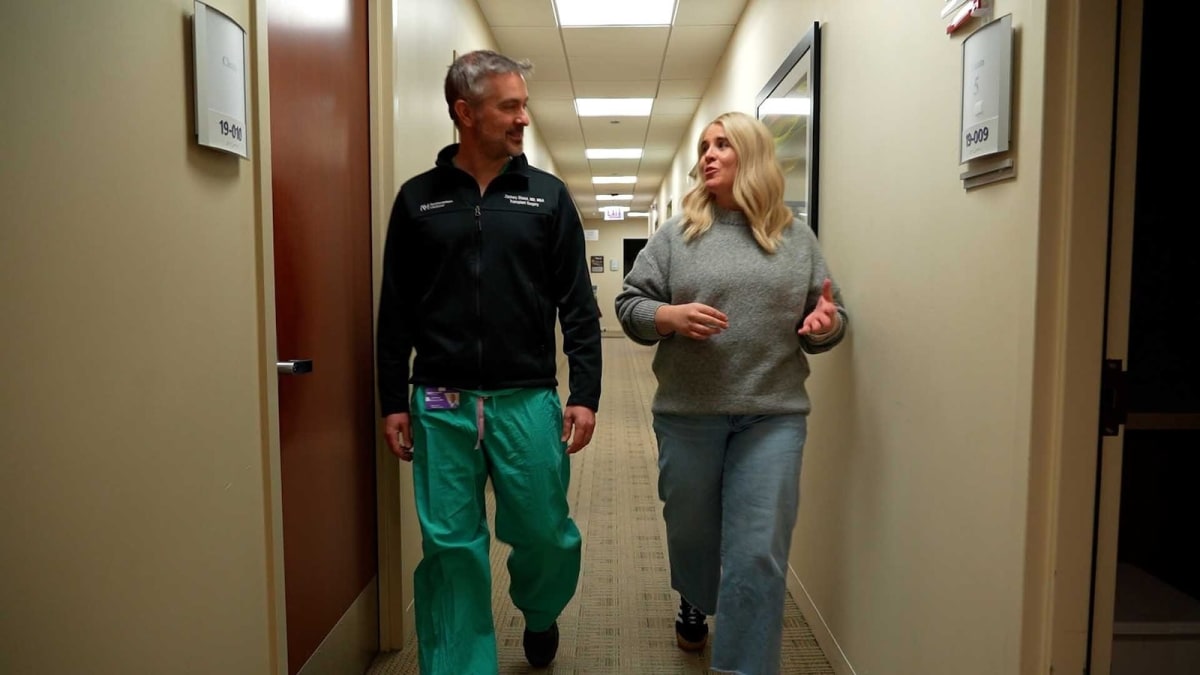
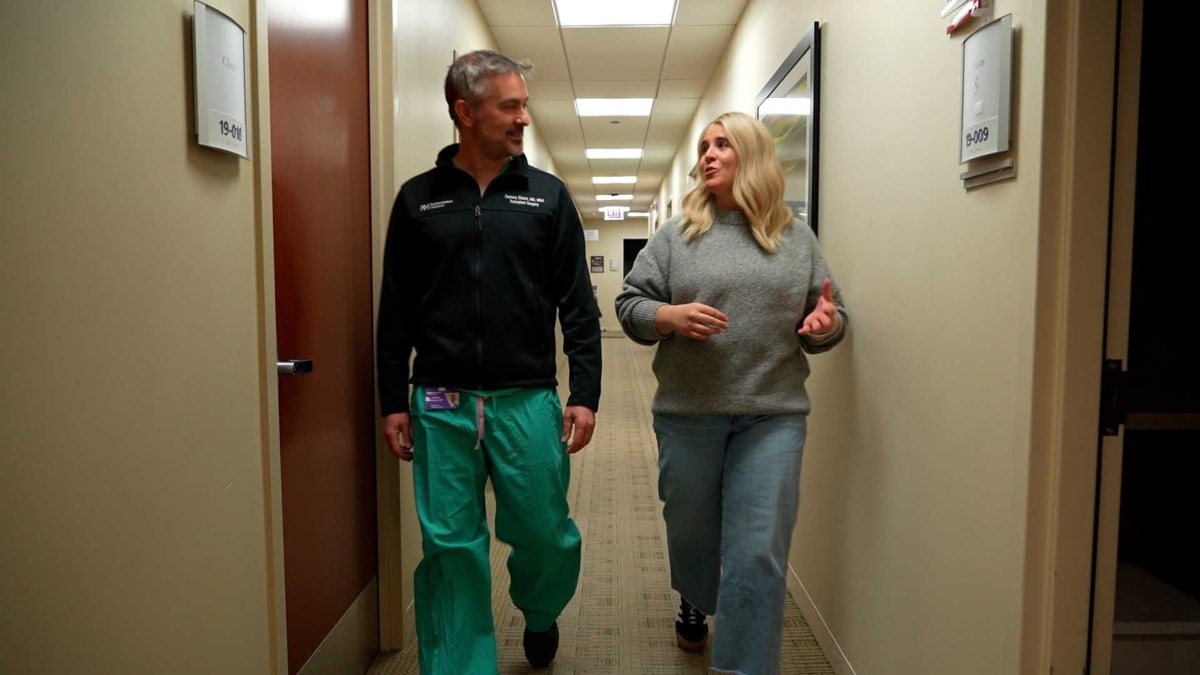
Dr. Zachary Dietch, who treated Piccioli, said traditional treatments offered "very poor chances at long-term survival." The innovative transplant program provided what other options couldn't: a real chance at beating the disease.
The search for a donor ended with an extraordinary act of friendship. Lauren Prior, a 37-year-old Illinois mom of three and close family friend, discovered she was a perfect match.
"It's such a small sacrifice to make that could potentially save someone's life," Prior said. "The impact you can have on someone else is incredible, and it's worth it."
In December 2025, surgeons removed a portion of Prior's liver and transplanted it into Piccioli after removing her cancer-filled organ. Both women recovered successfully from their surgeries.
Why This Inspires
Piccioli's story shines a light on rising colorectal cancer rates among younger Americans. Cases in people under 50 have been climbing in recent years, making her journey particularly relevant for those who might think they're too young to worry about screening.
Her surgeon hopes stories like hers will spread awareness about transplant options for patients facing grim prognoses. For many with advanced colorectal cancer, this treatment represents a lifeline they didn't know existed.
Piccioli now takes anti-rejection medication and requires ongoing monitoring, but she feels "completely back to normal." Her perspective on life has transformed completely.
"It's the worst thing, but for me, it changed my perspective on life so much," she said. "I'm actually grateful that this happened at such an early age that I still have time to change my life and realize what's important."
More Images



Based on reporting by Google News - Health
This story was written by BrightWire based on verified news reports.
Spread the positivity!
Share this good news with someone who needs it