Stage 4 Cancer Survivor Gains 40% Muscle in 12-Week Trial
After beating stage four prostate cancer, John Bradley felt lost and depleted until a groundbreaking Irish rehabilitation program helped him reclaim his strength and mental health. Now researchers are using his success to make cancer aftercare better for everyone.
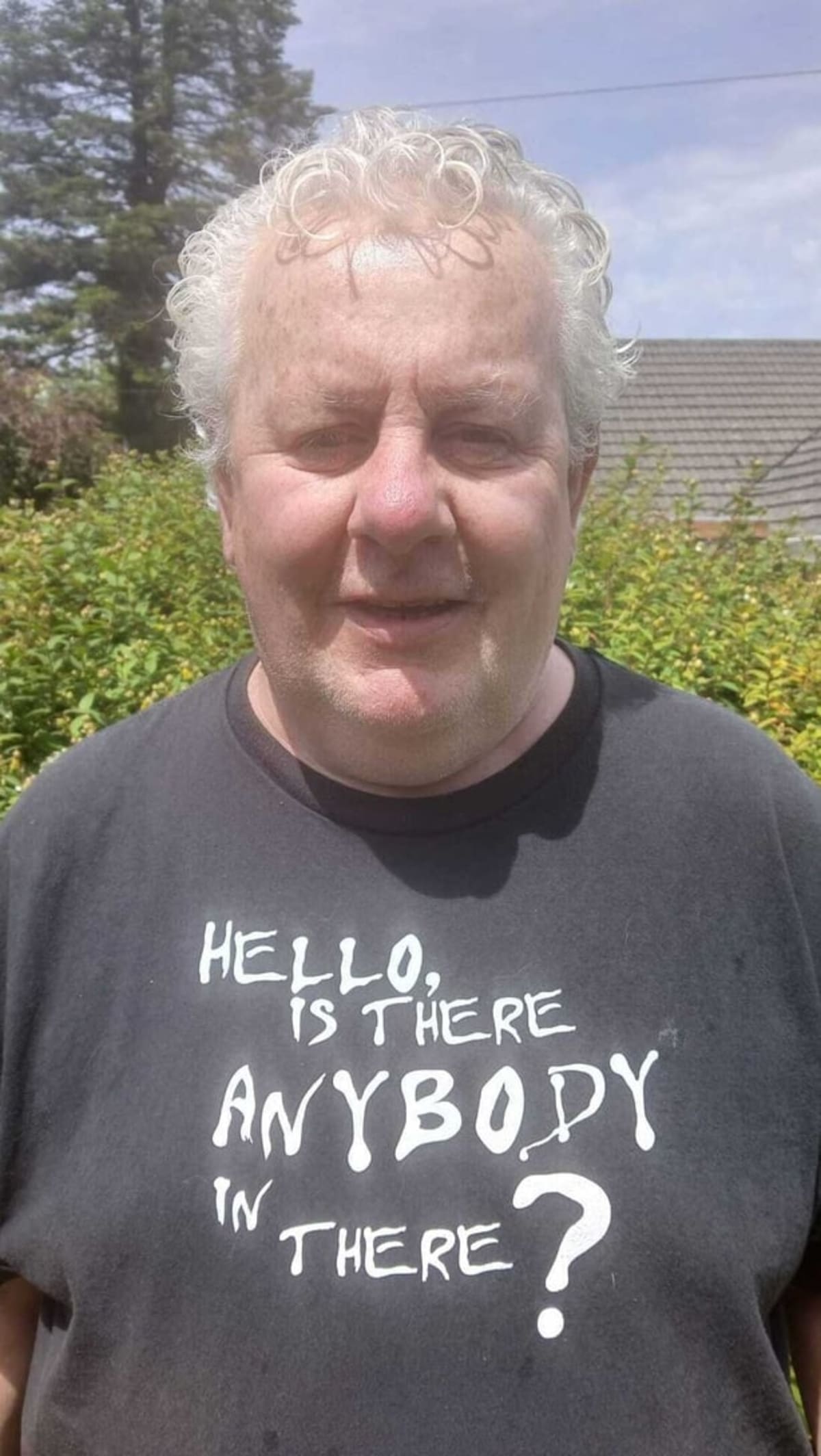
John Bradley thought surviving stage four prostate cancer would be the hard part, but the aftermath nearly broke him.
After 39 sessions of radiotherapy put his cancer into remission in 2022, the 66-year-old from Kanturk, Ireland, found himself alone with crippling side effects. Hormone treatment had destroyed his testosterone, leaving him unable to sleep, concentrate, or even finish a two-minute conversation.
"When all the treatment was finished, you're kind of left to your own devices," Bradley said. "Unknown to you at times, your mental health is taking a battering."
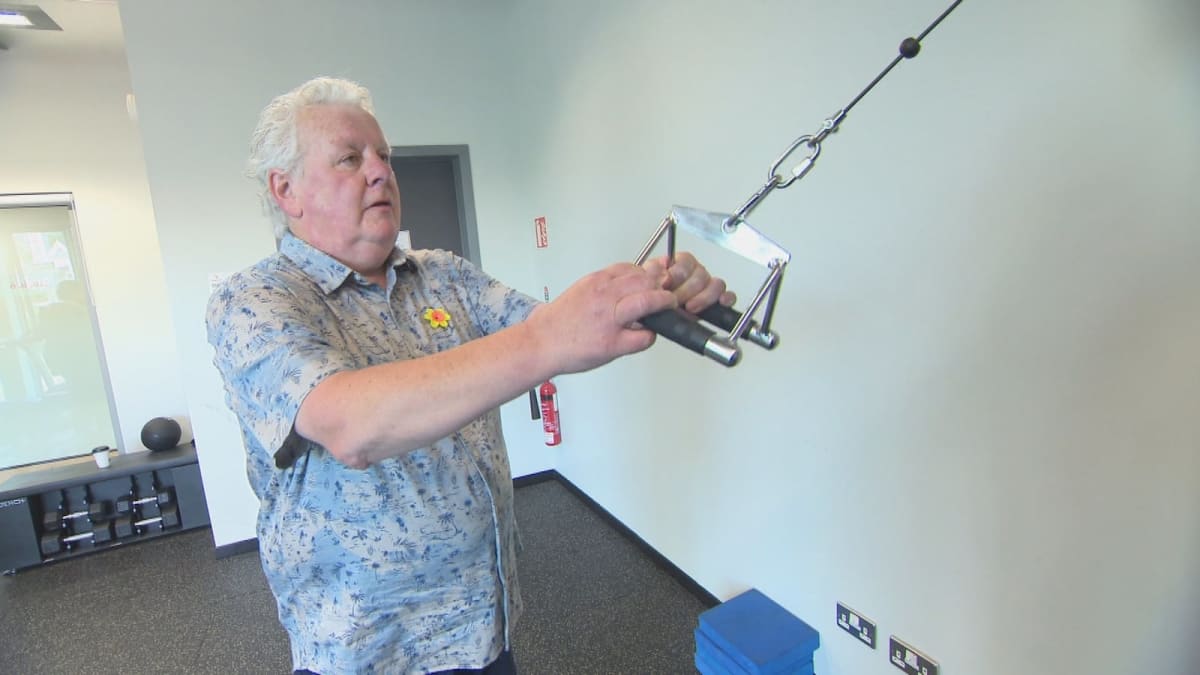
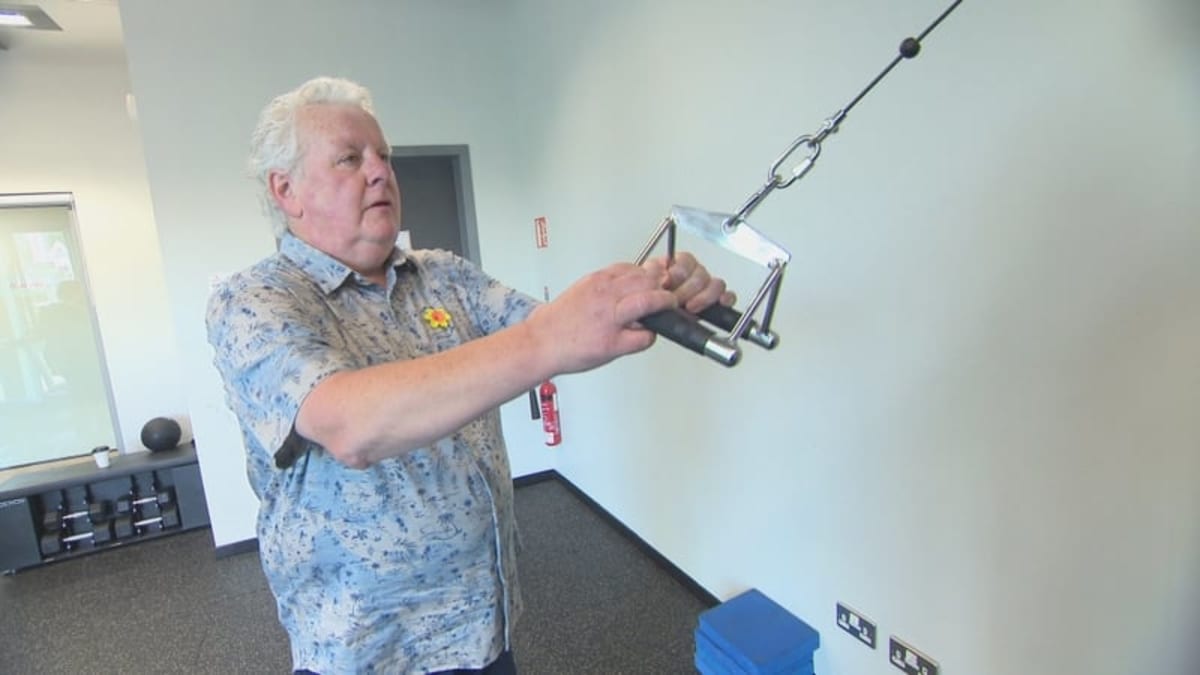
Three months later, his doctor recommended something new: the LIAM Mc Trial, a 12-week cancer rehabilitation program at University College Cork. Twice a week, Bradley joined other men with advanced cancers for specialist physiotherapy, dietetic advice, nursing care, and psychological support.
The results stunned him. Bradley's muscle mass increased by 40% in just 12 weeks. His sleep returned. His concentration sharpened. His confidence came roaring back.
"I'm a different person," Bradley said. "Before LIAM Mc, I was maybe at 50% or 60%, but I'm back up there at 90% now."
The trial enrolled 56 men living with advanced prostate, bladder, and kidney cancers between 2022 and 2024. Researchers at Cancer Research UCC, funded by €300,000 from the Irish Cancer Society, saw overwhelmingly positive responses across the board.
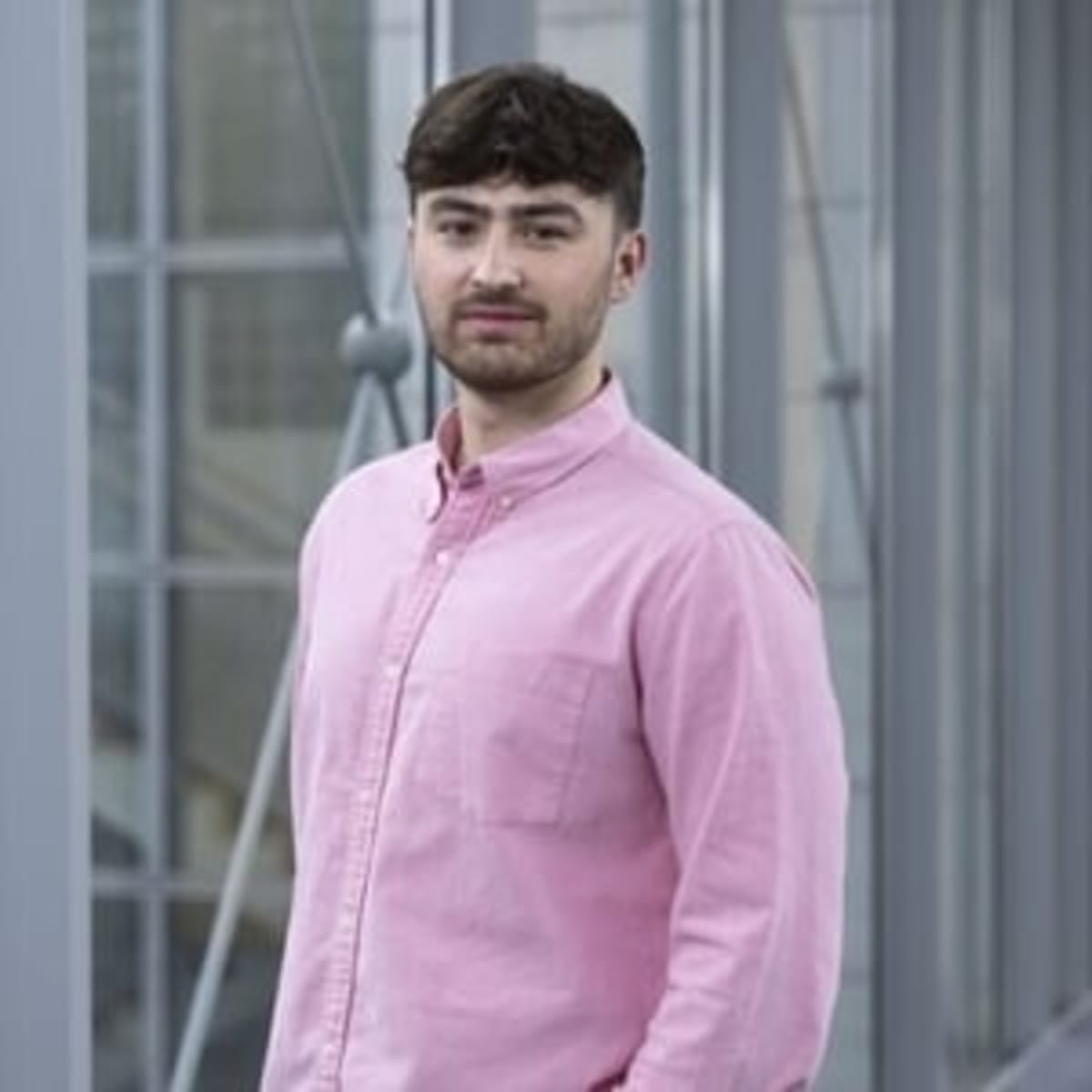
Associate Professor Jack Gleeson, who co-leads the trial, says participants thrived in the small group setting. They gained strength, confidence, and something equally powerful: peer support from men facing similar battles.
The Ripple Effect
The Irish Cancer Society just invested another €100,000 to analyze the trial's full impact and gather long-term follow-up data. The goal isn't just to help 56 men. It's to transform cancer care across Ireland.
Gleeson and his team are working with Ireland's National Cancer Control Programme and Health Service Executive to make supportive rehabilitation a routine part of cancer aftercare, addressing what he calls an "important gap" in current care. Of the 124 men approached for the program, only 56 could participate. The renewed funding will help researchers understand how to make it accessible to everyone who needs it.
A year into remission, Bradley now swims and goes to the gym regularly. He's living proof that cancer survivorship doesn't have to mean just surviving.
"Get active. Build up your strength. And everything else will follow," Bradley said. "I would hate to think where I'd be today without LIAM Mc."
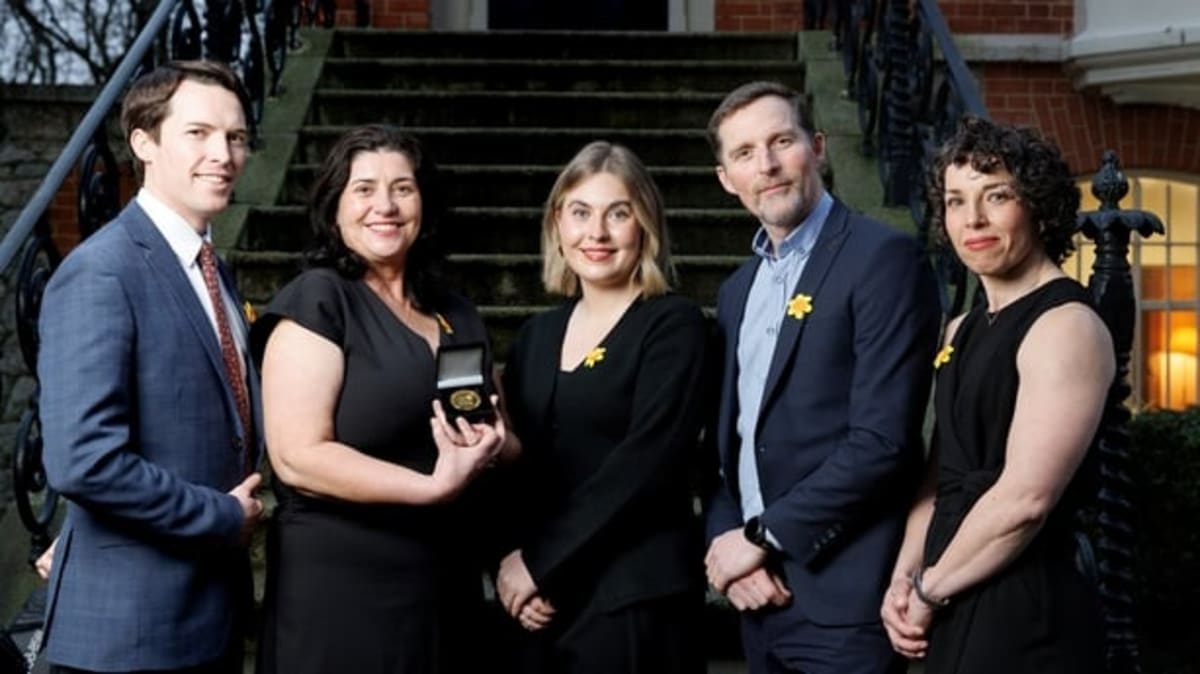
Dr. Claire Kilty, Head of Research at the Irish Cancer Society, says the trial demonstrates how research can improve not just survival rates, but quality of life beyond cancer. What started as a trial for 56 men could soon become standard care for thousands.
More Images
Based on reporting by Google News - Cancer Survivor
This story was written by BrightWire based on verified news reports.
Spread the positivity!
Share this good news with someone who needs it