Stale Bread Powers Green Chemistry in Edinburgh Lab
Scientists turned E. coli bacteria and leftover naan bread into tiny chemical factories that produce medicines and plastics without fossil fuels. The process could actually remove more carbon than it releases.
What if the solution to greener chemistry was hiding in stale bread and common bacteria all along?
Researchers at the University of Edinburgh's Wallace Lab just cracked a major environmental puzzle. They discovered how to use E. coli bacteria fed with simple sugars or food waste to replace a polluting industrial process that currently relies on coal and natural gas.
The traditional method for making plastics, medicines, and food ingredients releases up to 20 kilograms of greenhouse gases for every kilogram of hydrogen it produces. That's a massive carbon footprint for products we use every day.
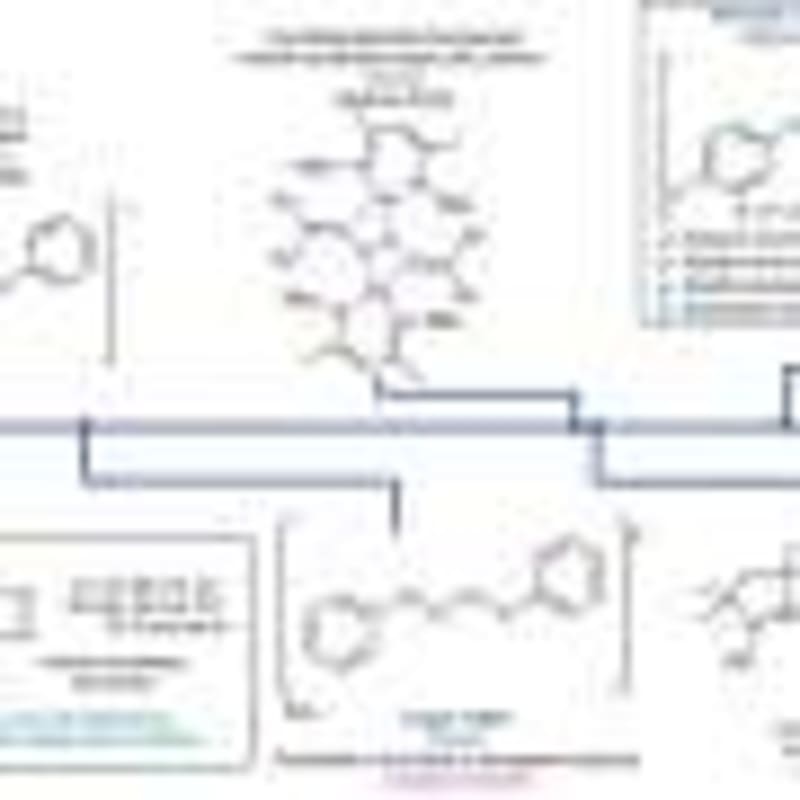
The new system works beautifully simple. Scientists feed bacteria leftover bread or sugar, and the microbes naturally produce hydrogen gas as they break down their food. The team added a palladium catalyst that captures this hydrogen right at the bacterial cell surface and uses it to build valuable chemical compounds.
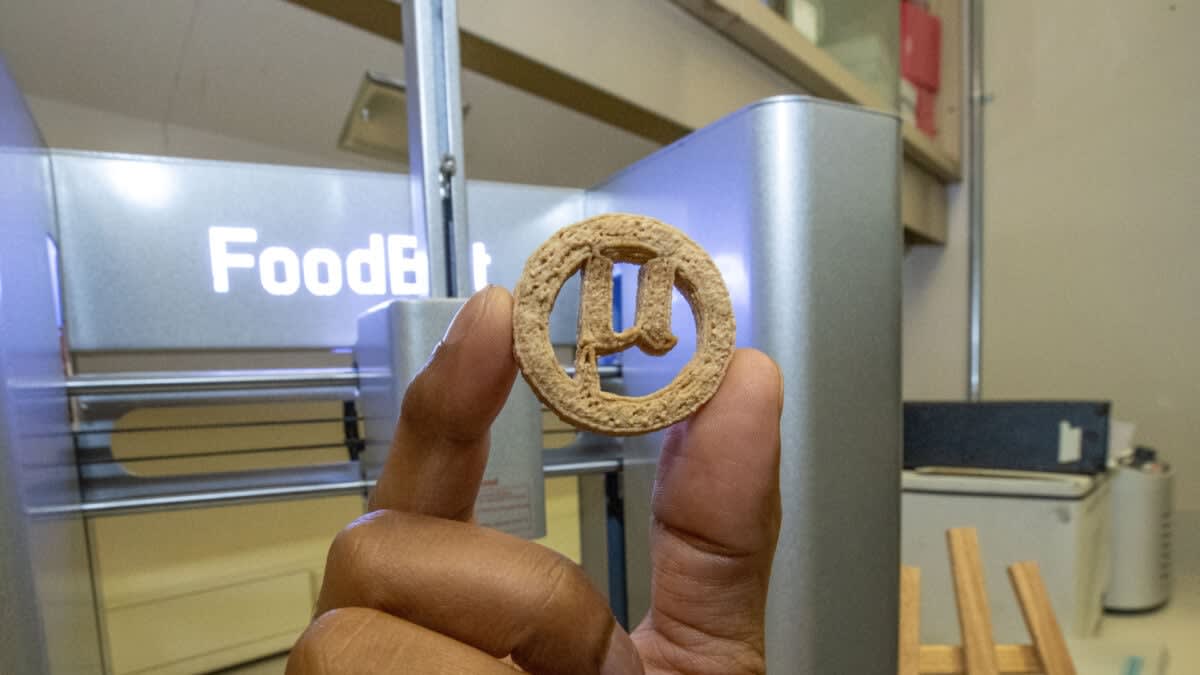
When the researchers tested their system with waste naan bread, the bacteria worked at nearly 99% efficiency. They successfully created adipic acid for nylon, behenic acid for cosmetics and hair conditioners, and raspberry ketone for flavoring.
The environmental impact goes beyond just avoiding pollution. The team conducted a full Life Cycle Assessment and found something remarkable: under some conditions, this system is carbon negative. It actually removes more carbon from the atmosphere than it releases.
The Ripple Effect
This breakthrough could transform how the entire chemical industry operates. Because the process runs on food waste and works at normal temperatures, it offers manufacturers a practical path away from fossil fuel dependency.
The technology published in Nature Chemistry opens doors for creating high value products from materials we'd otherwise throw away. Factories could turn their local food waste into ingredients for products ranging from perfumes to medicines.
Most inspiring is the elegant simplicity of the solution. Instead of inventing complex new processes, the scientists harnessed what bacteria do naturally and gave them waste to work with.
A future where trash becomes treasure might be closer than we think.
More Images
Based on reporting by Phys.org
This story was written by BrightWire based on verified news reports.
Spread the positivity!
Share this good news with someone who needs it