Stand on One Leg for 10 Seconds to Boost Brain Health
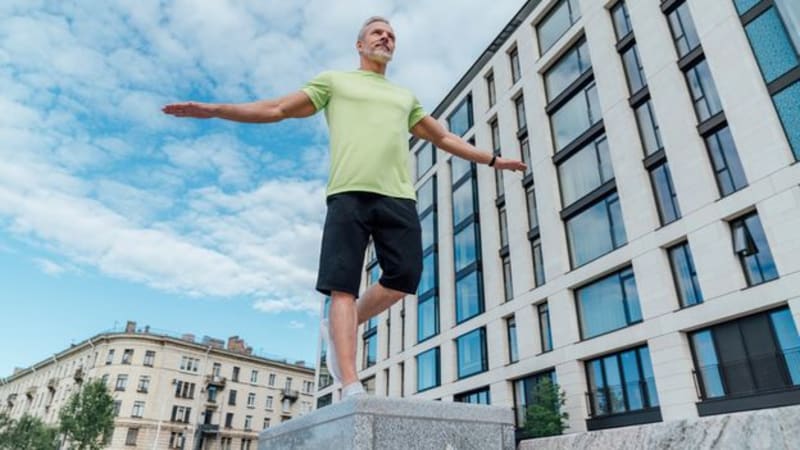
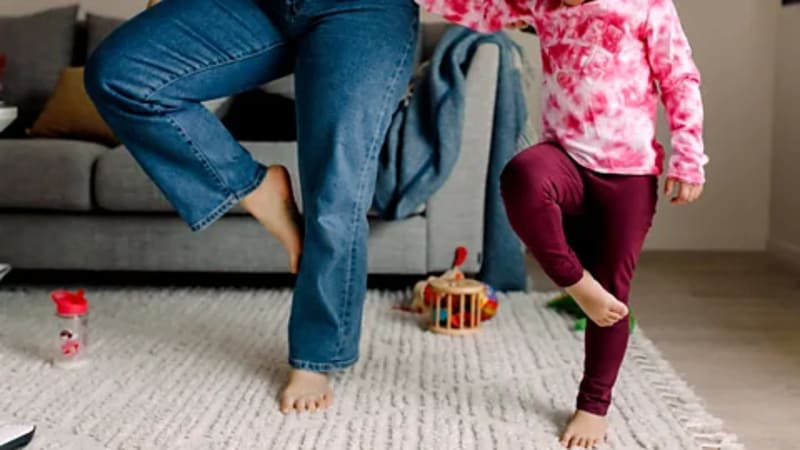
Scientists discovered that balancing on one leg for just 10 seconds can reveal surprising details about your overall health and predict your longevity. Even better, practicing this simple exercise daily can strengthen your muscles, sharpen your memory, and keep your brain healthier as you age.
If you can't stand on one leg for 10 seconds, your body might be telling you something important about how you're aging.
Researchers found that people unable to hold a single-leg balance for 10 seconds in mid-life were 84% more likely to die from any cause over the following seven years. Another study showed those who could only balance for two seconds or less were three times more likely to have died within 13 years compared to people who managed 10 seconds or more.
The good news? This isn't just a test. It's also the treatment.
Tracy Espiritu McKay, a rehabilitation medicine specialist, says training yourself to stand on one leg longer can reduce fall risk, build strength, and improve memory. "These single leg training exercises really improve the balance control and actually change how the brain is structured," she explains.
Our ability to balance peaks in our late 30s before declining with age. By the time we hit 50, that simple flamingo pose becomes surprisingly challenging because we're losing up to 8% of our muscle mass per decade.
But standing on one leg requires more than just strong muscles. Your brain must integrate information from your eyes, inner ear balance system, and nerves that help you sense body position. When you practice balancing, you're essentially giving your brain a workout that keeps these systems sharp.
The balance test proved more informative about disease risk than grip strength or sit-to-stand tests in a study of 2,760 adults in their 50s. Falls caused by poor balance are the leading cause of injuries among Americans over 65, but researchers say regular single-leg exercises can significantly reduce this risk.
Kenton Kaufman, director of the motion analysis laboratory at Mayo Clinic, explains that falls often come down to reaction time. "Imagine you trip over a crack in the sidewalk," he says. "Whether you fall isn't a strength issue, but whether you can move your leg fast enough to where it needs to be."
Why This Inspires
This story reminds us that aging well doesn't require expensive equipment or complicated routines. Standing on one leg while brushing your teeth or waiting for coffee takes zero extra time but delivers outsized benefits. It's preventive medicine hiding in plain sight, accessible to nearly everyone regardless of income or location. The research shows our bodies and brains remain remarkably adaptable, even as we age.
Start today, and you're not just training your balance. You're investing in decades of independence, sharper thinking, and fewer falls.
More Images


Based on reporting by BBC Future
This story was written by BrightWire based on verified news reports.
Spread the positivity! 🌟
Share this good news with someone who needs it