Stand on One Leg for 30 Seconds, Live 61% Longer
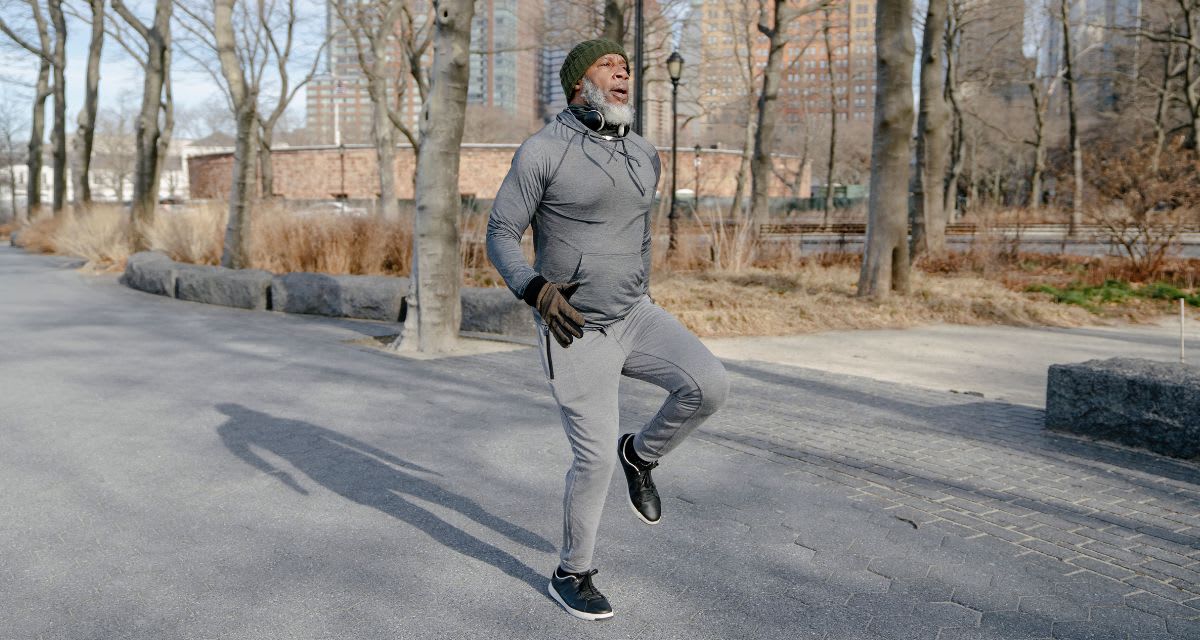
Older adults who could balance on one leg for 30 seconds showed a 61% lower risk of dying over seven years. The secret isn't gym equipment or supplements, just simple movements you can do at home.
Getting older doesn't have to mean drowning in complicated fitness routines and expensive supplements. A study of over 13,000 adults aged 65 and older in Taiwan just revealed something beautifully simple: standing on one leg for 30 seconds could predict whether you'll live significantly longer.
Researchers tracked participants for seven years, testing their balance, strength, endurance, and flexibility using no fancy equipment. Those who scored in the top fifth on these basic tests had a 61% lower risk of dying compared to those in the bottom fifth.
The standout test was deceptively simple. Participants stood on one leg with their eyes open for up to 30 seconds. That's it.
Dr. Bob Baravarian, a foot and ankle surgeon, explains why this matters so much. "Falls are one of the most common end-of-life issues," he told reporters. Good balance and muscle strength connect directly to cardiovascular and cognitive health.
Here's the truly hopeful part: many participants were already living with diabetes, high blood pressure, and other chronic conditions. Perfect health wasn't the requirement. The question was whether they could catch themselves before a stumble, get up from the couch unassisted, or keep their legs steady.
Dr. Jamie Bovay, a physical therapist with Denver's KinetikChain, recommends just five minutes daily of simple movements. Standing heel-to-toe like you're walking a tightrope retrains the small stabilizer muscles that keep you steady on uneven ground. Single-leg reaches where you tap your free foot to different positions mimic the weight shifts that happen when you turn while walking. Walking in a figure-eight pattern challenges your inner ear system to process direction changes smoothly.
These movements don't require a gym membership or athletic prowess. You can do them near your kitchen counter for safety.
The Bright Side
This research flips the script on aging. Instead of treating longer life as something requiring expensive interventions and complex regimens, it celebrates what our bodies can already do. Mobility isn't about being shredded or running marathons. It's about maintaining the functional movements that keep us independent.
The study proves that even with real health challenges, focusing on balance and core strength can help you stay mobile longer. When you stay mobile, you reduce fall risk, maintain independence, and potentially add years of quality life.
Five minutes of intentional movement beats hours of worry about aging perfectly.
More Images



Based on reporting by Upworthy
This story was written by BrightWire based on verified news reports.
Spread the positivity!
Share this good news with someone who needs it