Stanford Creates One Nasal Spray for COVID, Flu, and More
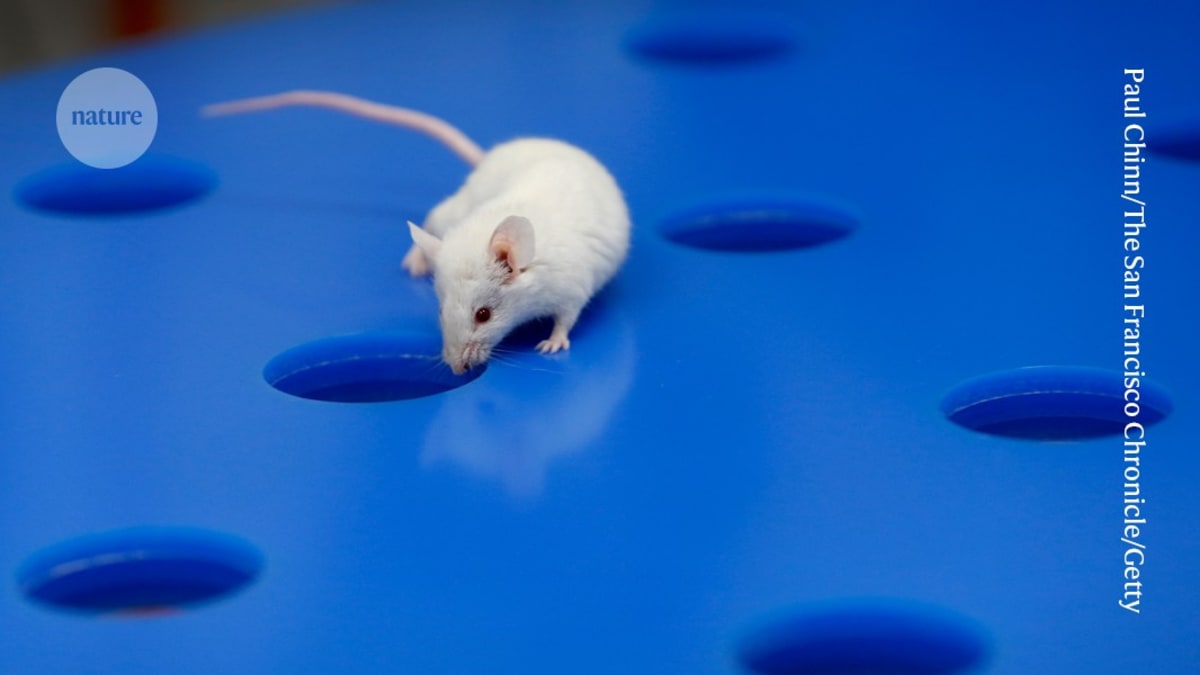
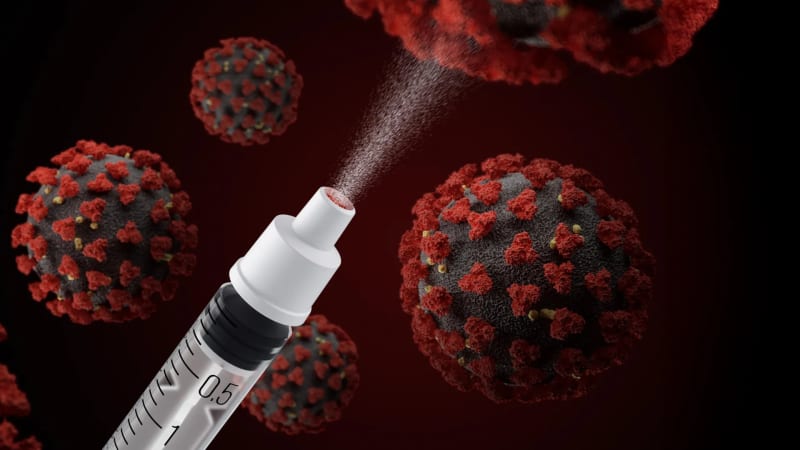
Scientists at Stanford Medicine have developed a revolutionary nasal spray vaccine that protects against multiple respiratory threats at once. In mice, the single spray defended against COVID-19, flu, bacterial pneumonia, and even allergies for months.
Imagine a world where one nasal spray could protect you from COVID, the flu, bacterial infections, and seasonal allergies all at the same time.
Scientists at Stanford Medicine just brought that possibility closer to reality. Their experimental vaccine, tested successfully in mice, represents a completely new approach to fighting disease.
For over 200 years, vaccines have worked the same way: showing your immune system a piece of a specific virus so it can recognize and attack that exact threat later. That's why we need new flu shots every year and updated COVID boosters when viruses change their surface proteins.
This new vaccine throws out that old playbook entirely. Instead of targeting specific germs, it supercharges the body's own frontline defense system in the lungs, keeping it on high alert for months.
The research team, led by Dr. Bali Pulendran, discovered something surprising about how our immune system works. They found that certain T cells in the lungs can send ongoing signals that keep innate immune cells activated far longer than scientists thought possible.
Innate immunity is your body's rapid response team. It attacks threats within minutes but usually fades within days. The adaptive immune system, which produces antibodies, takes longer to activate but remembers threats for years.
This vaccine connects both systems into a coordinated, lasting response. The results published in Science on February 19 showed vaccinated mice were protected against SARS-CoV-2, other coronaviruses, dangerous hospital bacteria like Staphylococcus aureus, and even house dust mites.
The protection lasted for months from a single nasal spray dose. Mice had drastically lower viral levels, avoided severe illness, and even blocked allergic reactions.
Pulendran admits the idea sounded outrageous at first. "Nobody was seriously entertaining that something like this could ever be possible," he said.
The vaccine works by mimicking the communication signals immune cells naturally exchange during infection. By imitating these signals through the nasal spray, researchers essentially taught the lungs to maintain a heightened state of readiness without needing to know what specific threat might appear.
The breakthrough builds on earlier work with the tuberculosis vaccine given to 100 million newborns annually. Studies suggested that vaccine might protect against other infections too, though scientists couldn't explain why until Pulendran's team uncovered the mechanism in 2023.
Why This Inspires
This discovery represents more than just convenience. For people with weakened immune systems, the elderly, and those in high-risk settings like hospitals, a universal vaccine could be lifesaving.
If human trials succeed, we could potentially replace multiple yearly shots with a single nasal spray. Even more exciting, this approach could provide rapid protection against future pandemic viruses we haven't even encountered yet.
The research shows that sometimes the most revolutionary solutions come from questioning assumptions everyone accepted as fact. For 230 years, scientists believed vaccines had to target specific pathogens, but Pulendran's team proved our own immune system might be the universal weapon we've been searching for all along.
Human trials are the crucial next step to determine if this remarkable protection translates from mice to people.
Based on reporting by Google News - Health
This story was written by BrightWire based on verified news reports.
Spread the positivity!
Share this good news with someone who needs it