Stanford Replaces Mouse Brain with Human Cells Successfully
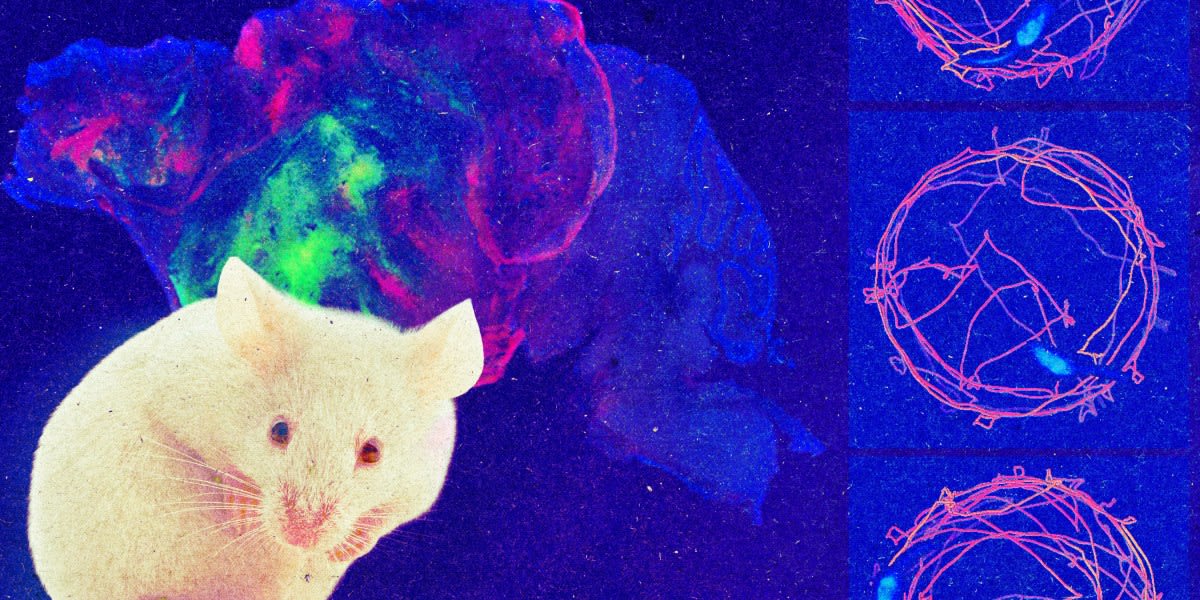
Scientists at Stanford University have successfully replaced large portions of mouse brains with human brain tissue, creating a breakthrough way to study human brain diseases. The mice not only survived but showed better outcomes than mice without cortexes at all.
Scientists just achieved something that sounds like science fiction: they replaced most of a mouse's brain with human cells, and the mice survived and functioned better than expected.
Researchers at Stanford University faced a challenging puzzle. Brain organoids, those tiny patches of human brain tissue grown from stem cells, help scientists study diseases. But these organoids grown in dishes lack the connections and environment of a real working brain.
The team decided to try something bold. They genetically removed most of the cortex, the brain region handling memory and decision making, from developing mice. Then they implanted human brain organoids into that space.
Getting the mice to survive without their natural cortex required creative care. The researchers reduced litter sizes so the mice got more milk, kept them nursing longer, and fed them high calorie food. Nearly all the mice that received this extra care survived.
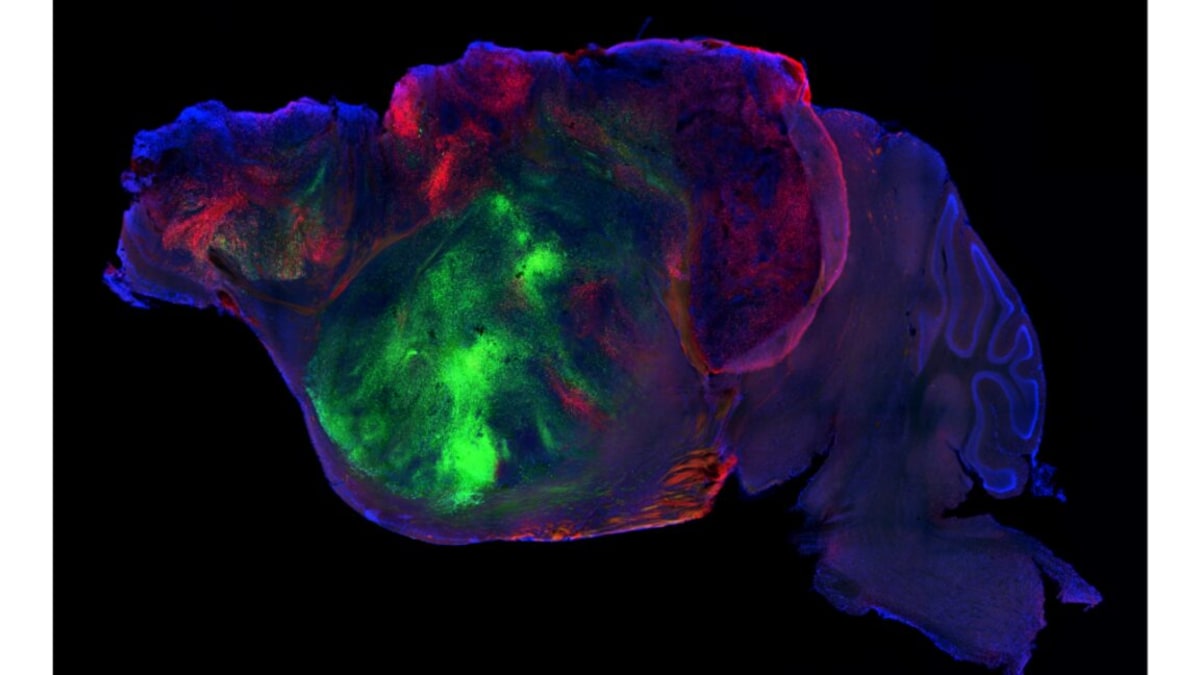
The results amazed the team. Over 85 percent of the implanted human organoids successfully integrated into the mouse brains. The human cells made up 92 percent of what would normally be the mouse cortex, nearly a complete takeover.
Those human brain cells didn't just sit there. They formed all the major neuron types found in a human cortex. Some even created long distance connections, with human cell processes reaching all the way to the spinal cord. The neurons coordinated together, showing synchronized activity patterns.
The structure wasn't perfect. While similar cell types clustered together, they didn't form the distinct organized layers seen in normal brains. Think of it like having all the right instruments in an orchestra but not quite arranged in proper sections.
Why This Inspires
This breakthrough opens new doors for understanding human brain diseases. Conditions like Alzheimer's, autism, and schizophrenia involve complex interactions between different brain regions. Now scientists have a way to study human brain tissue in a living, connected environment rather than isolated in a dish.
The mice with humanized brains showed they were functioning somewhere between normal mice and mice without cortexes. They moved differently, behaved uniquely, and maintained better body weight than the mice missing cortexes entirely. The human tissue was actually working.
This research doesn't just advance our understanding of the brain. It represents a gentler path forward for medical research, potentially reducing the number of animals needed for studies while providing more accurate models of human disease.
The Stanford team has created a living laboratory where human brain cells can grow, connect, and function in ways impossible to study before, bringing us closer to treatments for devastating neurological conditions.
More Images



Based on reporting by Ars Technica Science
This story was written by BrightWire based on verified news reports.
Spread the positivity!
Share this good news with someone who needs it