Stanford Study Shows Ibogaine Reduces Veterans' PTSD
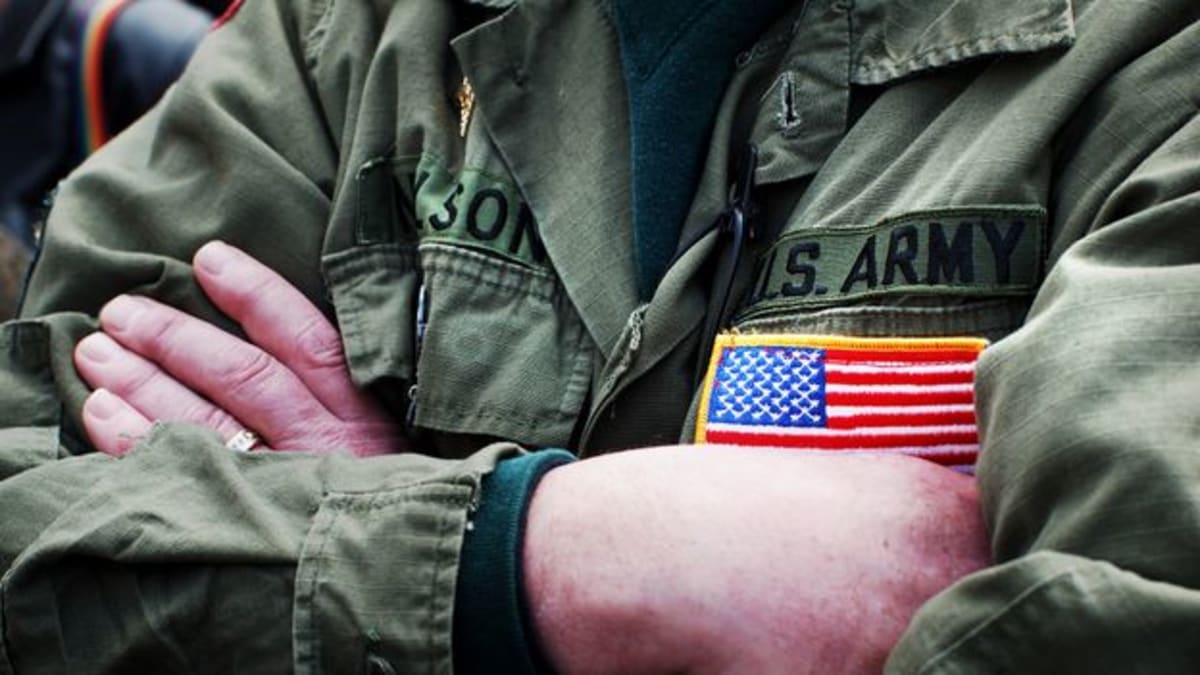
A single treatment with ibogaine, a powerful plant-based compound, helped 30 special forces veterans significantly reduce their PTSD symptoms in a Stanford University study. The promising results offer new hope for military veterans struggling with trauma and mental health challenges.
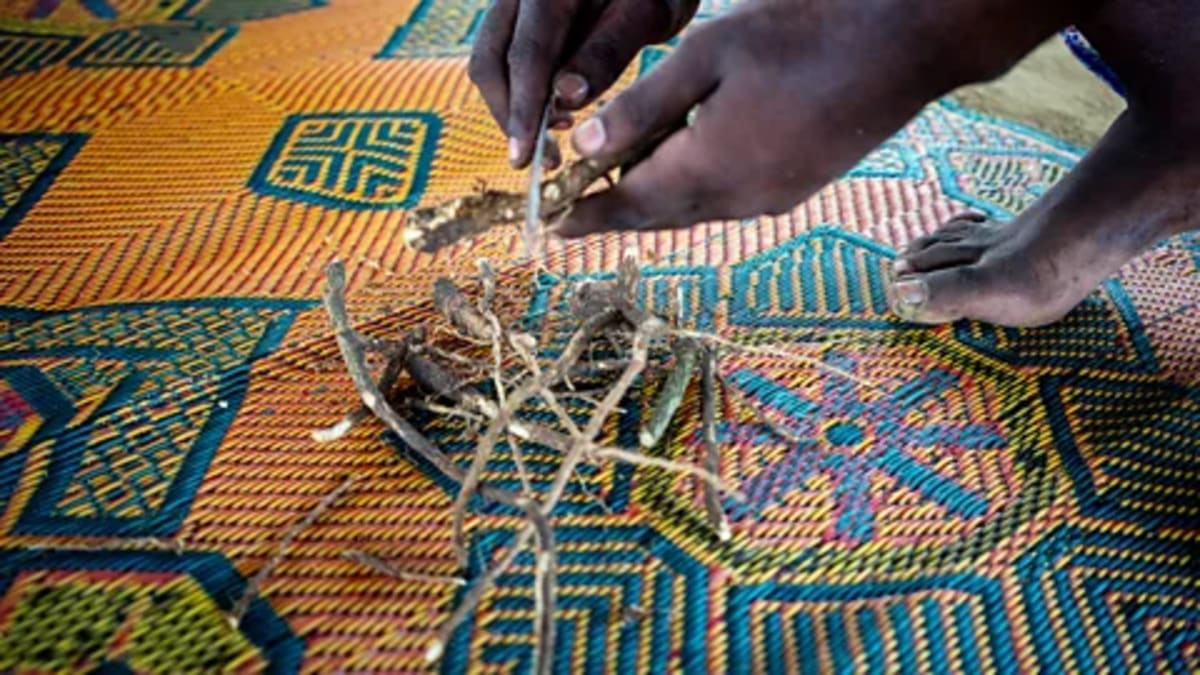
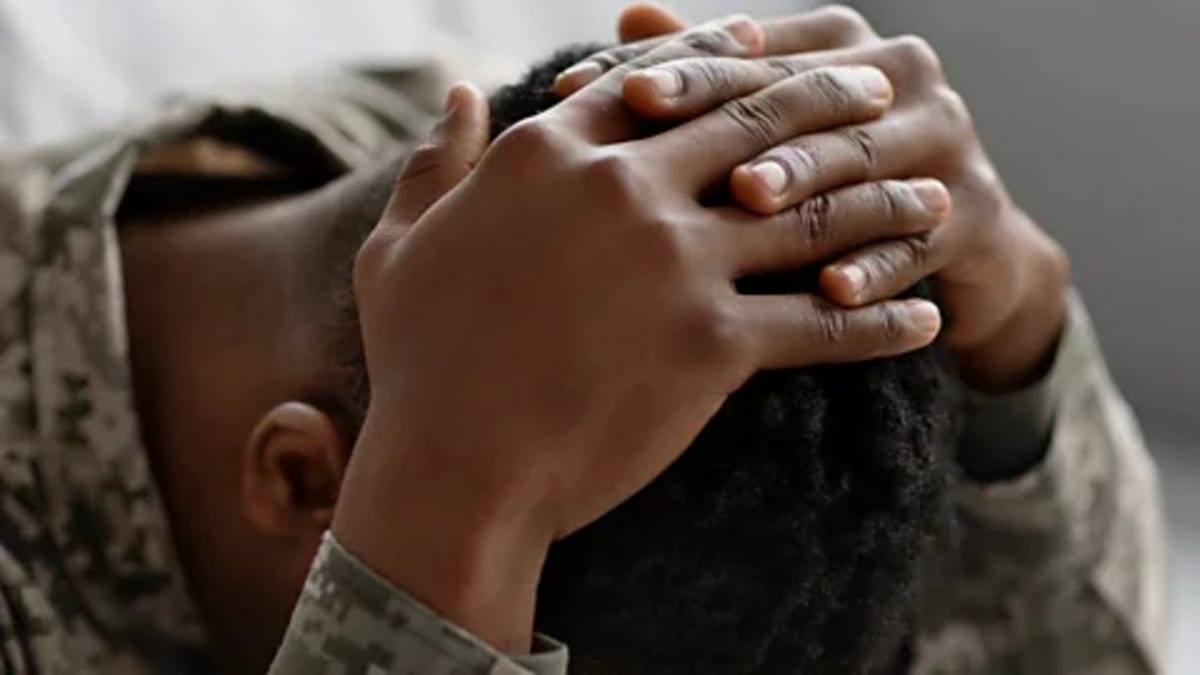
After 21 years in the military left Elias Kfoury with severe PTSD and chronic pain, a single session with an experimental treatment changed his life. The former Navy special operations medic traveled to Mexico to try ibogaine, a powerful compound from an African shrub, as part of a groundbreaking Stanford University study.
Kfoury was among 30 special forces veterans who received ibogaine treatment at a clinic in Tijuana. Under medical supervision, each veteran took ibogaine pills over three hours and experienced intense, dream-like journeys that could last up to 72 hours.
The results stunned researchers. Based on health questionnaires, participants showed dramatic improvements in PTSD, depression, and anxiety. Their overall scores went from "mild-to-moderate disability" to "no-to-mild disability" after just one treatment session.
Scientists discovered something else remarkable. Veterans who had more intense immersive experiences during treatment showed greater improvements in their PTSD symptoms, both immediately and one month later.
Ibogaine has been catching scientists' attention since 1962, when a young heroin addict named Howard Lotsof noticed his withdrawal symptoms vanished after taking it. For 30 years, researchers have studied how it helps people overcome addictions to opioids and cocaine.
"When you see it for the first time, it's like magic," says José Carlos Bouso, a clinical psychologist who has studied psychedelics for three decades. "They take ibogaine and their withdrawal syndrome completely disappears."
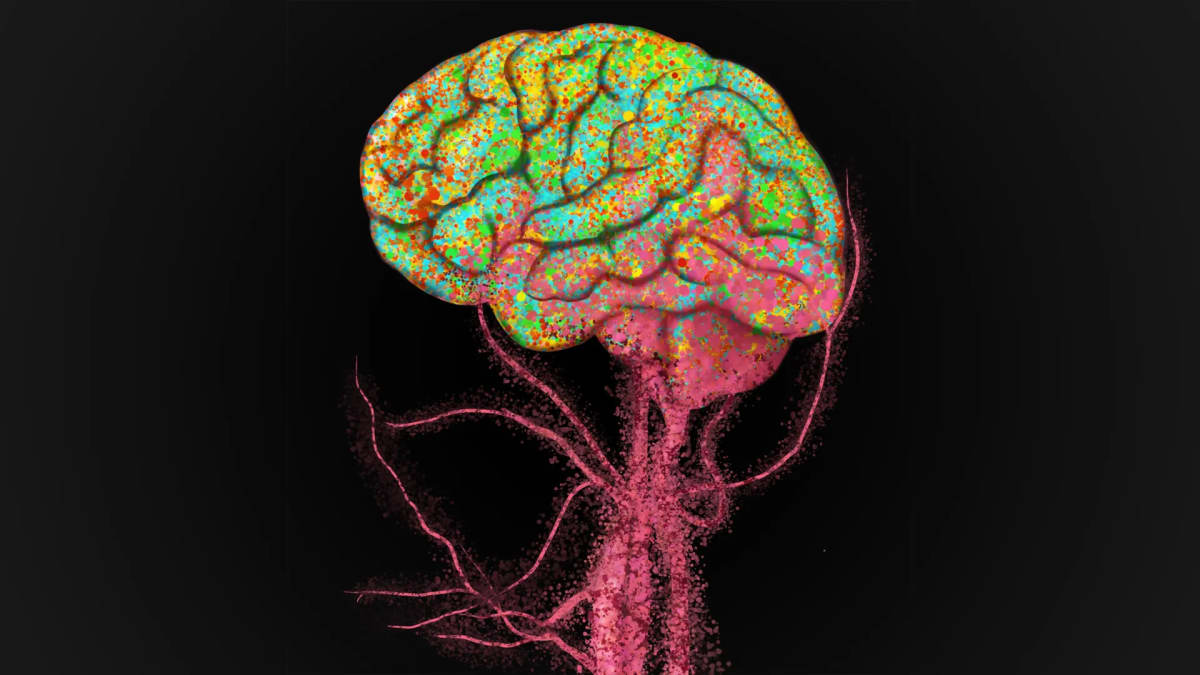
The compound works differently than other psychedelic drugs. Researchers at Stanford's Brain Stimulation Laboratory believe it may help restore protective coating around brain nerve fibers, potentially treating the root physical damage from trauma and addiction.
Currently, ibogaine remains banned in the United States and many other countries due to safety concerns. However, it's unregulated in Mexico, where this research took place under careful medical supervision.
Why This Inspires
For veterans like Kfoury who tried everything from medications to therapy without relief, this research represents genuine hope. After years of declining "further and further into darkness," he found healing when he was close to giving up entirely.
The study shows how important it is to explore new treatment options for people suffering from PTSD and addiction. While scientists still work to understand exactly how ibogaine creates these therapeutic benefits, the early results suggest a potential breakthrough for thousands of veterans and others struggling with trauma.
This research opens doors for people who thought they had run out of options.
More Images
Based on reporting by BBC Future
This story was written by BrightWire based on verified news reports.
Spread the positivity!
Share this good news with someone who needs it