Stanford Teaches AI to Understand Artists' Creative Vision
Stanford researchers are solving one of AI's biggest creative problems: making image generators actually listen to what artists want. New tools give creators real control over their AI collaborators.
Anyone who's asked AI to draw something specific knows the frustration: you want a red house with four windows and ivy on the left side, but the AI delivers something completely different.
Stanford researchers are fixing this creative communication gap. They're teaching AI systems to understand the nuanced ways humans think about visual work, turning unpredictable image generators into genuine creative partners.
"While the models seem amazing, they are terrible collaborators," says Maneesh Agrawala, professor of computer science at Stanford. Creators have no way of knowing what AI will produce from their text prompts, he explains. Ask for a suburban single-family home and you might get a modern duplex instead.
The Stanford team started by studying how people actually work together on creative projects. They analyzed chat logs and sketches from collaborative tasks to understand how humans establish shared creative language with each other.
Professor Judith Fan says this human-first approach matters because not everyone communicates the same way, but people still expect to be understood. That insight is now shaping new AI tools that mirror natural creative workflows.
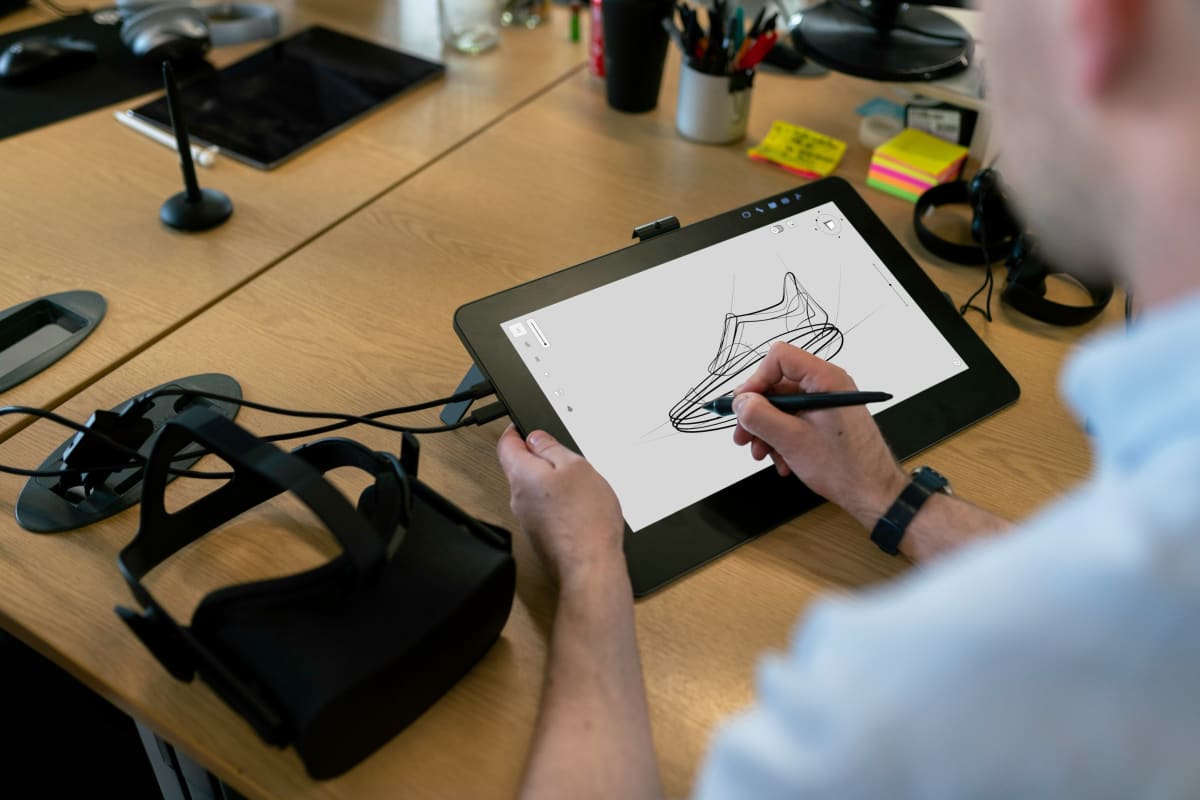
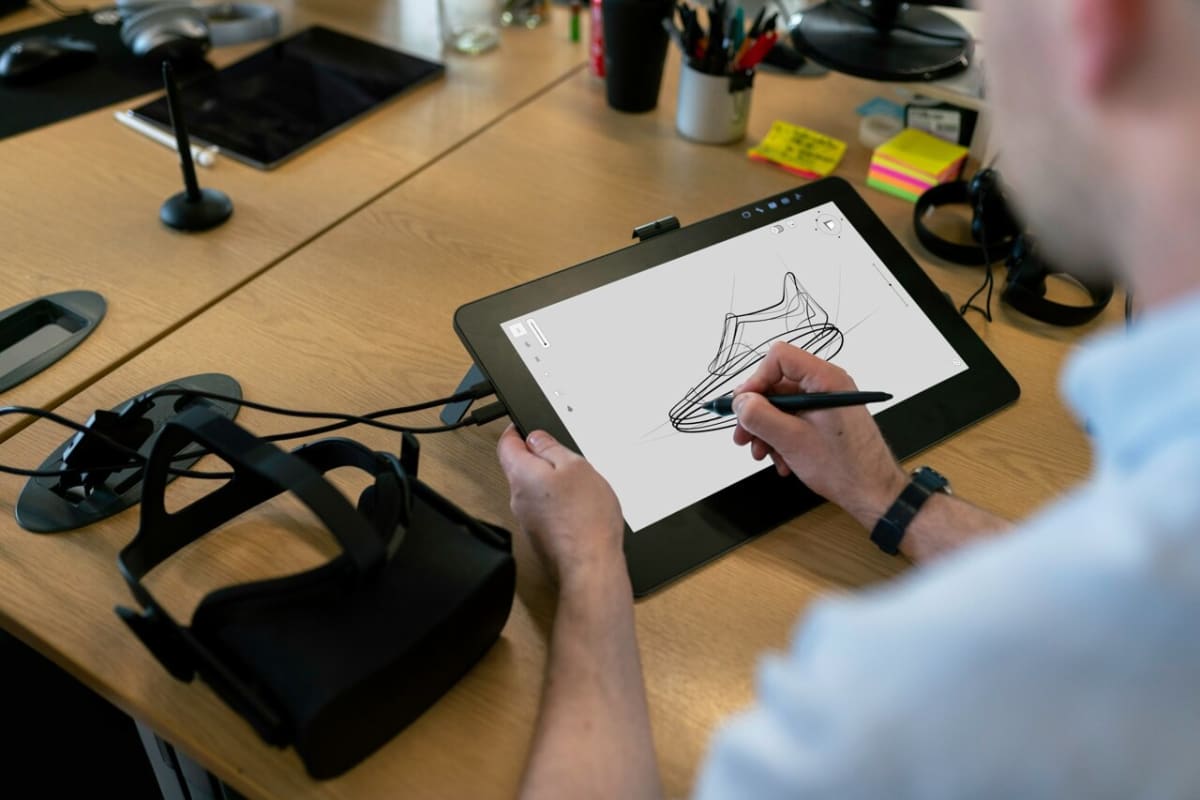
One breakthrough tool called ControlNet separates the creative process into blocking and detailing, just like artists who start with rough sketches before adding fine details. This gives creators precise control over spatial composition and object arrangement, things current AI models struggle with.
Another innovation, FramePack, generates 3D videos from text prompts while prioritizing scenes based on their importance to the overall story. It works the way a human director would approach a project.
The team even developed a visual scene coding language that lets creators inspect and edit the code behind their AI-generated images. This transparency means artists can stay in control and update instructions at any time.
The Ripple Effect
The implications stretch far beyond frustrated artists. The research team is already working with gaming platform Roblox to let players generate unique 3D objects from text while respecting game rules, like preventing weapons in nonviolent games.
The broader vision is even more exciting: enabling creators of all skill levels to express ideas using natural language, example content, code snippets, and other communication methods. Small business owners, hobbyists, and visual experts alike could have friction-free ways to bring their visions to life.
These tools are open-source, meaning the creative community worldwide can access and build upon them. That's a deliberate choice to equip creators with what they need to communicate effectively with AI.
The future of creativity isn't choosing between human artistry and AI automation—it's teaching them to speak the same language.
More Images


Based on reporting by Phys.org - Technology
This story was written by BrightWire based on verified news reports.
Spread the positivity!
Share this good news with someone who needs it