Stanford's 37,000 AI Agents Speed Up Drug Discovery
Stanford researchers created a virtual biotech company powered by 37,000 AI agents that identified which drugs succeed in trials and designed a cancer treatment a major pharmaceutical company independently validated. The system completed in six hours what would take human teams months, offering hope for faster, smarter drug development.
What if thousands of scientists could work together in perfect harmony, analyzing drug data and designing treatments in hours instead of years? Stanford researchers just made it happen with AI.
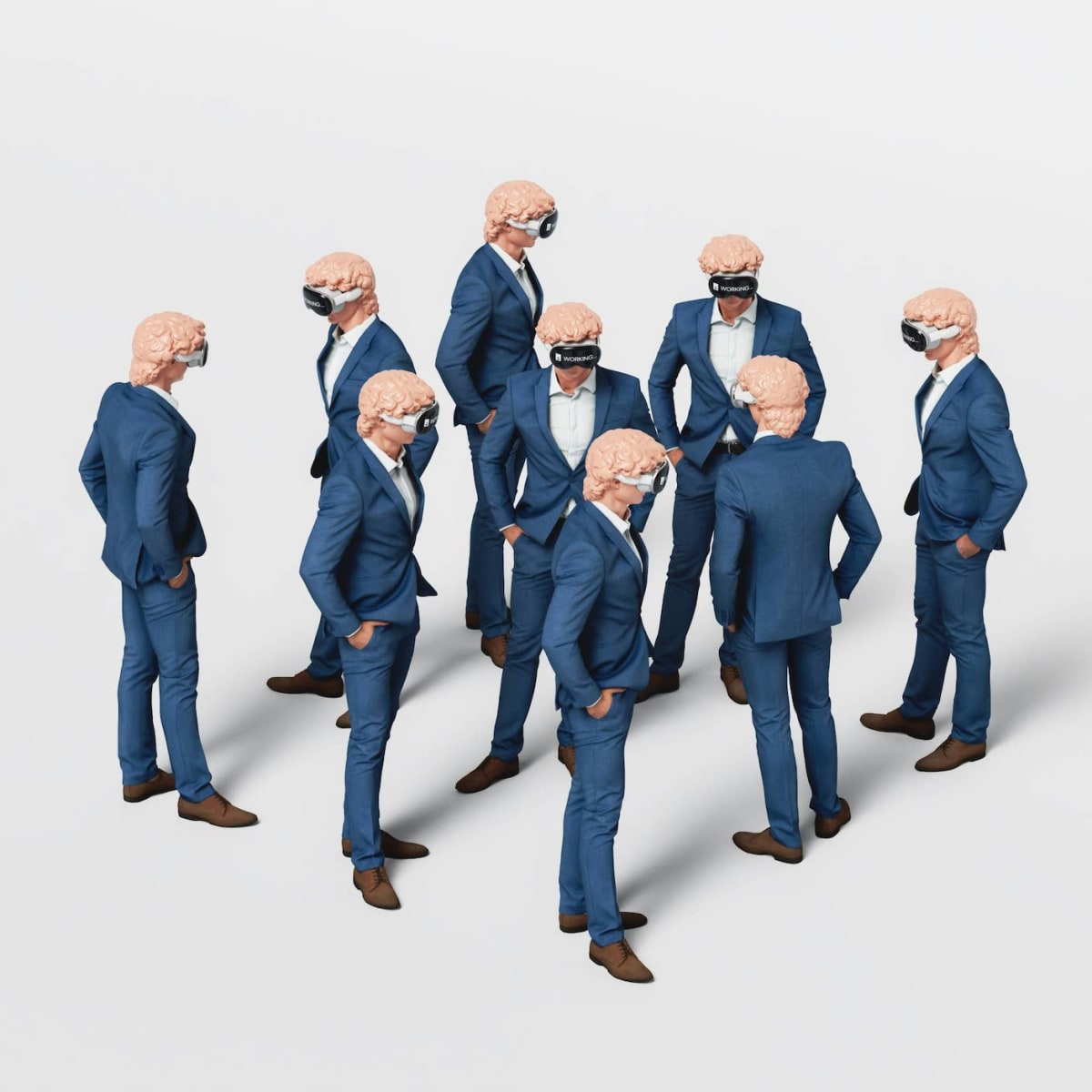
The team built a virtual biotech company staffed by 37,000 AI agents that work like a real drug development firm. Each agent specializes in different tasks, from finding promising drug targets to reviewing clinical trial data, all coordinated by a virtual chief scientific officer.
The system faced a real challenge right away. About 90 percent of drugs entering clinical trials never reach patients, often because early warning signs get missed across scattered research. The AI team decided to fix that problem first.
Given access to 37,075 individual clinical trials, the system assigned one AI agent to each trial. They dug through registries, papers, and press releases to find clear outcomes in just six hours. A human team would need months for the same work.
The agents discovered something crucial. Drugs targeting genes that act like on-off switches in specific cell types were 48 percent more likely to reach the market. They also caused 32 percent fewer dangerous side effects than drugs aimed at broadly active targets.
Then came the real test. Researchers asked the system to evaluate B7-H3, a protein linked to lung cancer. The AI agents found the protein concentrated in connective tissue cells near tumors and discovered those cells were blocking the immune system from fighting cancer.
The virtual biotech proposed tagging B7-H3 cells with antibodies to deliver chemotherapy directly to them. Months later, a major pharmaceutical company independently arrived at the same solution. Their B7-H3-targeted therapy received FDA breakthrough status in August 2025, validating the AI's work.
The Ripple Effect
This breakthrough could transform how quickly promising treatments reach patients who need them. While the AI can't replace years of careful lab testing and clinical trials, it can help companies avoid pursuing dead ends from the start.
With drug development costing hundreds of millions of dollars and taking years per treatment, identifying the most promising targets early saves both time and resources. Those savings mean more attempts at finding cures and potentially lower costs for patients.
The virtual biotech analyzed data across disciplines and formats that no single human team could process alone. By connecting dots between genetics, cell biology, and clinical outcomes, the AI spotted patterns that might otherwise stay hidden for years.
An army of AI scientists working in perfect coordination could help the pharmaceutical industry finally improve its disappointing track record of getting promising science to patients who desperately need it.
More Images

Based on reporting by Singularity Hub
This story was written by BrightWire based on verified news reports.
Spread the positivity!
Share this good news with someone who needs it