Star Wars Artist Shows How AI Can Keep Art's Soul Alive
A visual effects wizard behind Star Wars and a curator who brought Burning Man to the Smithsonian just revealed how technology and human creativity can work together. Their conversation proves that even in an age of algorithms, curiosity remains the most powerful tool.
The artists who brought galaxies to life on screen just proved that technology doesn't have to kill the human touch in art.
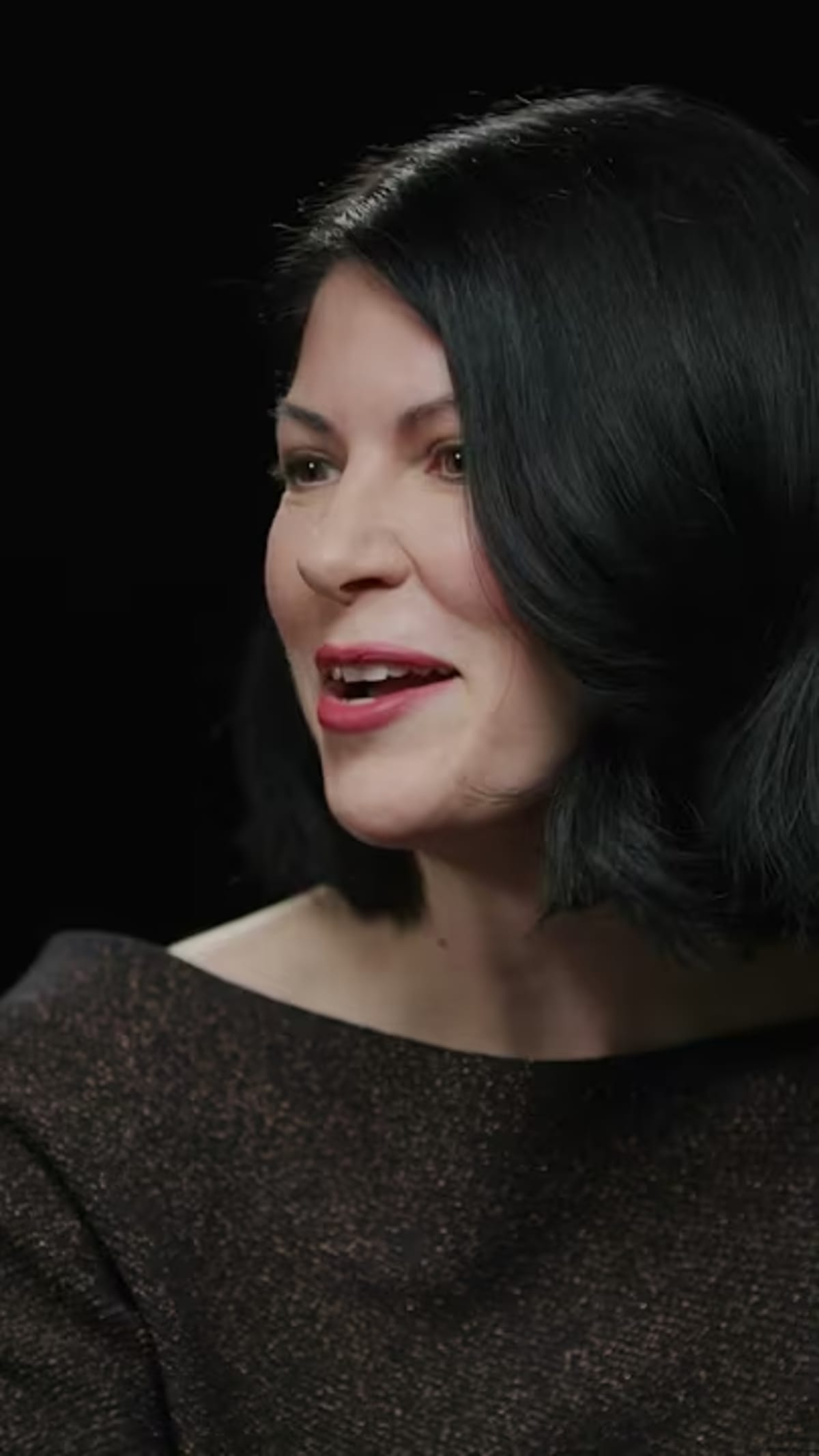
Rob Bredow, the visual effects genius behind recent Star Wars films, sat down with Nora Atkinson, the Smithsonian curator famous for bringing Burning Man's radical art into America's most traditional museum. Their TED conversation tackles the question keeping creators up at night: can AI and cutting-edge technology enhance art without destroying its soul?
Bredow's answer comes from experience, not theory. His team blends stop-motion animation, massive LED walls, and complex algorithms to create worlds that feel real enough to transport millions of viewers. The key, he explains, is treating technology as a tool for curiosity rather than a replacement for imagination.
Atkinson brings a different perspective from her work preserving and presenting Burning Man's ephemeral creations. She witnessed firsthand how artists in the Nevada desert use everything from fire to code to create experiences that move people. The challenge isn't the tools themselves but maintaining the human intention behind them.
The conversation reveals behind-the-scenes stories that illuminate how modern blockbusters get made. Instead of relying solely on green screens, Bredow's team uses LED walls that display realistic environments in real time. Actors can see and react to the worlds around them, bringing genuine emotion to scenes that exist only in computers.
This approach solves a problem that's plagued digital filmmaking for decades. When performers stare at blank green walls, their reactions feel hollow. When they see mountains or starships surrounding them, even if those images are computer-generated, their performances come alive.
Why This Inspires
Both artists prove that innovation doesn't mean abandoning craft. Bredow still values the painstaking detail of stop-motion animation even while pushing the boundaries of digital effects. Atkinson champions radical artistic expression while working within one of America's most established institutions.
Their conversation matters because the anxiety around AI and automation often frames technology as the enemy of human creativity. These two leaders show a different path where algorithms amplify rather than replace artistic vision. The soul of the work stays intact because humans remain curious about what's possible.
The discussions also reveal how cross-pollination between different creative worlds sparks innovation. A museum curator and a blockbuster filmmaker don't just share war stories. They discover common ground in how artists navigate the tension between tradition and experimentation.
What emerges is a roadmap for anyone worried about staying relevant in an age of rapid technological change. The answer isn't to resist new tools but to stay grounded in the curiosity that drives all meaningful creative work. Whether you're sculpting in the desert or rendering starships, the human questions you're asking matter more than the tools you're using to answer them.
The pairing of these two voices feels particularly timely as AI image generators and language models reshape creative industries. Rather than doom-scrolling through predictions of obsolescence, creators can look to examples of people already doing the hard work of integration.
Bredow's Star Wars work demonstrates that even in one of the most commercially driven corners of entertainment, there's room for experimentation and soul. Atkinson's success bringing counterculture art into the Smithsonian proves that institutions can evolve without losing their purpose.
Their message resonates beyond the art world too. In every field, people face the same challenge of adapting to new tools while maintaining what makes their work meaningful. The galaxy far, far away runs on curiosity because the people creating it refuse to let technology answer questions they haven't asked yet.
Based on reporting by TED
This story was written by BrightWire based on verified news reports.
Spread the positivity!
Share this good news with someone who needs it