Startup Builds Reusable Spacecraft in Just 15 Months
A tiny startup with only 12 employees just built a 200-kilogram spacecraft that can bring experiments back from space and fly again. Reditus Space is proving that the future of space research doesn't have to take years or cost millions.
A scrappy startup called Reditus Space just completed something most space companies take years to accomplish: building a fully reusable spacecraft with just a dozen people in 15 months.
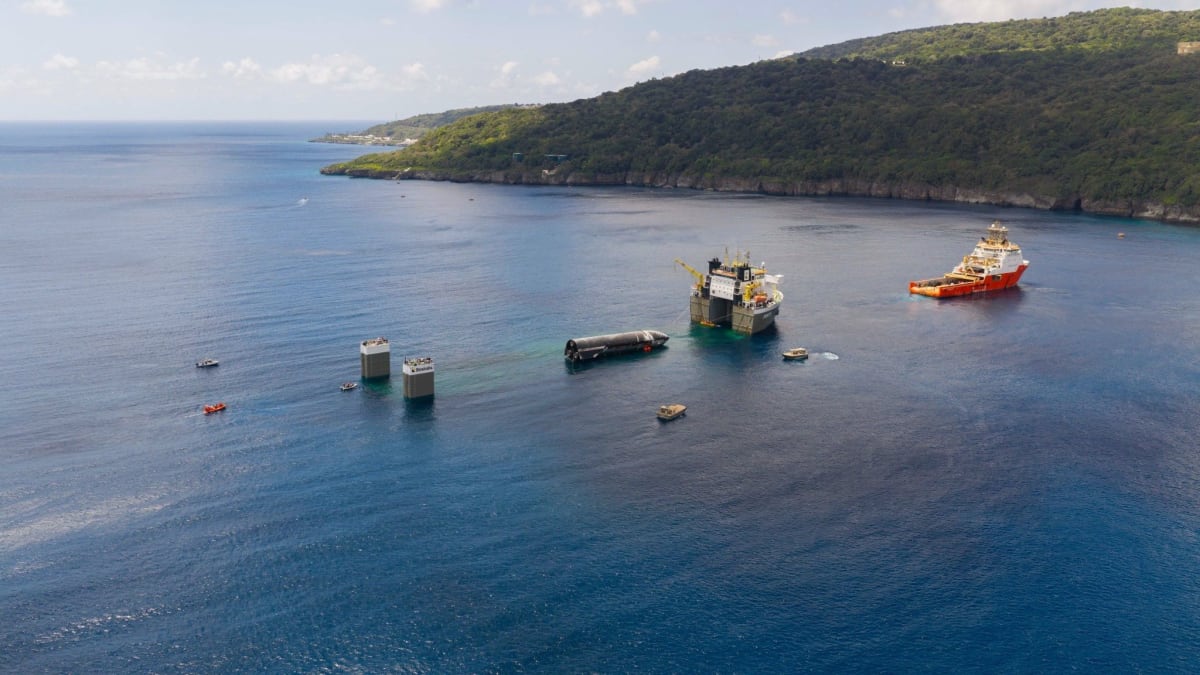
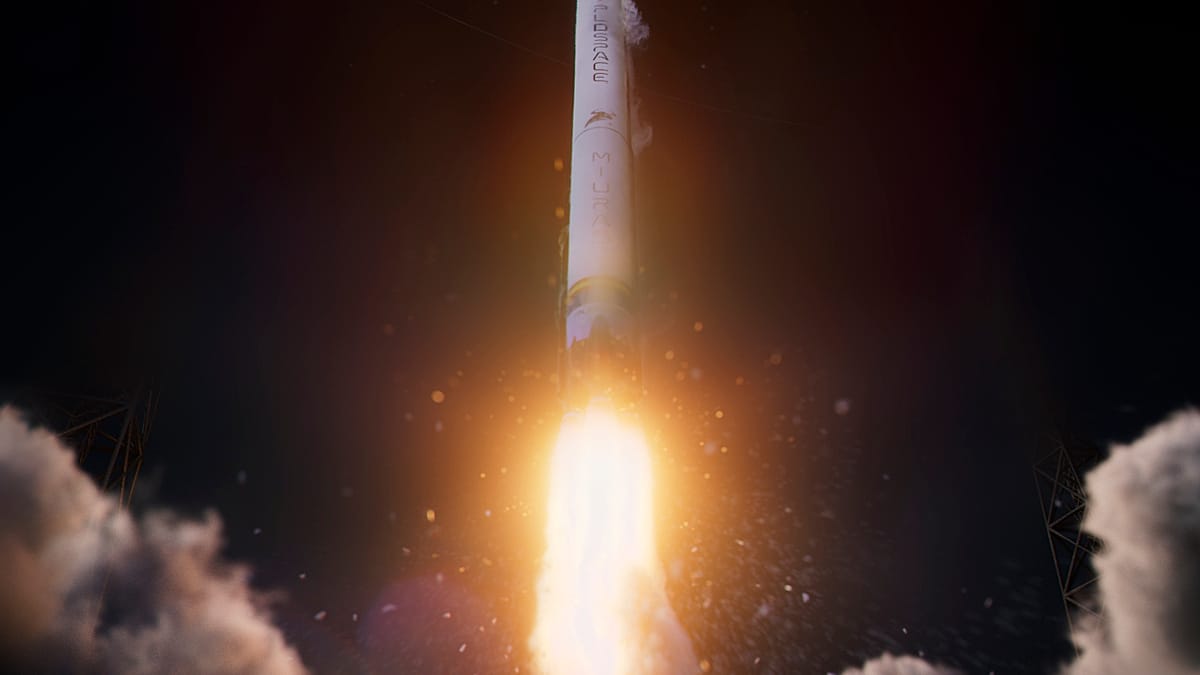
The company announced it finished assembling ENOS, a 200-kilogram vehicle that will launch later this year on a SpaceX rocket. After spending two months in orbit, it will splash down off Florida's coast carrying precious research cargo.
What makes ENOS special is that more than 80% of its mass comes back to Earth ready to fly again. Traditional reentry missions use a big satellite with a tiny return capsule attached. This unified approach means ENOS can carry about 60 kilograms of payload, making it far more efficient than older designs.
CEO Stef Crum says the real magic is in what this enables. Pharmaceutical companies and advanced materials manufacturers are already lining up to use the vehicle. Scientists developing semiconductors and testing hypersonic technologies see new possibilities opening up.
The team solved one particularly tricky puzzle: keeping heat out during the fiery reentry while letting the spacecraft cool down in orbit. Crum calls it "simultaneously very fun and frustrating." They developed a proprietary material called RHEA with NASA's support to crack the problem.
Right now, ENOS uses a "backpack" with solar panels and radiators that gets jettisoned before reentry. Future versions will shrink that backpack until it disappears entirely, making the whole system recoverable.
The company built all this on just $7.1 million in seed funding raised last December. Crum credits bringing together exactly the right small team of people who could move fast.
Why This Inspires
When SpaceX launched its own competing reentry vehicle called Starfall in June, some worried it would crush smaller players. Instead, Crum sees it as validation that opens doors for everyone. Having a giant like SpaceX invest in reentry infrastructure creates opportunities the whole industry can use.
This first mission carries paying customers alongside its technology tests. As Reditus Space prepares to scale up production and hiring, they're proving that space innovation doesn't require massive budgets or huge teams.
Sometimes the most exciting progress comes from small groups willing to dream big and move fast.
More Images


Based on reporting by SpaceNews
This story was written by BrightWire based on verified news reports.
Spread the positivity!
Share this good news with someone who needs it