China Catches Rocket Booster in Net After Orbital Launch
China just became the second country to recover a rocket booster after sending a satellite to orbit, using an innovative net-capture system that could revolutionize space access. The Friday launch marks a major milestone in making space travel more affordable and sustainable.
China made history on Friday by successfully catching a rocket booster in a giant net after an orbital mission, joining an elite club of nations developing reusable space technology.
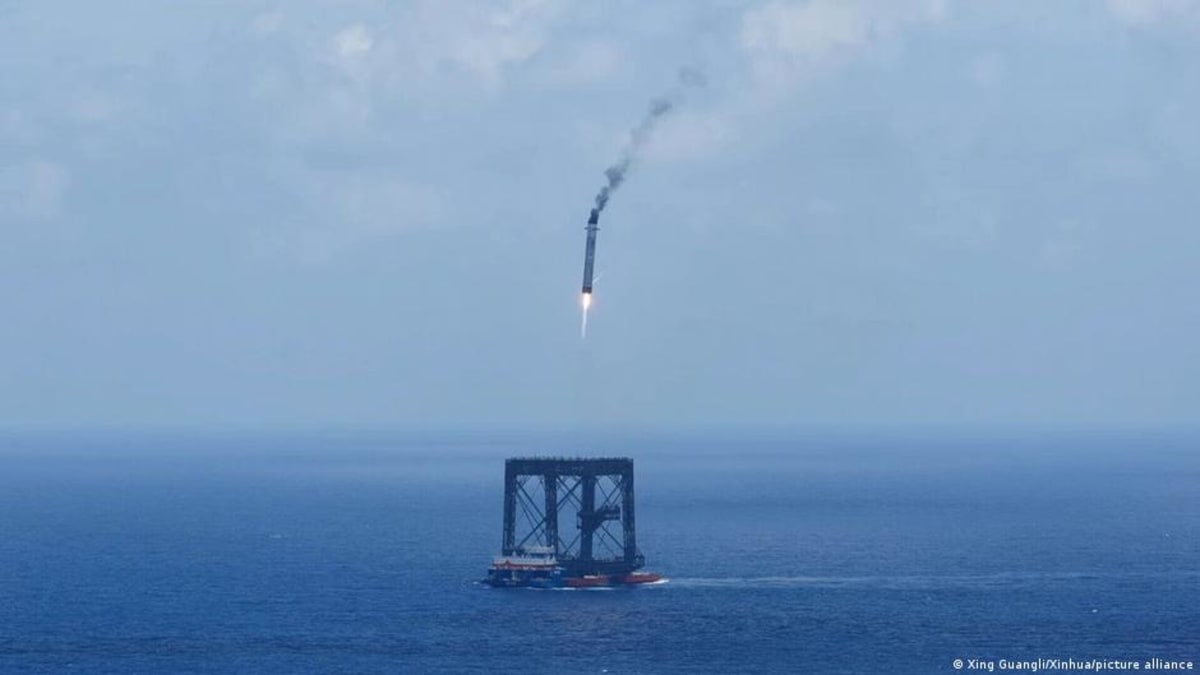
The Long March 10B lifted off from Hainan's commercial space launch site at 12:15 p.m., delivered a satellite to orbit, and then did something remarkable. Six minutes after separating from the rocket's upper stage, the massive booster descended vertically toward an offshore platform where a suspended net caught it using four hooks.
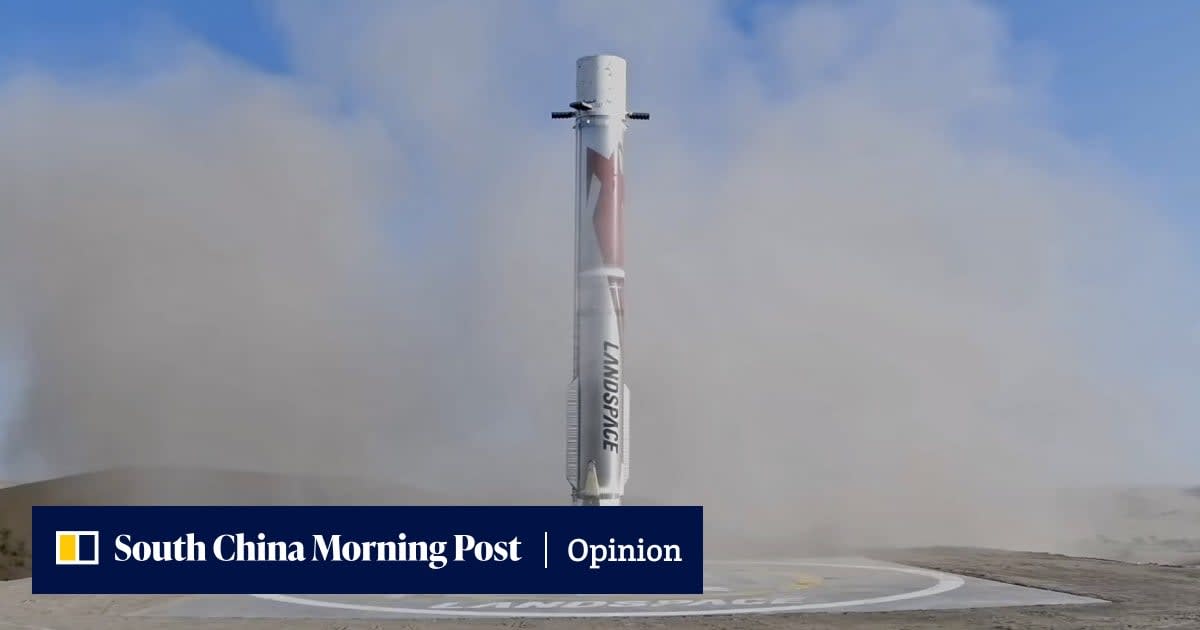
This wasn't just a copycat moment. While American companies like SpaceX and Blue Origin land their rockets on deployable legs, China's engineers took a different approach that might actually be smarter.
"The net system simplifies the rocket's onboard structure, reduces its weight and could increase payload capacity," explained Chen Muye, an expert at the China Academy of Launch Vehicle Technology. The coordinated net can also adapt to landing deviations, making catches more forgiving than pinpoint landings.
The breakthrough comes after nearly a decade of development and several failed attempts by both private and state-owned companies last year. Persistence paid off in a big way.
The Ripple Effect
This success sends waves far beyond one successful catch. The technology will help China's rapidly expanding commercial satellite networks by dramatically cutting launch costs, the same way reusable rockets transformed SpaceX's business model.
The Long March 10B can carry at least 16 metric tons to low-Earth orbit and will contribute data to China's planned crewed lunar missions before 2030. What started as one test could help put humans back on the Moon.
Investors immediately recognized the significance. Shares in Chinese aerospace companies surged after the test, with China Spacesat and China Satellite Communications hitting their daily trading limits.
The commercial space race just got more competitive. SpaceX has been launching its Falcon 9 around 150 times annually since first landing a booster in 2015, frequently reusing individual boosters dozens of times. Now China has proven it can play the same game with its own innovative twist.
Making rockets reusable instead of throwing them away after one flight is like the difference between owning a car and buying a new one for every trip. As more nations master this technology, space becomes accessible to more people for more purposes.
More Images

Based on reporting by DW News
This story was written by BrightWire based on verified news reports.
Spread the positivity!
Share this good news with someone who needs it