Startup Builds Tiny Robotaxi Pit Stops to Cut Empty Miles
A California startup is solving robotaxis' wasted travel problem with parking-space-sized service pods that clean, charge, and inspect self-driving cars right where riders need them. The mini pit stops could keep more robotaxis on the road earning fares instead of driving empty across town.
Robotaxis currently waste hours driving empty across cities just to get cleaned and charged at faraway depots. Now a smart solution is bringing the service station to them.
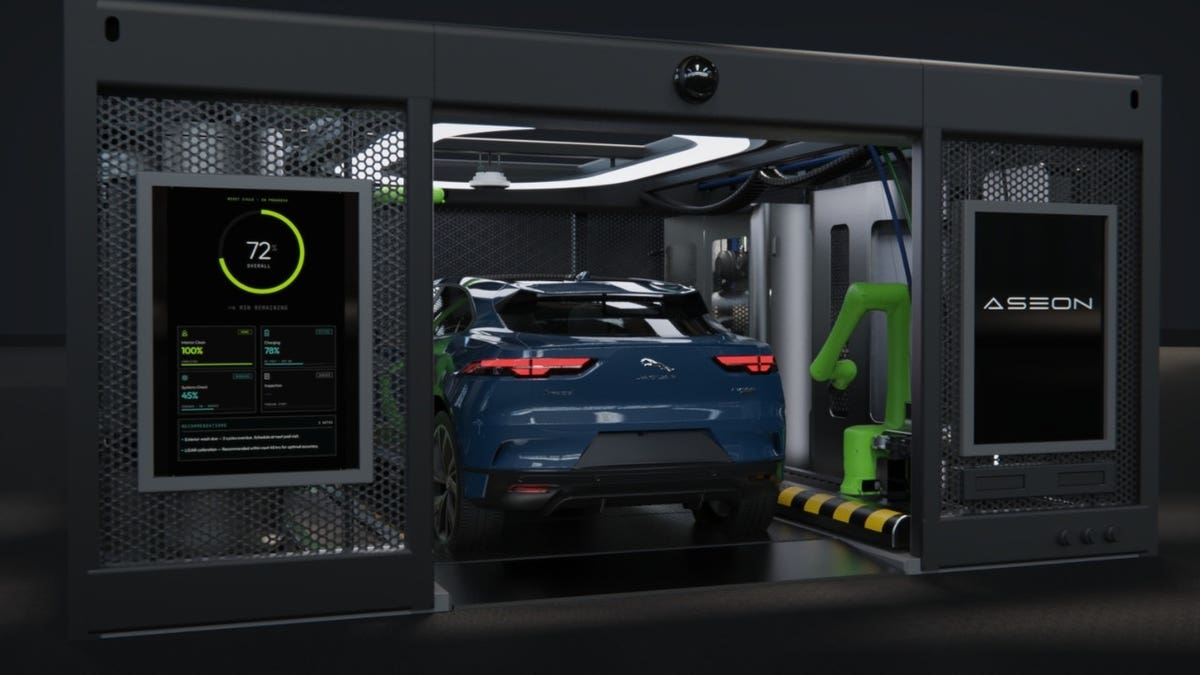
Redwood City startup Aseon Labs created automated "reset pods" the size of a single parking space that can clean, charge, and inspect driverless cars between rides. The company designed these mini pit stops to sit near busy areas where robotaxis actually pick up passengers, potentially cutting wasted trips by up to 15 times.
The problem Aseon is solving is expensive. Robotaxi companies often place their service depots outside city centers where real estate costs less. That means vehicles travel 10 to 15 miles each way for routine maintenance, burning time and power without earning a dime.
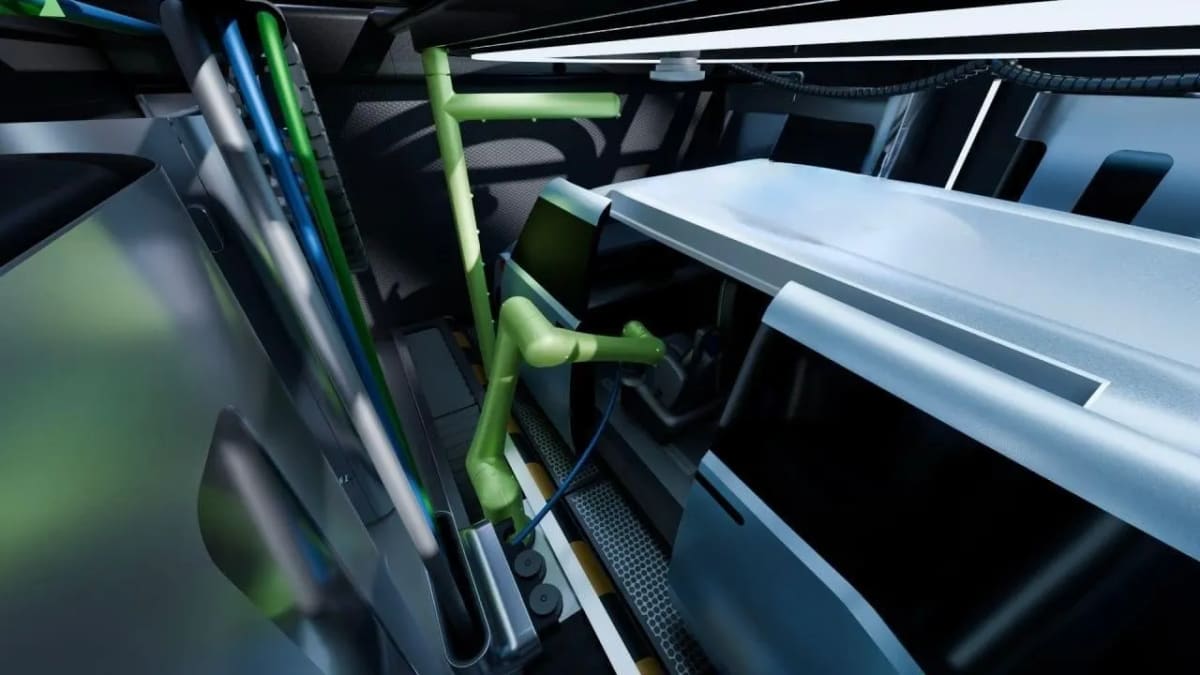
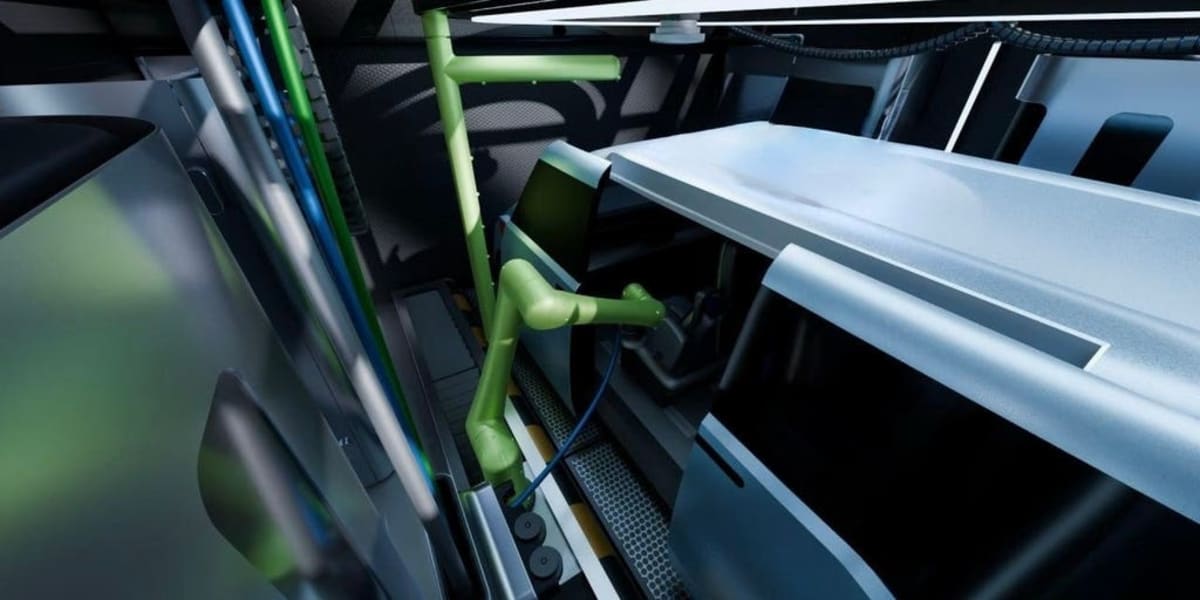
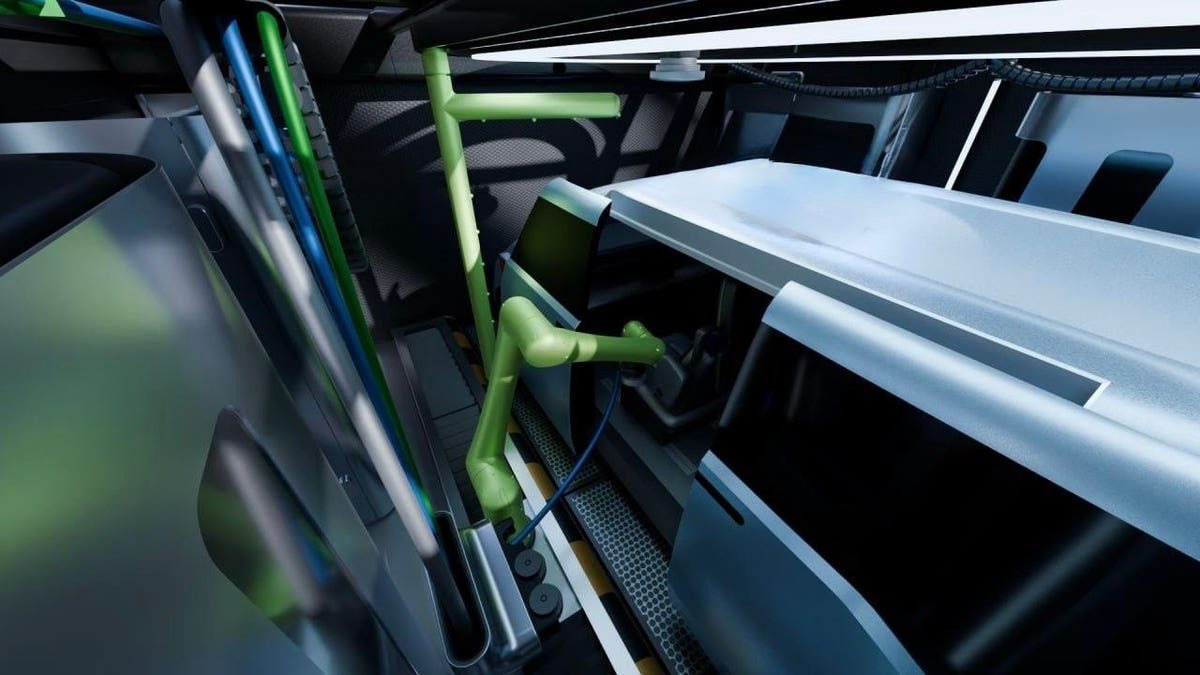
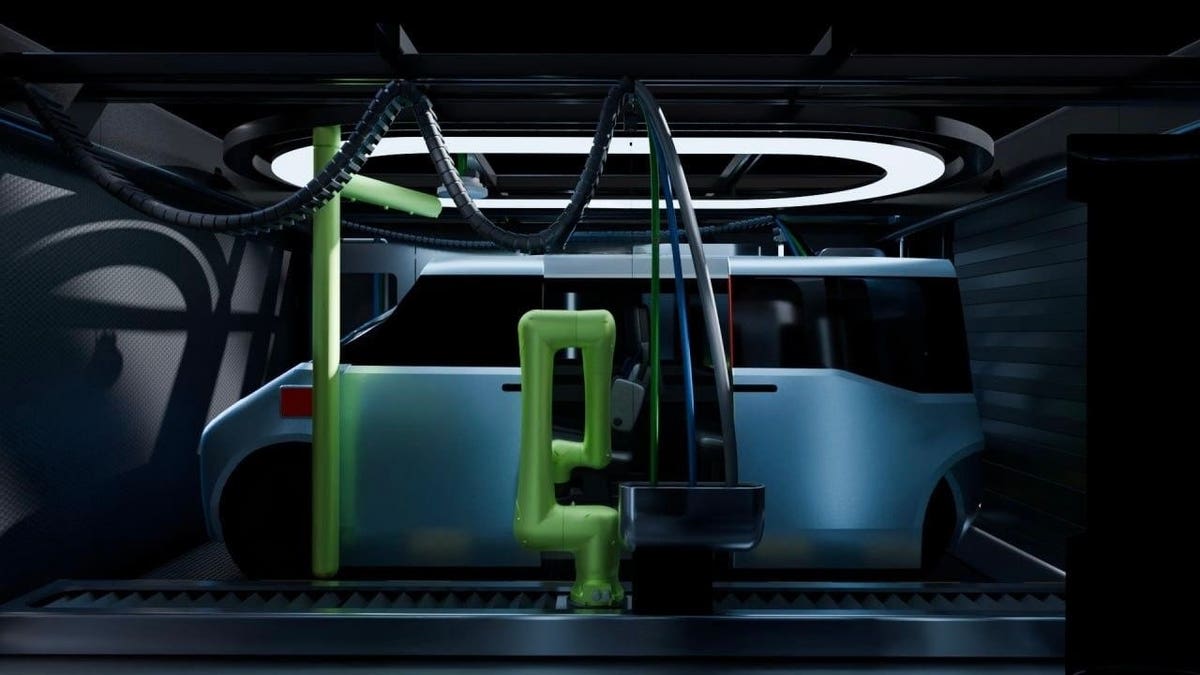
Each pod uses cameras to inspect vehicles while robotic arms clean interiors and retrieve lost items. The units require no permanent construction and can become operational within 24 hours of delivery by flatbed truck. If a location performs poorly, Aseon can simply move the pod somewhere else.
The pods connect to existing charging networks or use mobile power sources depending on the location. Early versions will have staff nearby, but the company plans to make them fully autonomous over time.
The Ripple Effect
Beyond helping robotaxi companies make more money, these pods could reduce traffic congestion from empty vehicles crisscrossing cities. Fewer deadhead miles means less energy waste and fewer cars taking up road space during rush hour.
The technology could also help underused EV charging stations get more customers. Aseon designed the pods to work with existing fast-charging networks, turning idle charging infrastructure into bustling service hubs.
Cities will need to figure out where these boxes fit into already crowded curb space. Delivery zones, bike lanes, outdoor dining, and ride-hailing pickups all compete for the same spots. Adding automated service pods to the mix will require careful planning and community input.
Still, the core innovation addresses a real inefficiency in how autonomous vehicle fleets operate today. Keeping robotaxis closer to riders while cutting empty miles is a win for companies, customers, and potentially the environment.
The future of self-driving cars might include these unassuming boxes quietly working on street corners, keeping fleets moving and cities running smoothly.
More Images
Based on reporting by Fox News Tech
This story was written by BrightWire based on verified news reports.
Spread the positivity!
Share this good news with someone who needs it