Startup Raises $5.7M to Stop Lightning-Sparked Wildfires
A Canadian company has developed technology that could prevent the lightning strikes that ignite most catastrophic wildfires. After successful field trials, Skyward Wildfire just secured millions to expand its cloud-seeding approach that could protect forests and communities.
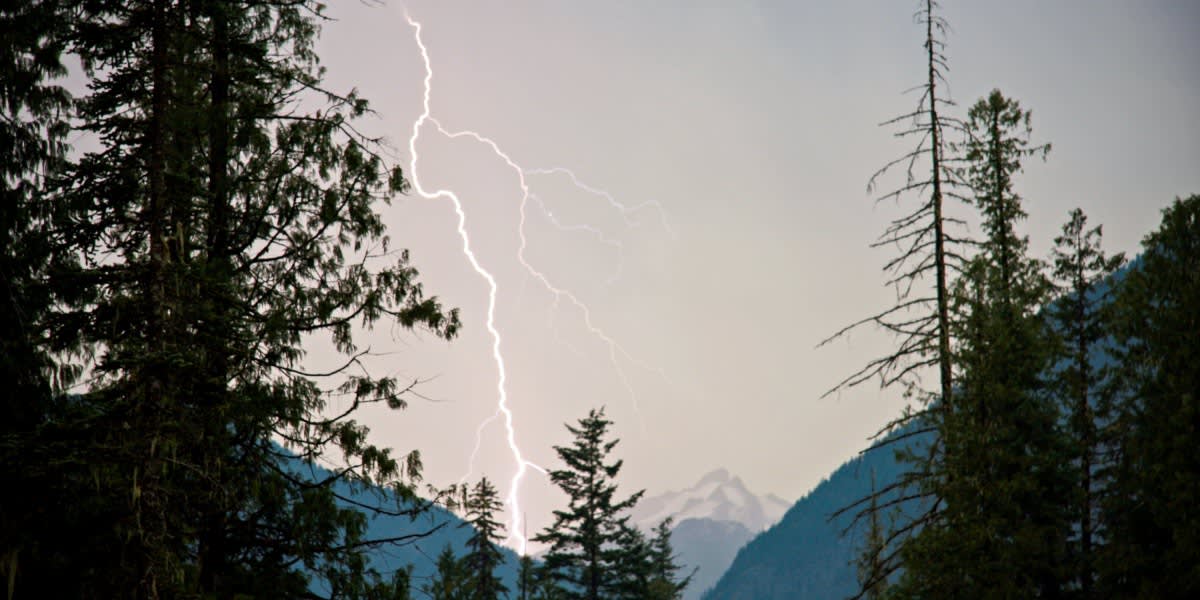
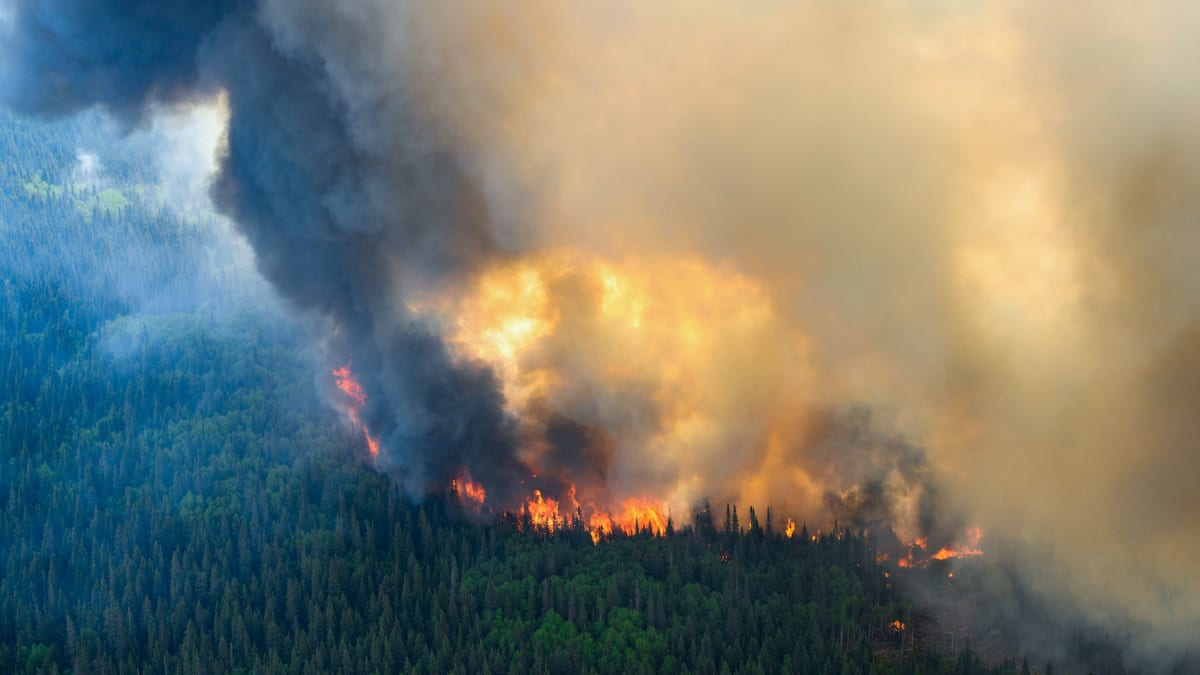
Lightning sparked nearly 60% of Canada's devastating 2023 wildfires, but those strikes accounted for 93% of all land burned.
Now Vancouver-based Skyward Wildfire says it can stop those lightning strikes before they ignite forests. The startup just raised $5.7 million to expand technology that showed promising results in Canadian field trials last year.
The approach tackles a massive problem. In 2023 alone, nearly 7,000 wildfires scorched tens of millions of acres across Canada, forced hundreds of thousands from their homes, and generated nearly 500 million tons of carbon emissions. As climate change drives up temperatures and dries out forests, lightning-sparked fires are becoming an even bigger threat.
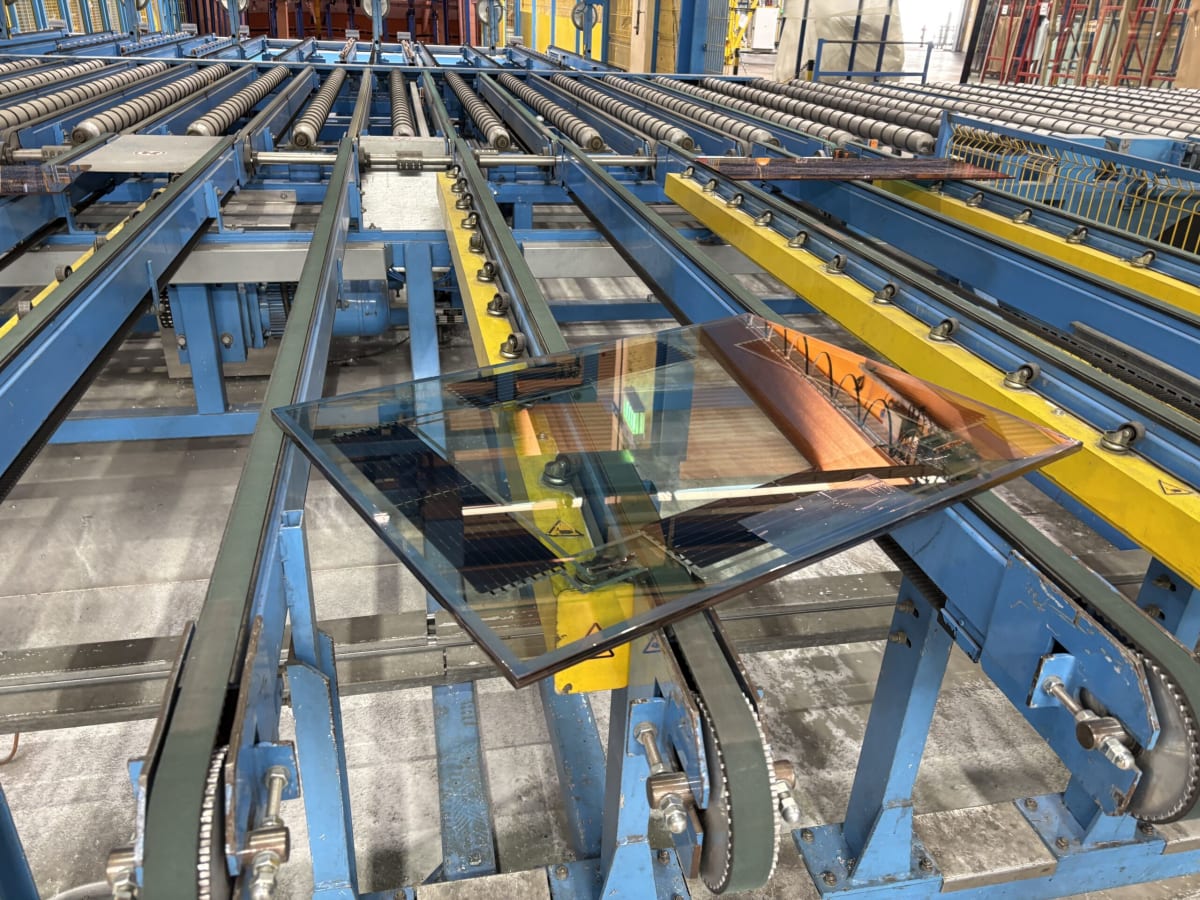
Skyward uses an unexpected tool: aluminum-coated glass fibers released into storm clouds. The military has used this material for decades to confuse radar systems, but it can also neutralize electrical charges in clouds before lightning forms. By predicting high-risk storms with AI tools and treating them proactively, the company aims to prevent fires before they start.
The technology builds on research US government agencies began in the 1960s. While those early field trials showed promise under certain conditions, no one had commercialized the approach until now. Skyward worked with Canadian wildfire agencies throughout 2024 and 2025 to demonstrate the system works at meaningful scales.
The Ripple Effect
The potential impact extends far beyond preventing property damage. Stopping lightning-sparked fires could save lives, preserve wildlife habitat, and prevent the massive carbon emissions that turn forests from carbon sinks into pollution sources. Communities wouldn't face the health impacts of prolonged smoke exposure that blankets entire regions during major fire seasons.
The company's AI prediction tools add another layer of protection. By identifying which storm cells pose the highest fire risk, Skyward can focus its efforts where they matter most. That targeted approach could make the difference on dangerous high-heat days when a single strike can trigger a catastrophe.
Researchers note that questions remain about how the technology performs under varying weather conditions and what environmental monitoring is needed for large-scale deployment. Environmental groups emphasize the importance of transparent testing and public discussion as the technology expands.
Investors backing Skyward include Climate Innovation Capital, Active Impact Investments, and Diagram Ventures. The funding will help the company expand into new regions and provide wildfire agencies with operational tools they can deploy before fire season hits.
"Our first season demonstrated that prevention is possible at scale," said Sam Goldman, Skyward's founder and CEO. The company is now working to bring its lightning suppression technology to other fire-prone regions facing similar challenges.
As wildfires grow more frequent and severe, stopping them before they start offers hope for protecting both people and forests.
More Images
Based on reporting by MIT Technology Review
This story was written by BrightWire based on verified news reports.
Spread the positivity!
Share this good news with someone who needs it