Startup Raises $6M for GPS-Free Spacecraft Navigation
A Washington startup just secured $6 million to perfect navigation software that guides spacecraft using pictures of planets and stars instead of GPS. The technology could help spacecraft find their way home even when satellites can't reach them.
Imagine a spacecraft hurtling back to Earth with no GPS signal to guide it home, navigating instead by snapping photos of celestial landmarks like a cosmic road trip. That future just got $6 million closer to reality.
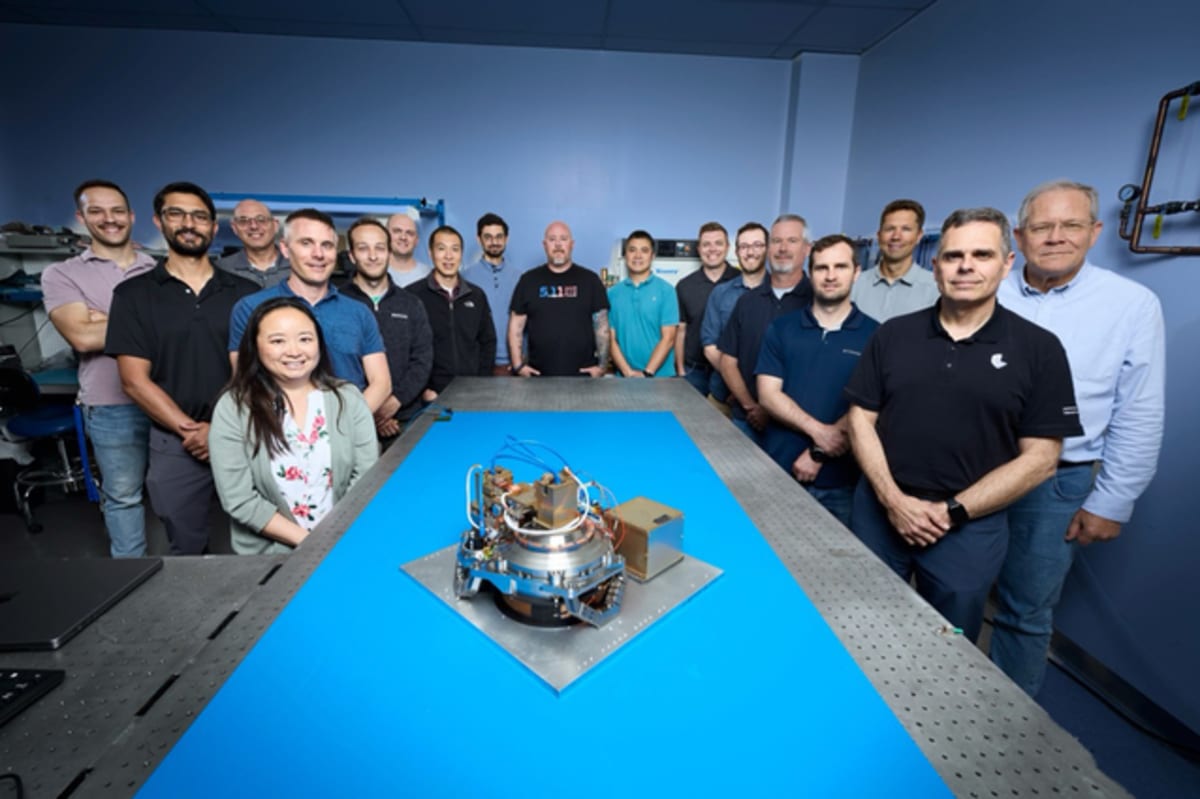
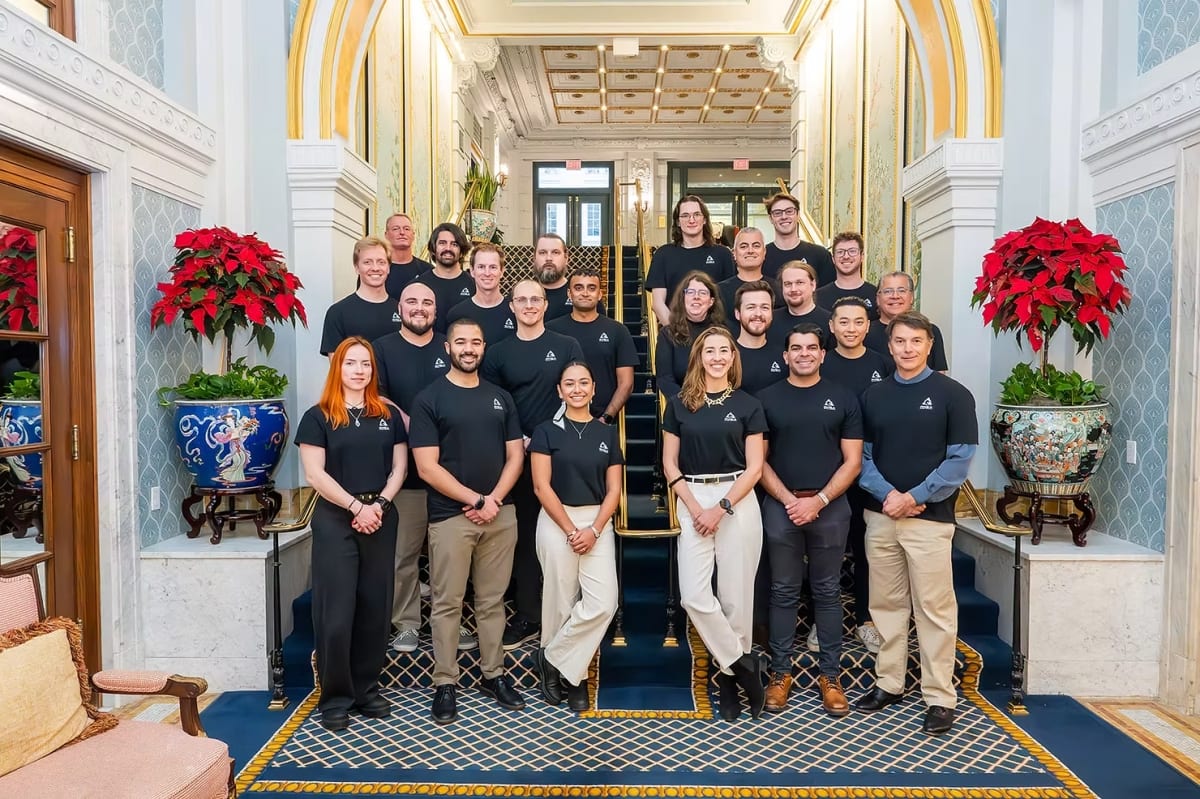
Rhea Space Activity, a Washington D.C. startup, raised the funding to advance AutoNav, a visual navigation system that helps spacecraft find their way without satellite signals. Instead of relying on GPS, the software takes pictures of moving objects like moons, planets, asteroids, and satellites, then matches them against known positions to calculate where it is and where it's going.
The technology started at NASA's Jet Propulsion Laboratory, where engineers needed a way for spacecraft to navigate independently during deep space missions or atmospheric reentry when GPS signals fade or disappear entirely. Rather than waiting for instructions from Earth, spacecraft using AutoNav can figure out their own position and trajectory in real time.
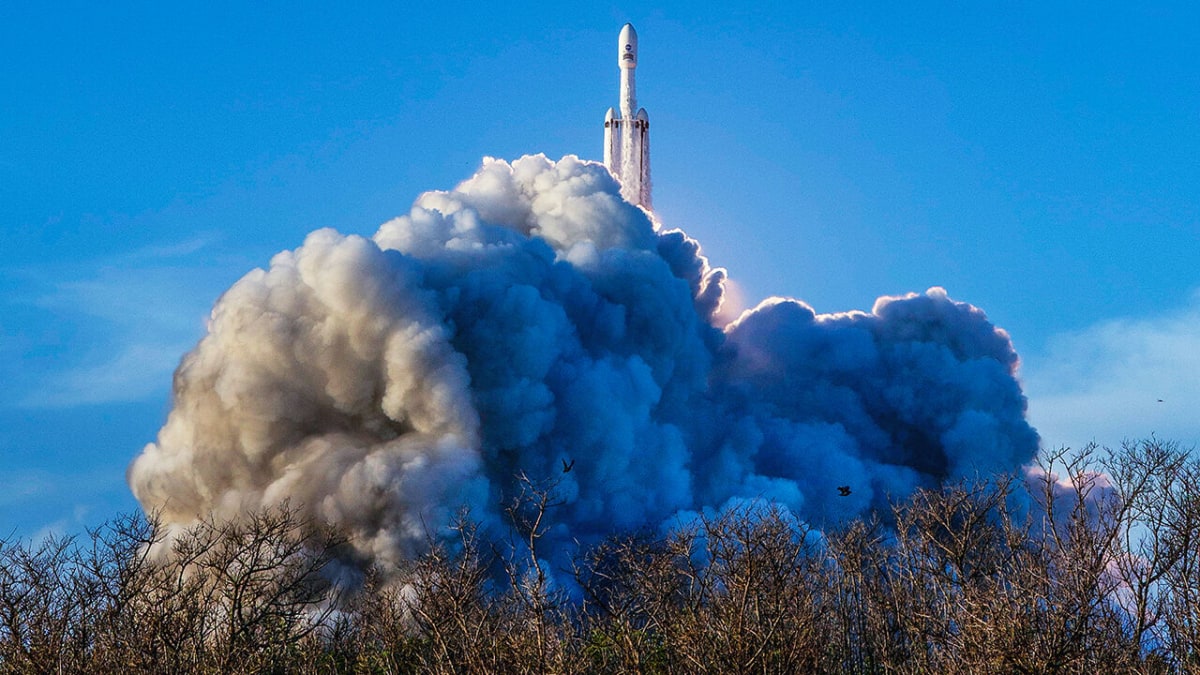
The system gets its first real-world test soon on a reentry capsule built by Varda Space Industries that launched to orbit on March 30. That mission will show whether the visual navigation approach can handle one of spaceflight's trickiest moments when a vehicle screams back through the atmosphere.
Why This Inspires
This breakthrough matters beyond space exploration. As more nations and companies launch satellites, the risk of GPS disruption grows through jamming, hacking, or simple signal loss. AutoNav offers spacecraft a backup plan that works anywhere, making space travel safer and more independent.
The funding round attracted diverse backers including Boston Global Space Tech Investors, Iron Prairie Ventures, Blackbird Capital Group, and Purdue Research Foundation, signaling strong confidence in autonomous navigation's future. These investors see a world where spacecraft chart their own courses as confidently as ships once navigated by stars.
The technology gives spacecraft vision and judgment, transforming them from radio-dependent vehicles into truly autonomous explorers. Whether diving back to Earth or venturing to distant planets, they'll find their way home by looking up at the cosmic signposts that have guided travelers for millennia, now processed through cutting-edge software.
Space is getting smarter, one snapshot at a time.
More Images

Based on reporting by SpaceNews
This story was written by BrightWire based on verified news reports.
Spread the positivity!
Share this good news with someone who needs it