STAT Reporter Bridges Science Skepticism With Empathy
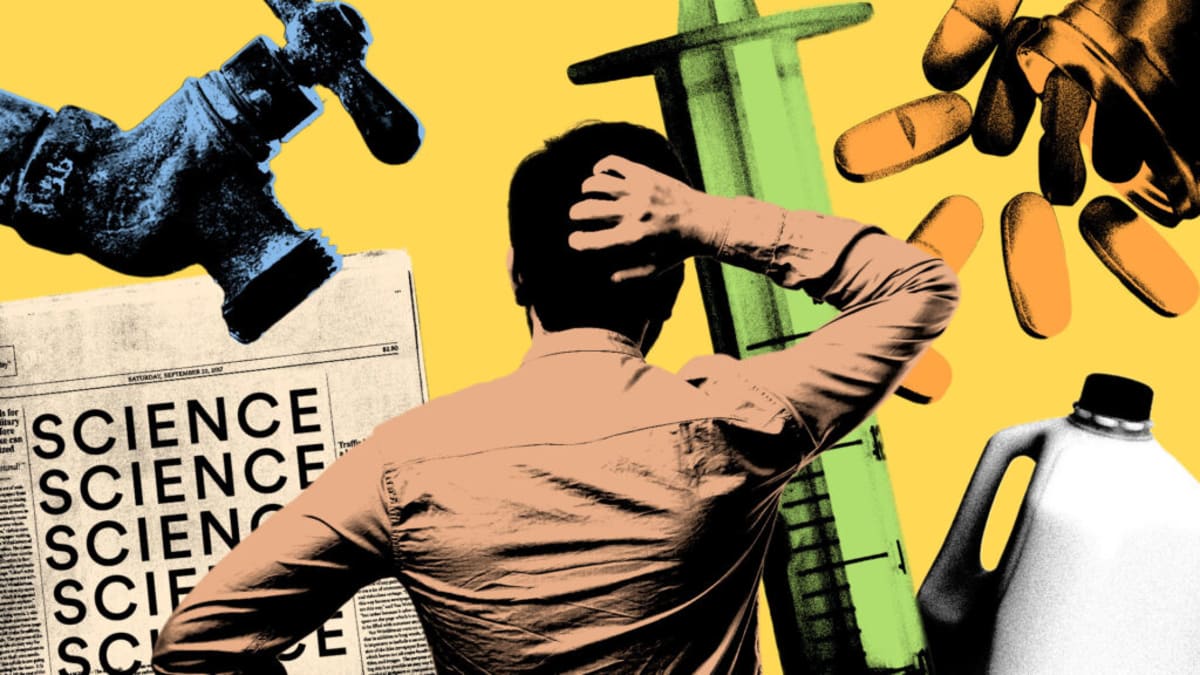
A health journalist living with chronic conditions launches a new beat focused on understanding why people distrust science, rather than dismissing them. His mission: listen first, judge less, and report on the real emotions driving medical skepticism.
Nicholas Florko knows what it feels like when modern medicine doesn't have easy answers. At 34, the STAT News journalist manages high cholesterol, high blood pressure, ADHD, and takes a high dose of antidepressants—yet still searches for relief from constant fatigue.
That personal struggle now shapes his groundbreaking role as STAT's first trust-in-science reporter. He's not covering science skeptics as outsiders to be corrected, but as people whose fears and frustrations deserve to be heard.
Florko has tried it all in his own health journey: the keto diet, compounded peptides, and handfuls of supplements. When a dietary supplement called NAC showed promise in clinical trials for OCD, he kept taking it even after his doctor pointed out gaps in the research. "I was scared that I was going to feel this way forever," he admits.
That vulnerability gives him unique insight into why trust in medicine is declining. It's not just about vaccines anymore—debates now swirl around antidepressants, statins, water fluoridation, and even pasteurization. A recent survey found more than a quarter of people believe raw milk is healthier than pasteurized.
The key question isn't whether people trust scientists in theory, Florko argues. It's what happens when scientific knowledge collides with emotions like fear, confusion, and desperation.
At a recent Children's Health Defense conference, Florko heard claims he found hard to believe—that pesticides, not polio, caused polio-related paralysis. But the moment that stuck with him was different: a woman hugging him and thanking him for listening to her story about her son, whom she believes was paralyzed after vaccination.
"I don't know the full details," Florko says. "But that doesn't mean I should dismiss that woman, the pain she clearly felt, and her reasons for losing trust in science."
Why This Inspires
Florko's approach represents a radical shift in science journalism. Instead of treating skeptics as problems to be solved, he's treating them as people to be understood. He acknowledges that scientific literacy is in crisis—only half of U.S. adults can identify a scientific hypothesis—and that activists have become remarkably skilled at making anti-vaccine claims look like legitimate science.
Even as someone who covers science professionally, Florko sometimes struggles to debunk misleading studies. If trained journalists find it challenging, how can we expect exhausted parents and overwhelmed patients to navigate the information landscape perfectly?
The journalist's mission isn't to abandon science or excuse dangerous misinformation. It's to report responsibly on the real human experiences that drive people away from evidence-based medicine—and perhaps, by listening first, help rebuild the bridges that have crumbled.
"If I can't empathize with these people, I won't be doing my job," Florko writes.
In a polarized world where trust continues to fracture, one reporter is choosing compassion over condemnation—and that might just make all the difference.
More Images


Based on reporting by STAT News
This story was written by BrightWire based on verified news reports.
Spread the positivity!
Share this good news with someone who needs it