
States Protect Student Athletes from Rising Heat Dangers
As climate change drives temperatures higher, states are stepping up with new safety rules to protect young athletes from deadly heat illness. Six states now lead the nation with gold-standard protections including cooling tubs and heat monitoring equipment.
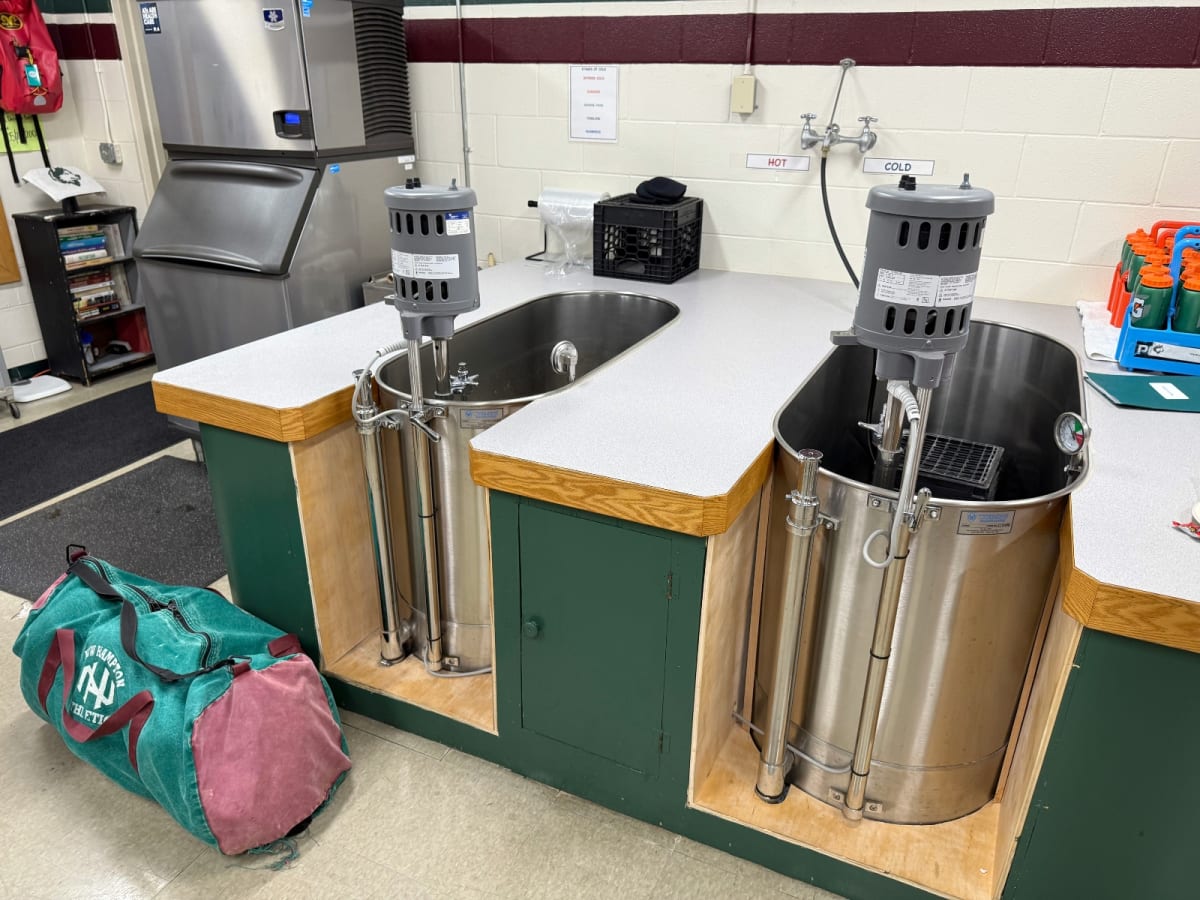
When George LaComb switched high schools in Orlando two years ago, he discovered what proper heat safety looks like: recovery rooms, giant ice baths, and indoor practice spaces for scorching days. His previous school had one makeshift ice bath and a cafeteria table.
The difference between these schools isn't just about comfort. It could be the difference between life and death as rising temperatures make athletic fields increasingly dangerous.
More than 9,000 high school athletes receive treatment for heat illnesses each year. At least 65 teenagers have died from heat-related causes since 2000, with 2021 marking a heartbreaking record of nine deaths from exertional heatstroke.
But here's the good news: states are finally taking action.
Since 2017, states have adopted nearly 200 heat illness prevention policies, according to the Korey Stringer Institute, which advocates for athletic safety. Florida, Georgia, Louisiana, New Hampshire, New Jersey, and North Carolina now lead the nation with comprehensive protections.
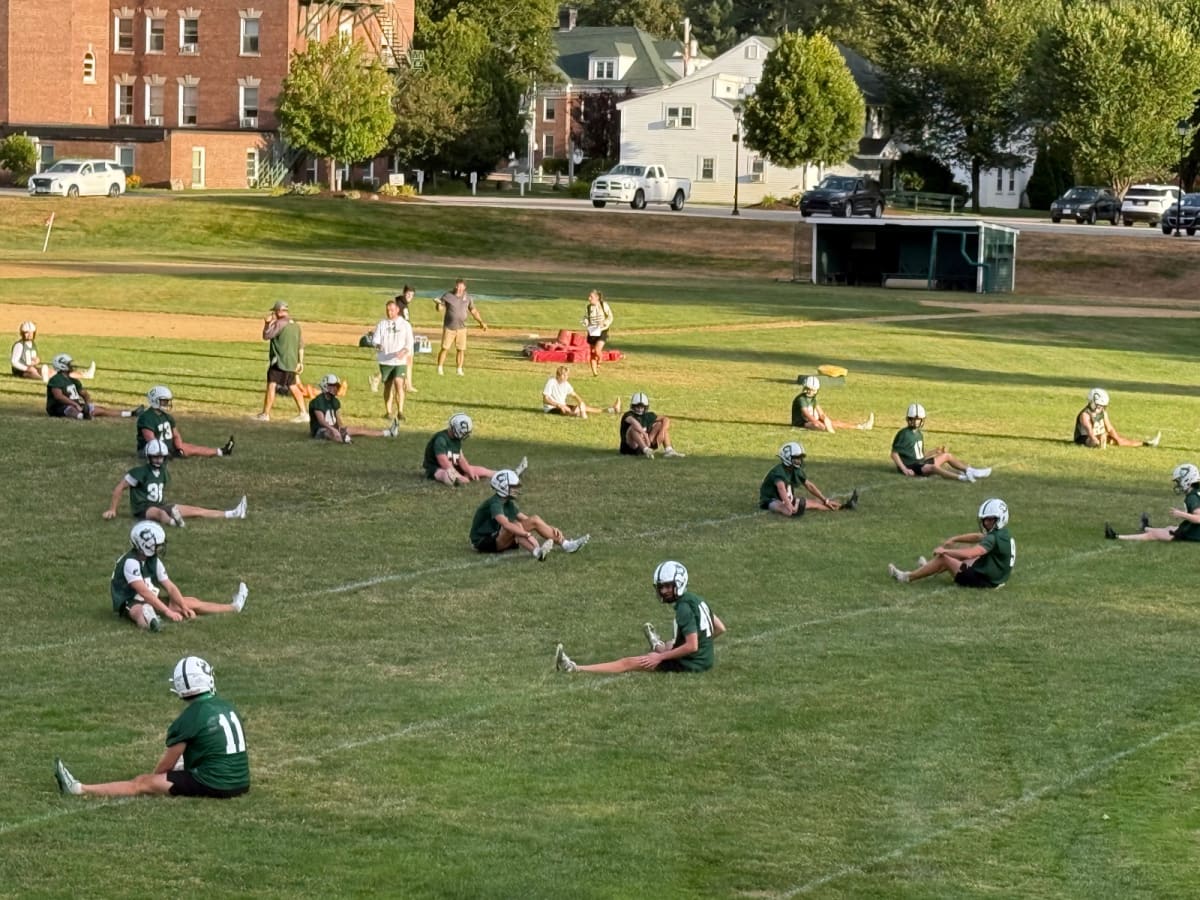
These top-performing states require schools to give athletes time to acclimate at the start of practice seasons. They mandate the use of wet-bulb globe thermometers, the gold standard for measuring heat stress that accounts for temperature, humidity, wind, and sun angle.
Most importantly, all six states require cold water immersion tubs on site during warm weather practices. When someone experiences heatstroke, these tubs can be lifesaving, cooling the body quickly enough to prevent organ damage or death.
The progress represents a massive shift in how schools approach student safety. Rebecca Stearns, chief operating officer for KSI, has watched states transform their approach to protecting young athletes from preventable tragedies.
The Ripple Effect
These state-level changes are creating waves of protection that extend beyond elite athletic programs. Schools are hiring licensed trainers who can spot early warning signs of heat illness. They're adjusting practice schedules during extreme heat and educating coaches on when to move activities indoors.
The policies acknowledge what scientists have long known: children face unique vulnerabilities to extreme heat. Their bodies take longer to acclimate and produce sweat, making them more prone to dehydration.
Communities that never worried about extreme heat in decades past are now experiencing dangerous temperatures. These new state standards give schools concrete protocols to protect students, even as weather patterns shift.
LaComb, now a senior and Florida state representative on the National Student Council, believes every school deserves the same level of protection. "Making sure each school has the resources to keep students safe shouldn't be dependent on income," he said.
While federal workplace heat rules that would extend to schools are still in development, states aren't waiting. Their actions are proving that protecting young athletes from rising temperatures is both possible and increasingly becoming the standard rather than the exception.
More Images


Based on reporting by Grist
This story was written by BrightWire based on verified news reports.
Spread the positivity!
Share this good news with someone who needs it