Stem Cell Breakthrough Could Transform Heart Failure Care
Scientists in Japan discovered the precise drug combination that allows lab-grown heart cells to survive transplant without rejection in primates. The findings bring life-saving regenerative medicine closer to reality for millions suffering from severe heart failure.
For the first time, researchers have cracked the code on keeping transplanted stem cells alive in damaged hearts, bringing new hope to millions facing heart failure worldwide.
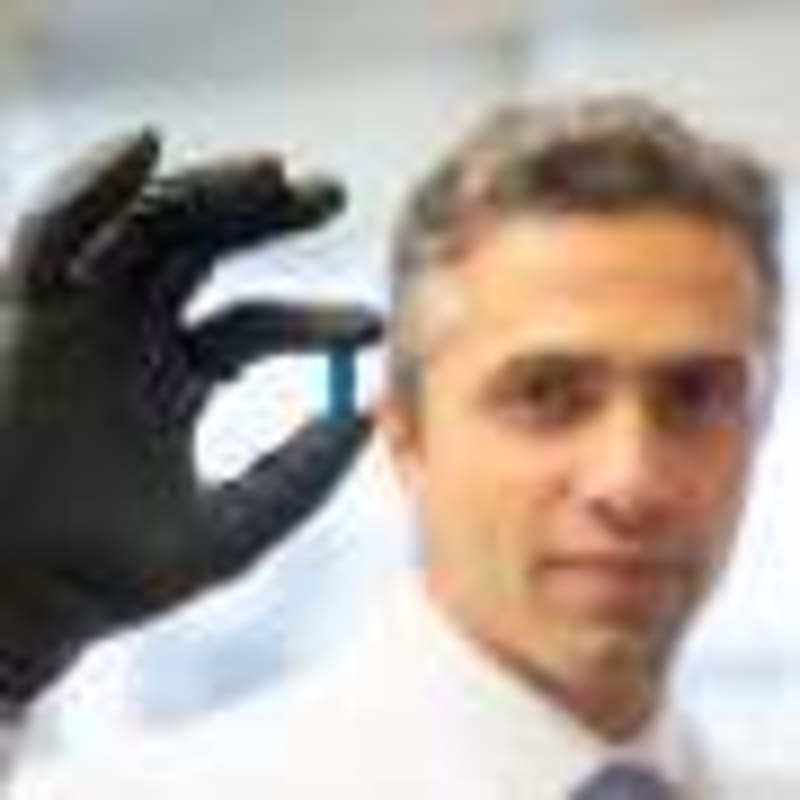
A team of Japanese scientists led by Assistant Professor Hajime Ichimura at Shinshu University successfully identified the exact combination of drugs needed to prevent the body from rejecting transplanted heart muscle cells. The breakthrough, published in Cardiovascular Research, marks a critical step toward making regenerative heart therapies a reality for patients who currently have few options beyond scarce donor transplants.
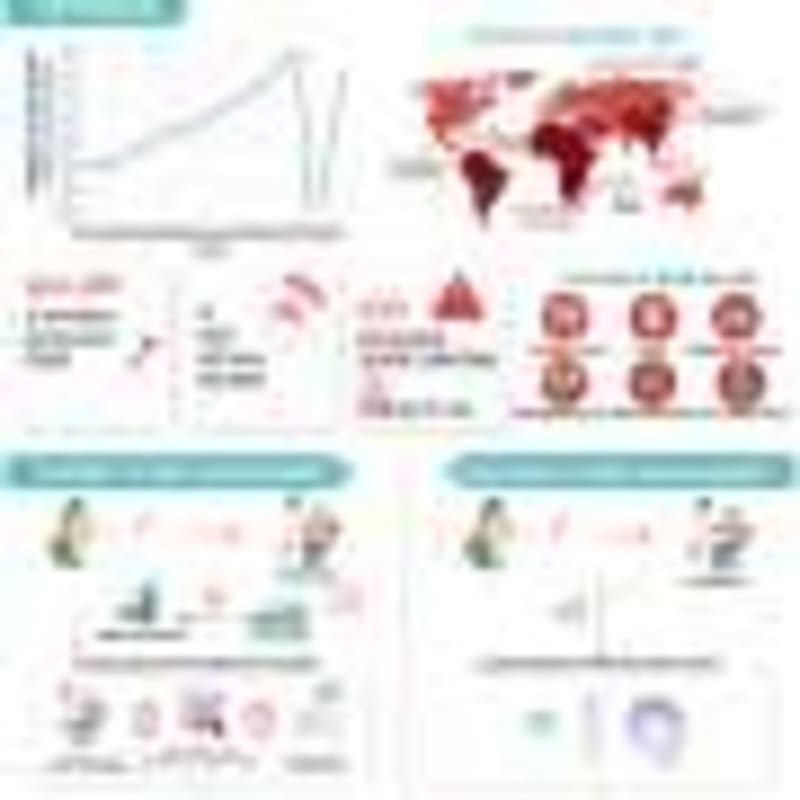
Heart failure affects millions globally and progresses despite the best available treatments. While heart transplants can save lives, the severe shortage of donor organs means most patients never receive one. Regenerative medicine offers an alternative by replacing damaged heart tissue with healthy cardiomyocytes grown from induced pluripotent stem cells, but immune rejection has been a stubborn roadblock.
The research team tested different drug combinations in cynomolgus monkeys, whose immune systems closely mirror our own. They transplanted lab-grown heart cells into injured monkey hearts and carefully tracked which immunosuppressive regimens worked best.
The winning formula combined three drugs: methylprednisolone, calcineurin inhibitors, and mycophenolate mofetil. This triple-drug cocktail reliably prevented acute rejection of the transplanted cells. When researchers removed even one component, the immune system quickly attacked and destroyed the grafts.
Even better, the team discovered a way to eliminate steroids from long-term treatment. Steroids cause serious side effects including metabolic problems and bone density loss. By swapping mycophenolate mofetil for a drug called abatacept, patients could stop taking steroids entirely without triggering rejection.
The researchers also tackled another major challenge: dangerous heart rhythm problems. Some transplanted cells displayed immature electrical properties that could cause fatal arrhythmias. Treatment with two common heart medications, amiodarone and ivabradine, dramatically reduced these dangerous rhythm disturbances and prevented sudden cardiac death in the primates.
The Ripple Effect: Clinical trials using stem cell therapies for heart failure are already underway in humans, but doctors haven't known the optimal drug protocols to prevent rejection. This research provides the evidence-based roadmap clinicians need to move forward safely and effectively.
The findings could transform treatment for severe heart failure patients who currently face limited options. By eliminating the need for donor organs and potentially reducing harmful steroid use, regenerative medicine may soon offer these patients a path to recovery that seemed impossible just years ago.
One carefully calibrated drug combination is opening the door to healing hearts that medicine once considered beyond repair.
More Images
Based on reporting by Medical Xpress
This story was written by BrightWire based on verified news reports.
Spread the positivity!
Share this good news with someone who needs it