Stem Cell Trial Could Restore Movement in Parkinson's
Scientists are testing a groundbreaking treatment that implants lab-engineered stem cells into the brain to rebuild dopamine production in Parkinson's patients. If successful, the therapy could restore motor function and slow disease progression for over one million Americans living with the condition.
For the first time, doctors are testing whether specialized stem cells planted directly into the brain can help reverse the damage caused by Parkinson's disease.
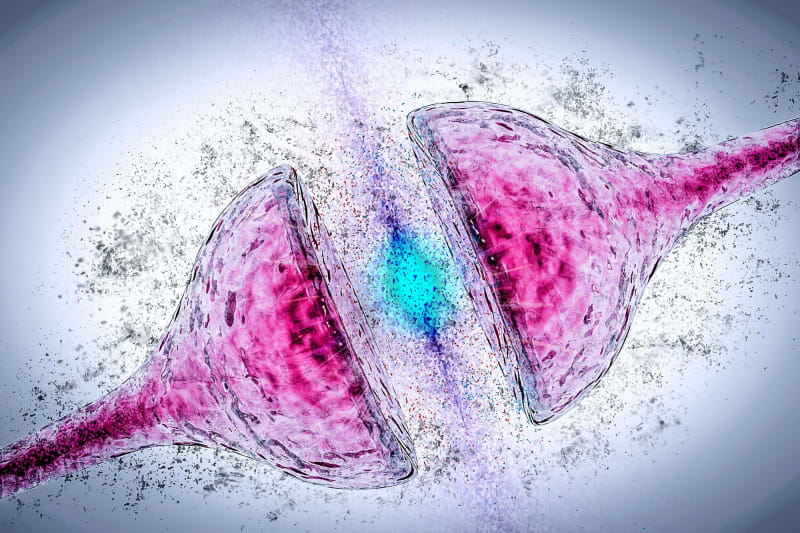
More than one million Americans live with Parkinson's, a progressive condition that causes tremors, stiffness, and slowed movement. The problem starts when dopamine-producing brain cells gradually die, disrupting the signals that control smooth, coordinated movement.
Current treatments help manage symptoms, but nothing stops the disease from advancing. Now, Keck Medicine of USC is pioneering a different approach: replacing the damaged cells entirely.
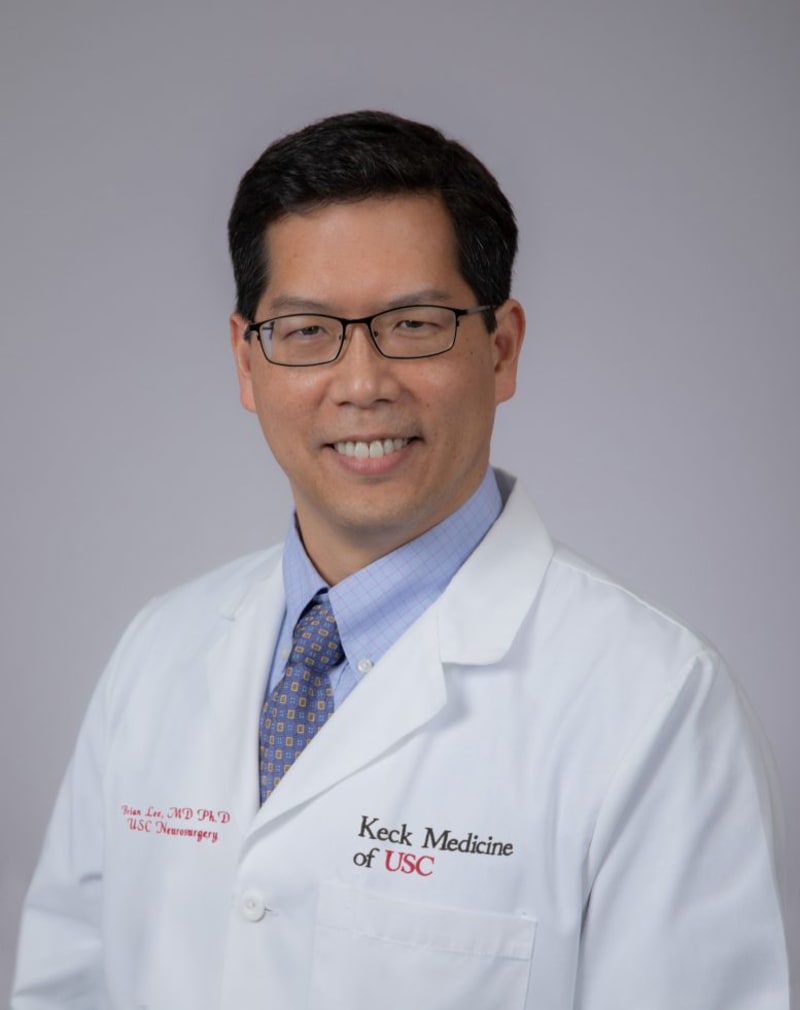
In an early clinical trial, neurosurgeon Dr. Brian Lee and his team are implanting induced pluripotent stem cells (iPSCs) directly into patients' brains. These cells are created by reprogramming adult skin or blood cells into a blank slate state, then directing them to become dopamine-producing brain cells.
The procedure involves drilling a small hole in the skull and using MRI guidance to precisely place the stem cells into the basal ganglia, the brain region that controls movement. The goal is to rebuild the circuitry that breaks down over time.
"If the brain can once again produce normal levels of dopamine, Parkinson's disease may be slowed down and motor function restored," said Dr. Lee, the study's principal investigator.
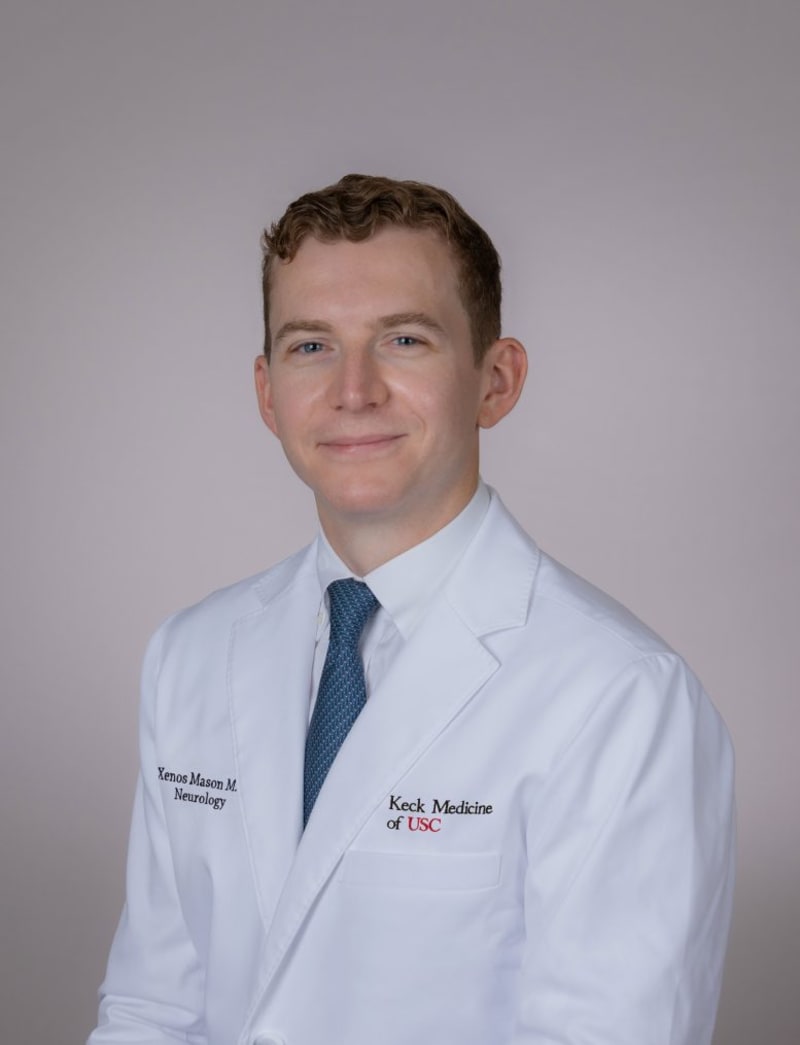
Dr. Xenos Mason, a neurologist specializing in movement disorders, explains why this cell type offers promise. "We believe that these iPSCs can reliably mature into dopamine-producing brain cells, and offer the best chance of jump-starting the brain's dopamine production," he said.
The trial includes 12 participants with moderate to moderately severe Parkinson's across three U.S. medical centers. After surgery, patients are monitored for up to five years to track symptom changes and watch for side effects like excess movements or infection.
Why This Inspires
This research represents a fundamental shift from managing Parkinson's symptoms to potentially repairing the underlying damage. Instead of boosting whatever dopamine remains, doctors are attempting to restore the brain's natural production system.
The timing matters. With 90,000 new Parkinson's diagnoses each year in the United States alone, families are desperate for treatments that do more than mask symptoms.
What makes this approach especially promising is its precision: stem cells targeted to the exact brain regions affected by the disease, programmed to perform the specific function that's been lost.
Dr. Lee's ultimate goal captures the hope driving this work: pioneering a technique that repairs motor function and offers patients a better quality of life.
More Images
Based on reporting by Google News - Disease Cure
This story was written by BrightWire based on verified news reports.
Spread the positivity!
Share this good news with someone who needs it