Stem Cells Reverse Stroke Damage and Restore Movement in Mice
Scientists at the University of Zurich successfully used stem cell transplants to regenerate stroke-damaged brain tissue in mice, restoring their ability to move. The treatment not only created new neurons but also repaired blood vessels and reduced inflammation, bringing hope for future human stroke recovery.
Stroke survivors may one day recover abilities they thought were lost forever, thanks to a breakthrough in stem cell therapy that helped paralyzed mice walk again.
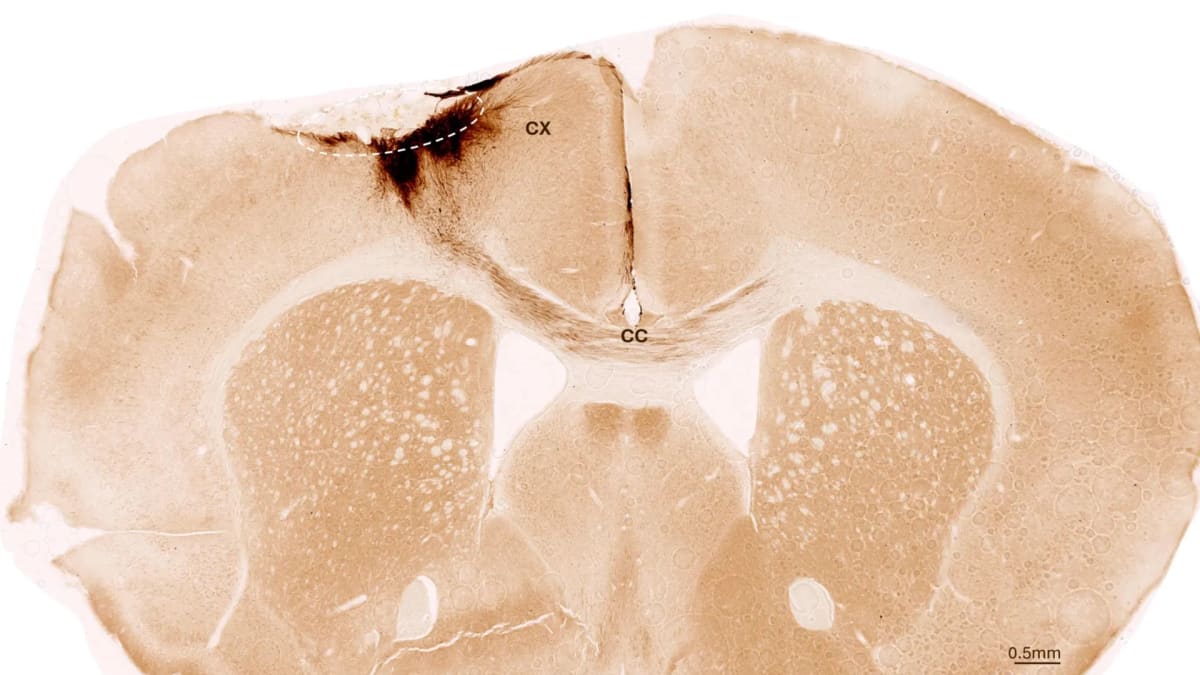
Researchers at the University of Zurich transplanted human neural stem cells into the brains of mice that had suffered strokes. Within five weeks, the damaged tissue began to heal. New neurons formed and connected with existing brain cells, and the mice regained movement they had lost.
The timing of this discovery matters deeply. Stroke affects one in four adults during their lifetime, and half of survivors face permanent disabilities like paralysis or difficulty speaking. Until now, doctors had no way to rebuild brain tissue destroyed by strokes, which kill cells by cutting off oxygen or causing bleeding.
Christian Tackenberg, who led the research, explains that the transplanted stem cells did far more than anyone expected. They transformed into functioning neurons that actually communicated with the surrounding brain tissue, becoming part of working neural networks rather than just sitting idle.
The treatment triggered a cascade of healing throughout the damaged areas. New blood vessels sprouted in regions that had been starved of oxygen. Inflammation decreased. The blood-brain barrier, which protects delicate brain tissue from harmful substances in the bloodstream, began repairing itself.
Most importantly, the mice got better. Researchers used AI-assisted analysis to measure improvements in how the animals walked, documenting clear recovery of motor skills that the strokes had stolen.
Why This Inspires
The research team designed their experiments with human patients in mind from the very beginning. They created the stem cells from reprogrammed human cells and avoided animal-derived materials that could complicate future clinical use.
Even better, the scientists discovered that waiting one week after a stroke to perform the transplant worked better than immediate treatment. This delay could make the therapy much more practical in hospitals, giving doctors time to prepare instead of rushing during the emergency phase when patients are most critical.
The stem cells came from induced pluripotent stem cells, which are created by reprogramming ordinary human cells to regain their ability to develop into many cell types. This approach avoids the ethical concerns associated with other stem cell sources.
Tackenberg acknowledges that obstacles remain before human trials can begin, but the comprehensive nature of this research goes far beyond previous studies. His team analyzed effects over a longer period and examined multiple types of healing, not just immediate results.
For the millions of stroke survivors living with disabilities and the families who support them, this research offers something that seemed impossible just years ago: the genuine possibility that damaged brains might one day heal themselves with the right help.
Based on reporting by Science Daily
This story was written by BrightWire based on verified news reports.
Spread the positivity!
Share this good news with someone who needs it