Sterile Soil Keeps "Breathing" for 6 Years in Lab
French scientists discovered that completely sterilized dirt continued releasing carbon dioxide for six years, suggesting the chemistry of life might have existed before life itself. This breakthrough could rewrite our understanding of how biology began on Earth.
For 15 years, biochemist Sébastien Fontaine tried to kill dirt and failed in the most exciting way possible.
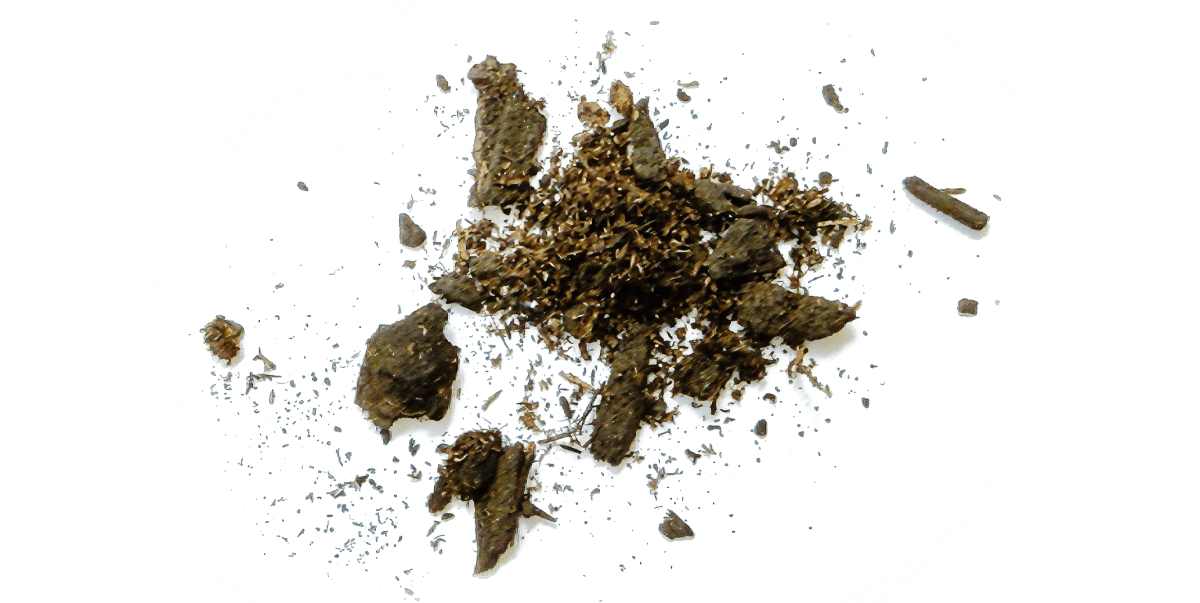
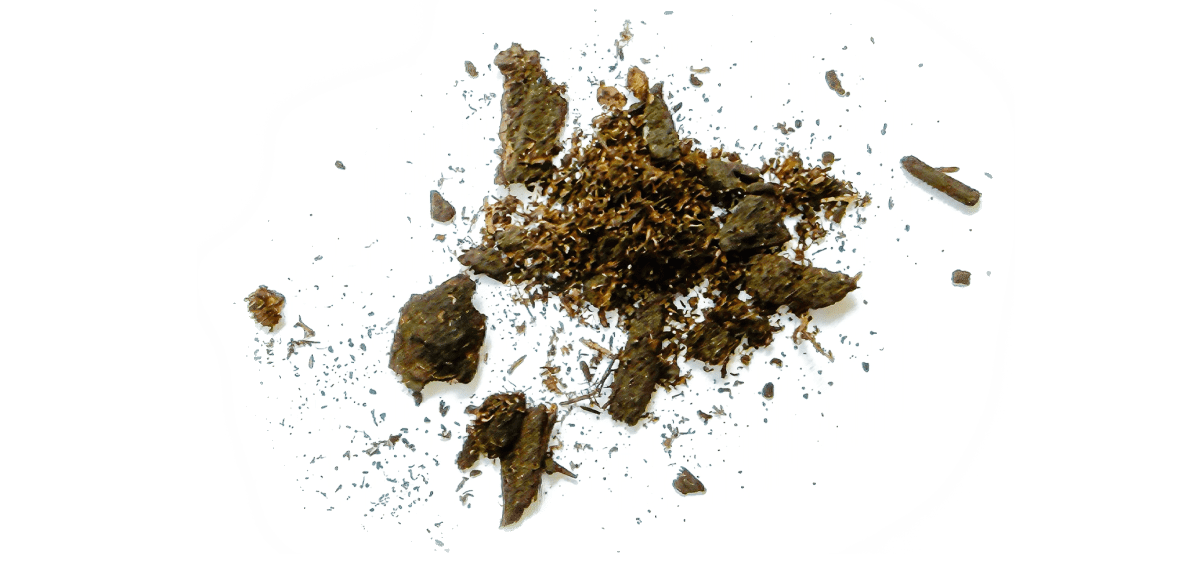
Fontaine's team at France's National Institute for Agriculture, Food, and Environment blasted soil with sterilizing gamma radiation and sealed it in jars. They waited for the carbon dioxide emissions to stop, but the lifeless soil kept breathing for over six years.
Under microscopes, the irradiated soil showed zero signs of life. Yet it continued consuming oxygen and releasing carbon dioxide just like living organisms do. The team repeated their experiments multiple times with identical results.
Initially, other scientists told Fontaine to ignore the findings as experimental error. But he couldn't let it go because the implications were too profound to dismiss.
To test their theory, the researchers added enzymes extracted from yeast to the sterile soil. The carbon emissions immediately spiked, suggesting the enzymes amplified a reaction already happening naturally in the dirt.
After a decade of rigorous testing and skeptical peer reviews, Fontaine's team published their findings in Science Advances in 2025. They demonstrated that metabolic processes, typically requiring living cells and complex biological machinery, were occurring in completely dead soil.
The discovery suggests that some biochemical reactions don't require life at all. What we call metabolism in living cells might actually be chemistry that's possible in basic geology.
The Bright Side
This research offers a revolutionary perspective on life's origins. If metabolic reactions can happen without living cells, similar chemistry might have occurred on early Earth before the first organisms evolved.
The finding means the gap between non-living chemistry and living biology might be smaller than scientists thought. Understanding this bridge could help researchers figure out how life started on our planet billions of years ago.
Organic chemist Joseph Moran from the University of Ottawa, who wasn't involved in the study, called the work groundbreaking. The experiments show what biomolecules do naturally, revealing that life's chemistry isn't exclusive to living things.
Fontaine's persistence through years of doubt and criticism paid off with a discovery that challenges fundamental assumptions about biology. His work demonstrates how questioning unexpected results, rather than dismissing them, can lead to transformative scientific breakthroughs.
The research reminds us that nature still holds profound secrets waiting in the most ordinary places, even in a simple jar of dirt.
More Images
Based on reporting by Google News - Science
This story was written by BrightWire based on verified news reports.
Spread the positivity!
Share this good news with someone who needs it