Strait of Hormuz Reopens Friday After US-Iran Deal
One of the world's most critical shipping routes is reopening this week after the United States and Iran reached a historic agreement to clear mines and restore free passage. The deal also includes Iran's commitment to remain nuclear weapon-free.
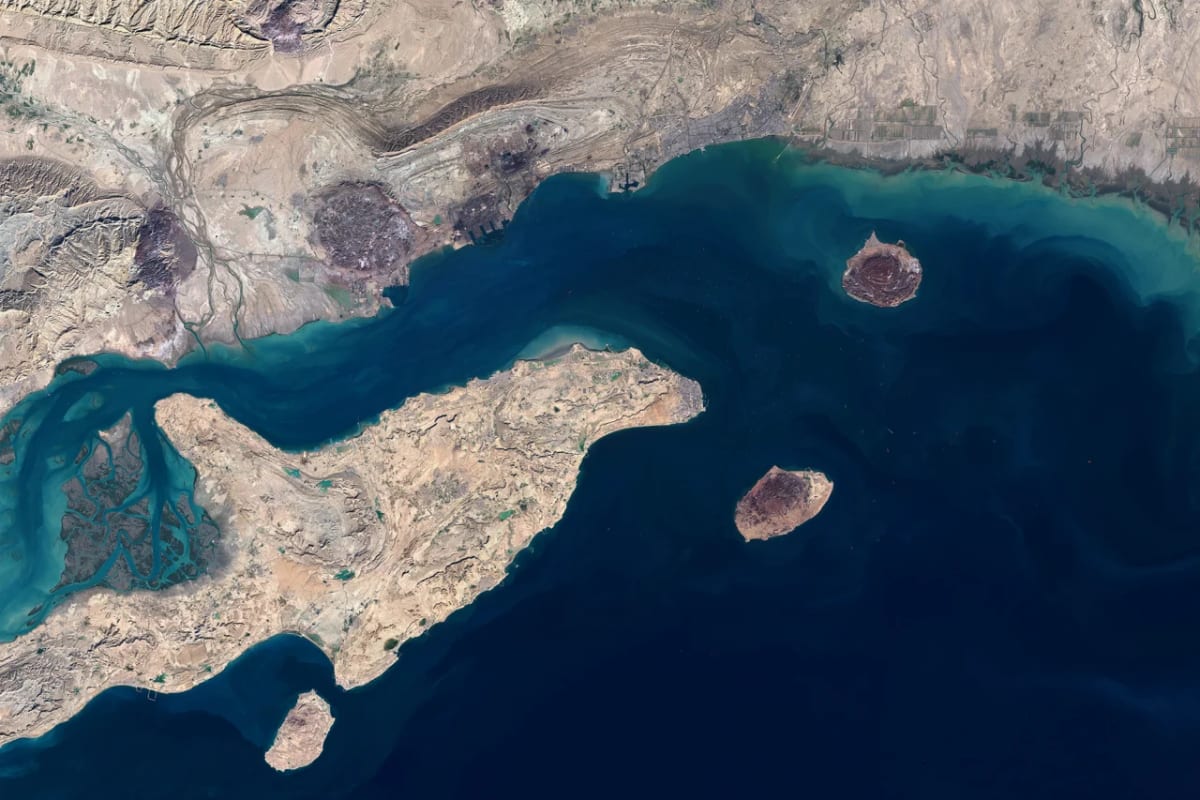
The Strait of Hormuz, a vital waterway carrying nearly one-third of the world's oil shipments, will fully reopen on Friday following a groundbreaking agreement between the United States and Iran.
President Donald Trump announced the signing of a memorandum of understanding with Tehran that has already allowed partial reopening of the strait. Mine clearance operations are now underway, with full navigation resuming within days.
The agreement brings immediate relief to global shipping. Vessels will transit the strait without any fees, ensuring the uninterrupted flow of energy resources to markets worldwide.
Vice President J.D. Vance will attend the official signing ceremony of the memorandum. Trump described the document as "important and powerful" and promised to publish its full text soon.
At the heart of the deal lies Iran's commitment not to acquire nuclear weapons. This addresses what Trump called "the core of the dispute between the two countries in recent years."
The agreement marks a dramatic shift in relations between Washington and Tehran. For years, tensions over Iran's nuclear program threatened stability in the Middle East and disrupted one of the world's most strategic chokepoints.
The Ripple Effect
The reopening of the Strait of Hormuz means more than just resumed shipping traffic. It signals a potential thaw in Middle Eastern tensions that could create space for broader peace efforts.
Trump indicated that Washington wants to work toward resolving the conflict in Lebanon next. He emphasized the need for talks with Israel on this issue, suggesting the Iran deal could serve as a model for future diplomacy.
The economic impact will be felt globally as shipping companies restore normal routes and energy markets stabilize. Countries that depend on oil imports through the strait can now count on reliable access to resources.
For the sailors, port workers, and communities whose livelihoods depend on free passage through these waters, Friday represents a return to normalcy after a period of uncertainty.
This agreement shows that even long-standing adversaries can find common ground when focused on shared interests like safe navigation and nuclear nonproliferation.
More Images
Based on reporting by Egypt Independent
This story was written by BrightWire based on verified news reports.
Spread the positivity!
Share this good news with someone who needs it