Stroke Prevention Saves Sickle Cell Kids in Nigeria
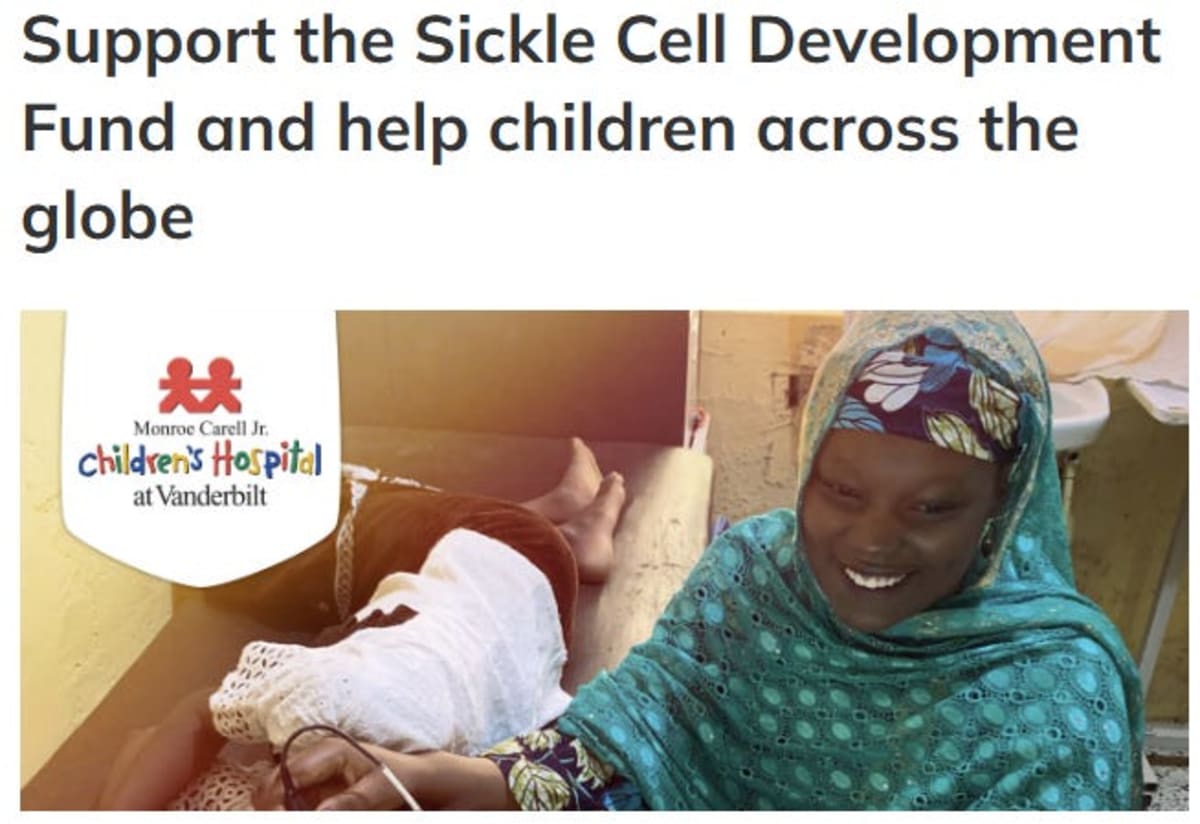
A breakthrough program in Nigeria is preventing strokes in children with sickle cell disease using affordable screening and treatment. Over 150,000 Nigerian children are born with this painful condition each year, and now they have real hope.
Children born with sickle cell disease face a brutal reality: 11% will suffer a stroke before turning 20 if nothing is done. But in Nigeria, where more kids are born with sickle cell than anywhere else on Earth, a game-changing program is rewriting that future.
Dr. Michael R. DeBaun leads the Vanderbilt-Meharry Center of Excellence in Sickle Cell Disease, and his team has cracked the code on preventing these devastating strokes. The solution isn't fancy gene therapy or expensive bone marrow transplants. It's simple, affordable screening using transcranial Doppler ultrasound, followed by generic medicine that stops red blood cells from sickling before disaster strikes.
The timing couldn't be more critical. While wealthy nations now have access to gene therapies that cost up to $3.1 million per patient, Nigeria's 150,000 annual sickle cell births happen in communities where such treatments remain impossible. Bone marrow transplants, though proven curative for decades, carry price tags in the hundreds of thousands and require perfect donor matches.
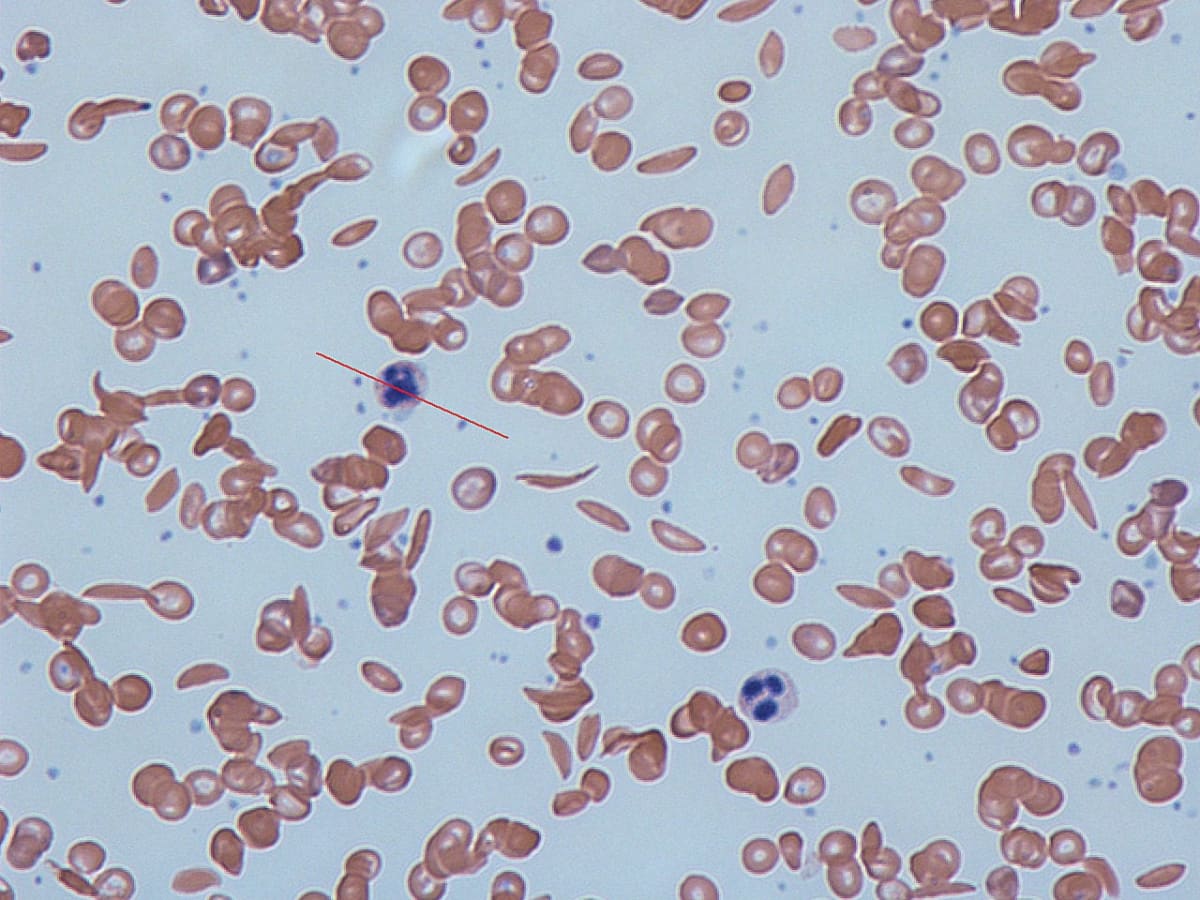
Sickle cell disease happens when a single letter mutation causes red blood cells to twist into rigid crescents. These sharp shapes jam small blood vessels, starving tissue of oxygen and triggering waves of crushing pain. The attacks repeat throughout a patient's lifetime, creating suffering that begins in childhood.
The Ripple Effect
Dr. DeBaun's approach transforms the equation from impossibly expensive cures to preventable tragedies. Every dollar stretches further when the focus shifts to stopping strokes before they happen. His team screens children to identify those at highest risk, then treats them with affordable medication that keeps their blood flowing freely.
The program proves that closing the gap between disease and cure isn't always about inventing new treatments. Sometimes it's about making proven interventions accessible where they're needed most. Financial support directly expands the number of children who get screened and treated, turning a medical breakthrough into lived reality for families across sub-Saharan Africa.
Gene therapies approved in 2023 represent remarkable science, but they're only available in a handful of Western health centers. Meanwhile, children in Memphis, Tennessee once lined hospital walls breathing oxygen for temporary relief from sickle cell pain. Dr. DeBaun witnessed this suffering and chose to focus his work where simple interventions could reach the most children.
His Sickle Cell Development Fund supports both the stroke prevention program and research into delivering better care worldwide. The approach works because it meets families where they are, with tools that function in real-world African healthcare settings. Donations are tax deductible and directly fund screening equipment, medication, and the team members who make prevention possible.
For thousands of Nigerian families, this program means their children will grow up without the brain damage and disability that strokes bring, giving them futures their disease once threatened to steal.
More Images


Based on reporting by Google News - Disease Cure
This story was written by BrightWire based on verified news reports.
Spread the positivity!
Share this good news with someone who needs it