Stroke Survivor Regains Arm Movement After 17 Years
A Florida man who had a stroke at age seven can now move his paralyzed arm again, thanks to a tiny implanted device that reawakens dormant nerves. The FDA-approved technology is giving hope to patients who lost function decades ago.
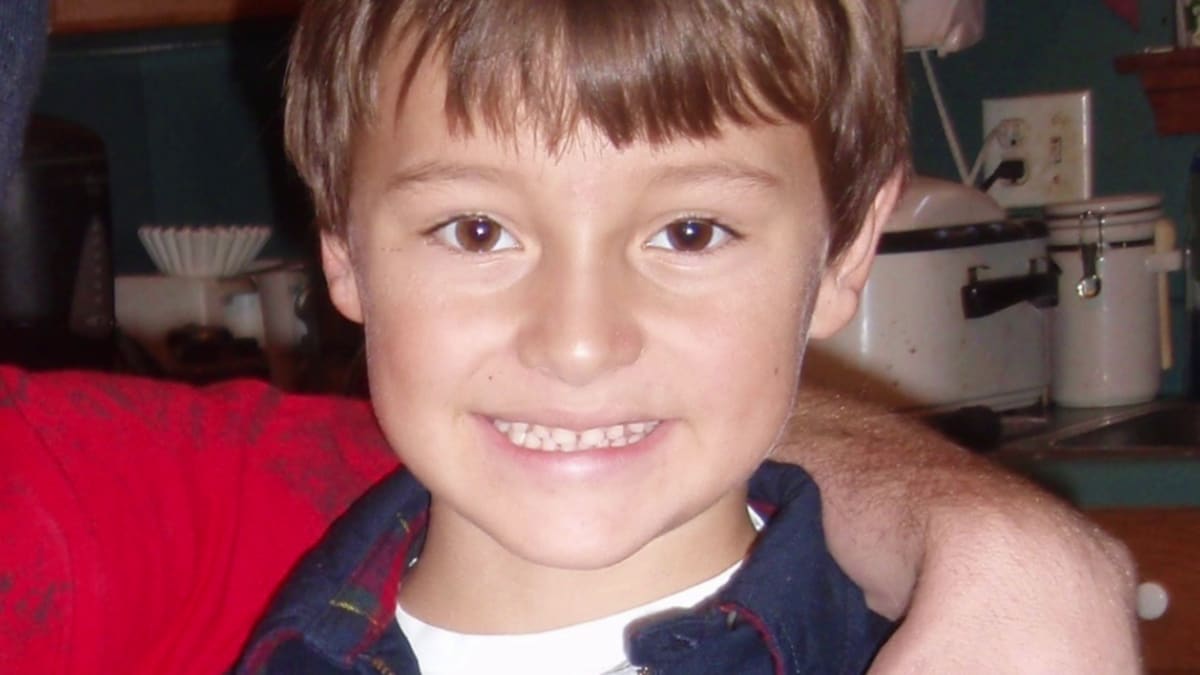
Christian Daigle was bouncing on a trampoline when the right side of his seven-year-old body suddenly froze. He fell over, confused and scared, as a stroke stole the use of his arm.
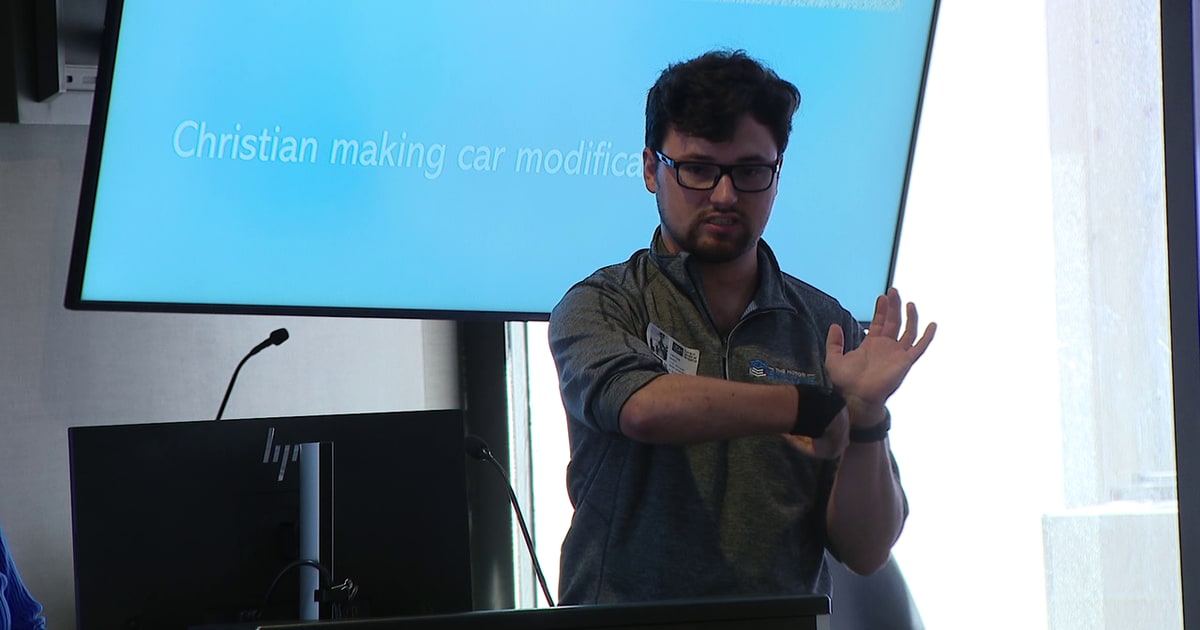
For 17 years, the Clearwater native learned to navigate life one-handed. He drove cars, graduated school, joined the Coast Guard Auxiliary, and mastered snorkeling and auto repair, never letting his paralyzed right arm define him.
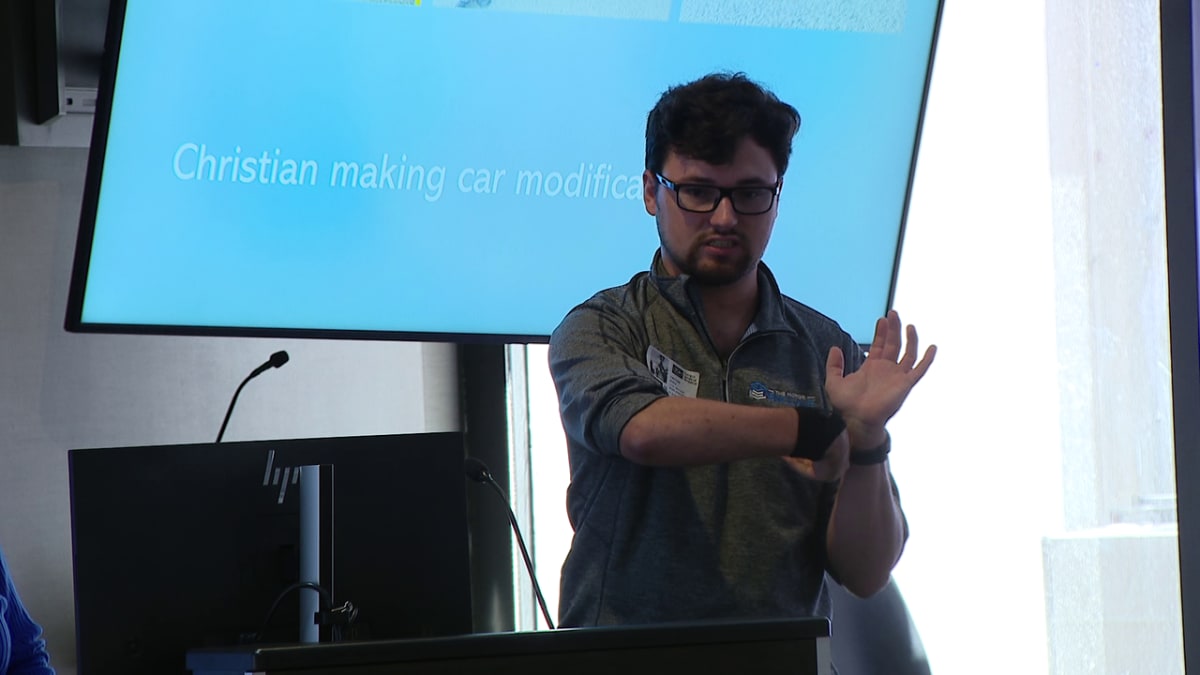
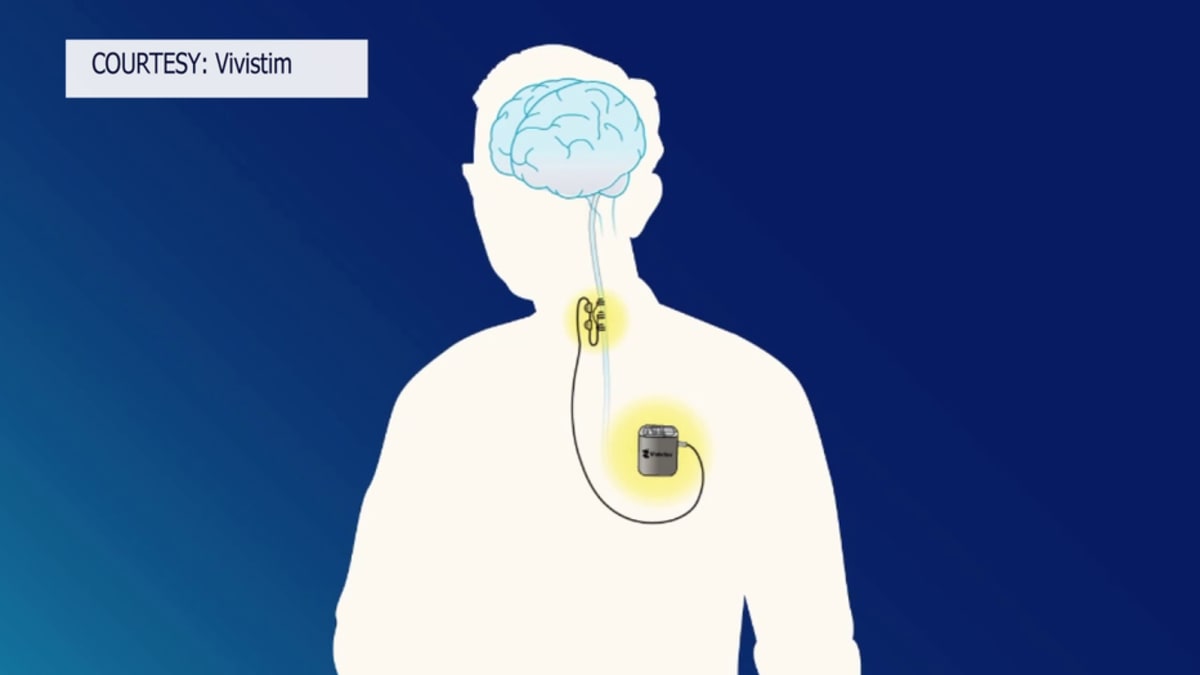
But now, at 24, Daigle can straighten his right arm and move his fingers again. The reason? A Tic Tac box-sized device called Vivistim, implanted in his chest.
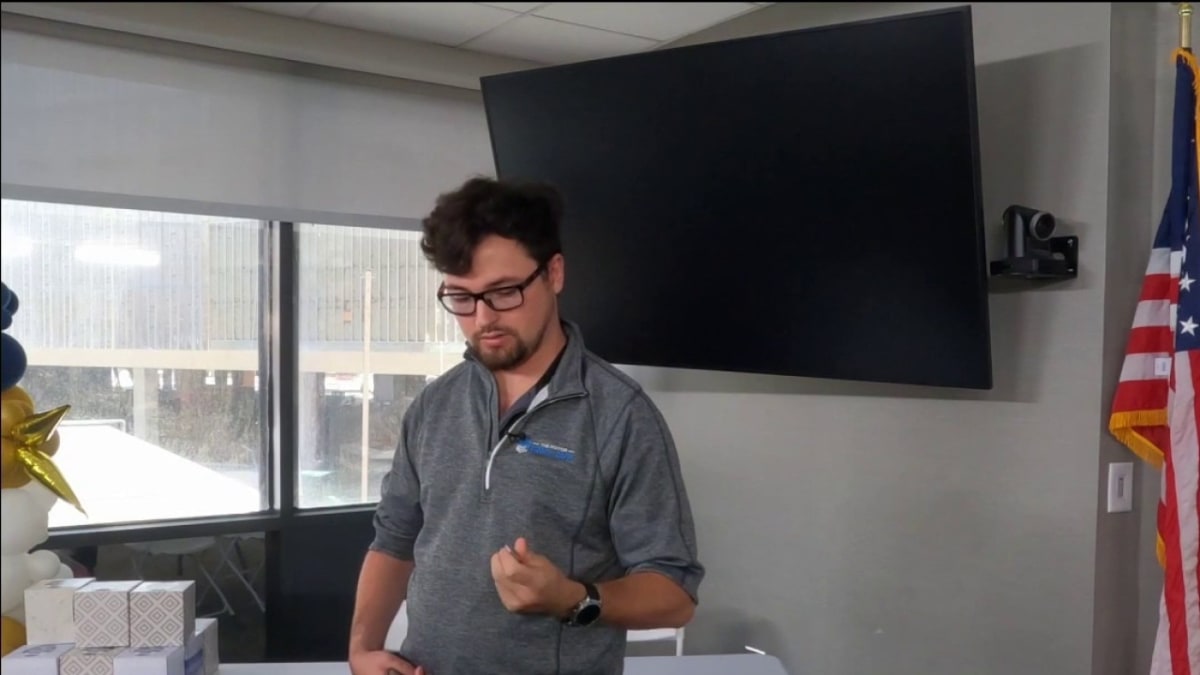
The FDA-approved device connects to the vagus nerve, a critical pathway between the brain and body. When Daigle swipes a small magnet over his chest, the device stimulates the nerve, allowing his dormant limb to come back to life.
"I typically don't remember what it's like using two hands," Daigle said. "So I'm so used to using my one hand."
Now he's planning to drive a manual transmission car for the first time in his life. The simple act of shifting gears represents something extraordinary: a future he never thought possible.
Dr. David Rose at Tampa General Hospital calls the technology a major breakthrough. The surgery is relatively simple, and the results are stunning for patients who thought their recovery window had closed forever.
"We've tried various things for chronic stroke, which didn't really have much success," Rose said. "This is finally showing something that seems almost too good to be true."
Why This Inspires
Daigle's story proves that hope doesn't have an expiration date. For years, stroke survivors were told that recovery had a narrow window, that dormant limbs would stay dormant forever.
This technology is rewriting that story. Patients who lost function decades ago are getting second chances, discovering abilities they thought were gone for good.
Daigle spoke at Tampa General Hospital's stroke survivor retreat on Friday, sharing his journey with others navigating similar paths. His message was simple but powerful: recovery timelines aren't always what doctors predict.
Dr. Rose emphasizes that while devices like Vivistim offer hope for chronic stroke patients, immediate medical attention remains critical. Stroke symptoms are painless and easily dismissed, but quick action saves lives and preserves function.
For Daigle, who's lived most of his life adapting to limitations, the changes feel surreal. "Honestly, I have no words for it," he said.
His right arm is waking up after 17 years of sleep, proving that sometimes miracles arrive in Tic Tac-sized packages.
More Images
Based on reporting by Google News - Recovery Story
This story was written by BrightWire based on verified news reports.
Spread the positivity!
Share this good news with someone who needs it