Students Bring 100-Year-Old Indian Library Back to Life
Thirty college students in India are cataloging 200,000 rare books to save a century-old library that once launched Malayalam cinema stars. The Victorian-era treasure trove is getting a complete digital makeover, one manuscript at a time.
A historic library that helped birth India's Malayalam film industry is being rescued from obscurity by a team of university students armed with patience and dedication.
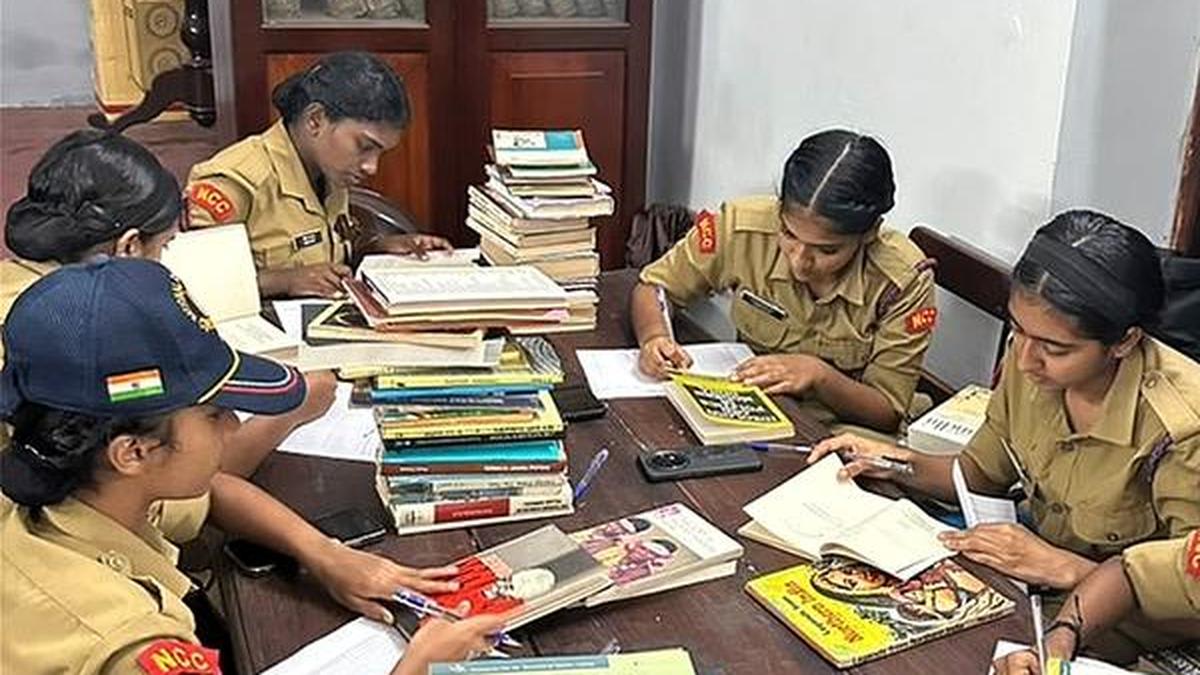
Thirty student volunteers from the University of Kerala are spending their days cataloging nearly 200,000 rare books and crumbling manuscripts at the Sree Chitra Thirunal Grandhasala in Thiruvananthapuram. The Victorian-era building houses an irreplaceable collection of out-of-print publications, old manuals, and historical documents that most people forgot existed.
The work demands meticulous attention. Each student records the title, author, and a unique identification number for every single item, creating a digital catalog that will make this treasure accessible to researchers and the public for the first time.
For first-year history student Vismaya Tojo, holding centuries-old manuscripts feels like touching history itself. She and her fellow National Cadet Corps volunteers are part of Young Indians' "Revive the Roots" initiative, which connects young people with heritage institutions across the country.
The library's story reads like a movie script. Founded in 1914 by 16-year-old student N. Kesava Pillai with just 25 donated books, it quickly became more than a reading room. For decades, the library staged dozens of theatrical productions each year to raise money, becoming a training ground for actors who would later become Malayalam cinema legends like Adoor Bhasi and Bharath Gopi.
Former President Dr. S. Radhakrishnan counted himself among the library's devoted supporters. Former judge Anna Chacko made history as the first woman in the theater troupe.
Despite celebrating its centennial in 2014, the institution has struggled financially in recent years. Without intervention, this cultural landmark risked fading into the same obscurity as some of the forgotten books on its shelves.
The Ripple Effect
The digital transformation means researchers worldwide will soon access materials previously available only to those who could physically visit this single building in southern India. Academic Achuthsankar S. Nair envisions the space becoming a modern learning center that bridges past and future.
Mathew Jacob, who leads the Young Indians chapter in Trivandrum, emphasizes that preserving books means nothing if future generations can't benefit from the knowledge inside them. The project aims to ensure these literary treasures continue educating and inspiring long after their pages have yellowed.
What started as a teenager's dream with two dozen borrowed books now stands as proof that heritage worth saving finds the helpers it needs.
Based on reporting by The Hindu
This story was written by BrightWire based on verified news reports.
Spread the positivity!
Share this good news with someone who needs it