Students Find Universe's Most Pristine Star on Spring Break
University of Chicago undergrads discovered the most chemically pure star ever observed during a spring break research trip to Chile. The ancient star offers a rare window into how the universe's second generation of stars formed billions of years ago.
Instead of beaches and parties, eight University of Chicago students spent their spring break at a Chilean observatory and discovered a cosmic treasure that rewrites what we know about the early universe.
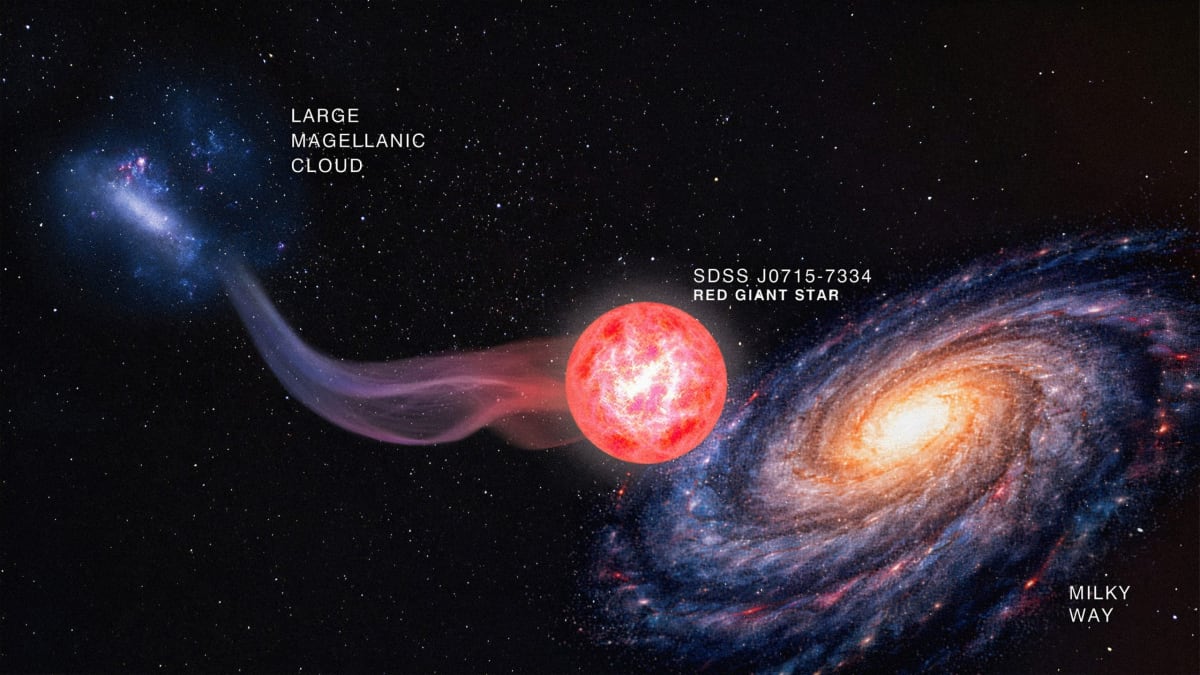
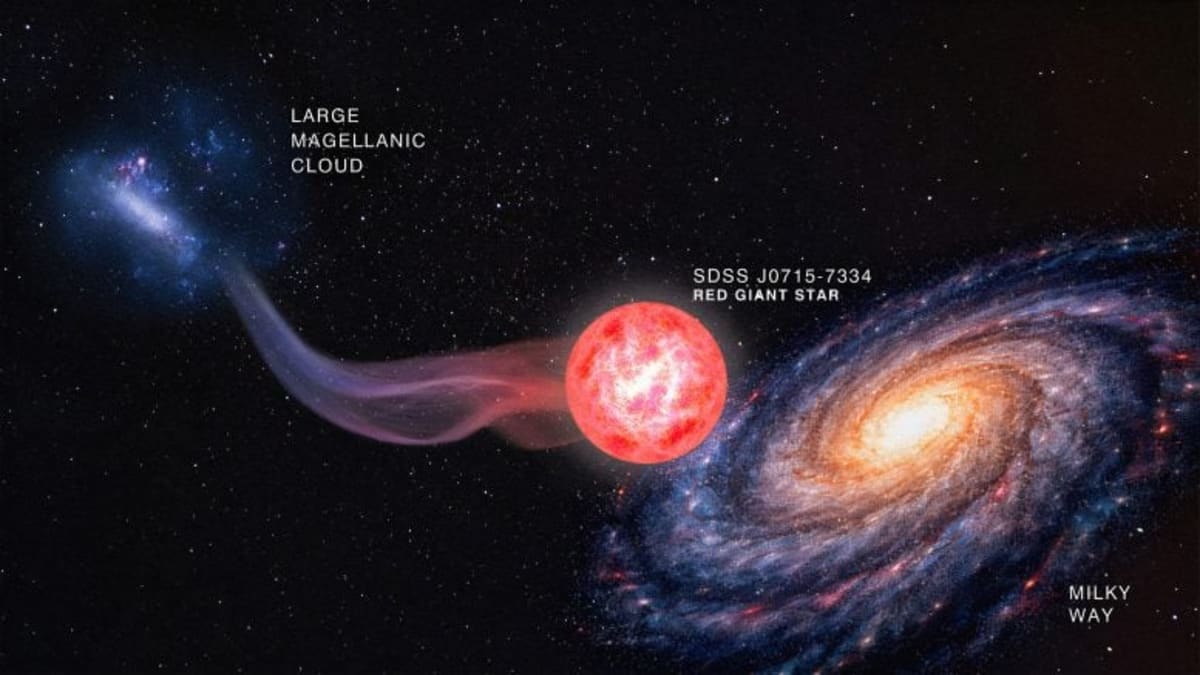
During an astronomy field course led by Professor Alexander Ji, the students identified SDSS J0715-7334, the most chemically pristine star ever found. The star belongs to only the second generation of stars formed in the universe, emerging just a few billion years after the Big Bang.
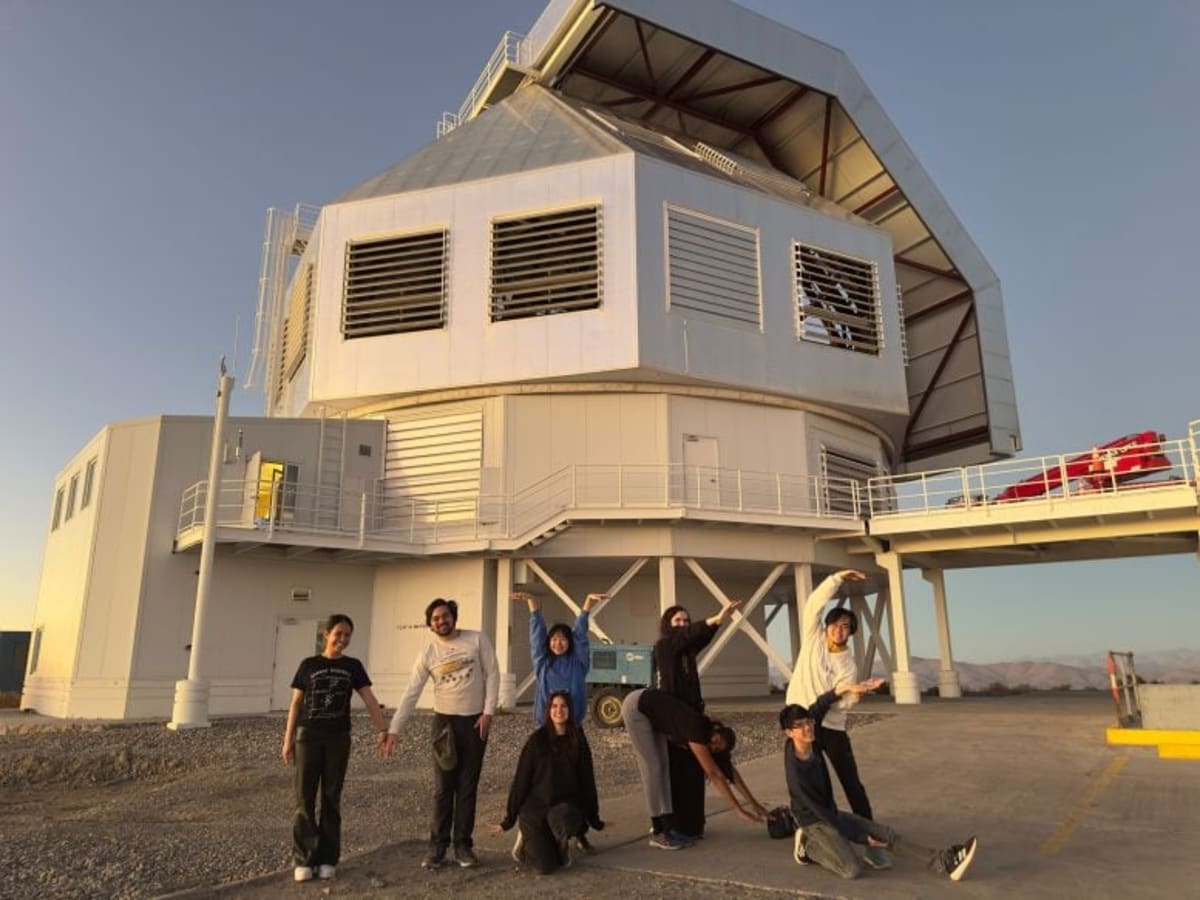
The discovery happened in the early morning hours at Carnegie Science's Las Campanas Observatory. The students were using the Magellan Clay telescope to analyze data they'd collected from the Sloan Digital Sky Survey when they realized what they'd found. One student group photo shows them spelling "MIKE" with their bodies in front of the telescope, celebrating the instrument that made their breakthrough possible.
"The students identified stars with extremely low levels of heavy elements, which told them they'd come across something very special," Ji explained. Unlike younger stars that contain various heavier elements created by earlier stellar generations, this ancient survivor is made almost entirely of hydrogen and helium, just like the universe's earliest stars.
The finding matters because scientists can't yet observe individual stars from the universe's first generation directly. These stars burned intensely and had short lifespans, creating heavier elements through nuclear fusion before exploding and scattering those materials into space. Finding their descendants helps astronomers understand how star formation evolved over cosmic history.
The discovery transformed the course itself. After confirming their find, Ji restructured the rest of the semester so students could focus on analyzing their results rather than following a traditional curriculum. That flexibility turned a classroom experience into real scientific progress, with undergraduate students contributing to research published in Nature Astronomy.
Why This Inspires
This story shows how powerful it can be to trust young minds with real responsibility. These weren't graduate students or postdocs making the discovery. They were undergrads who could have been anywhere else on spring break.
The collaborative environment at Las Campanas played a crucial role. Students observed data collection one night, conducted their own observations the next, and experienced firsthand how modern astronomy requires teamwork across multiple telescopes and instruments.
Juna Kollmeier, who oversees the Sloan Digital Sky Survey, emphasized the importance of making discovery accessible. "I'd like to ensure surveys like SDSS-V have the power to make this the norm and not the exception," she said, envisioning a future where student breakthroughs become routine rather than rare.
For Ji, the trip held personal meaning beyond the science. "My first visit to Las Campanas is where I really fell in love with astronomy," he shared. "It was special to share such a formative experience with my students."
The universe's oldest light is now helping launch the newest generation of astronomers.
More Images
Based on reporting by Google: scientific discovery
This story was written by BrightWire based on verified news reports.
Spread the positivity!
Share this good news with someone who needs it