Students Form Human Chain to Save 10 in Delhi Rescue
When a building collapsed in Delhi's Satya Niketan neighborhood, students and residents didn't wait for help to arrive. Within minutes, they formed human chains and cleared debris with their bare hands, helping rescue teams save 10 trapped people.
The moment Deepak Kumar heard the loud crash, he knew something was terribly wrong. Within minutes of a building collapse in Delhi's Satya Niketan area, students living in nearby accommodations and local residents sprang into action, forming human chains to clear debris and help trapped survivors.
Twenty-one-year-old Kumar had been at a fast food outlet when the building came down Sunday afternoon. Despite the cloud of dust that made visibility nearly impossible, he and others immediately began pulling people to safety, including shop owners whose stores were crushed and an elderly man whose leg was trapped.
Abhishek Mishra, a Delhi University law student who had lived in the building two years earlier, rushed to the scene with his roommate. The narrow lanes made it difficult for heavy rescue equipment to reach the site, so residents took matters into their own hands during that critical first hour.
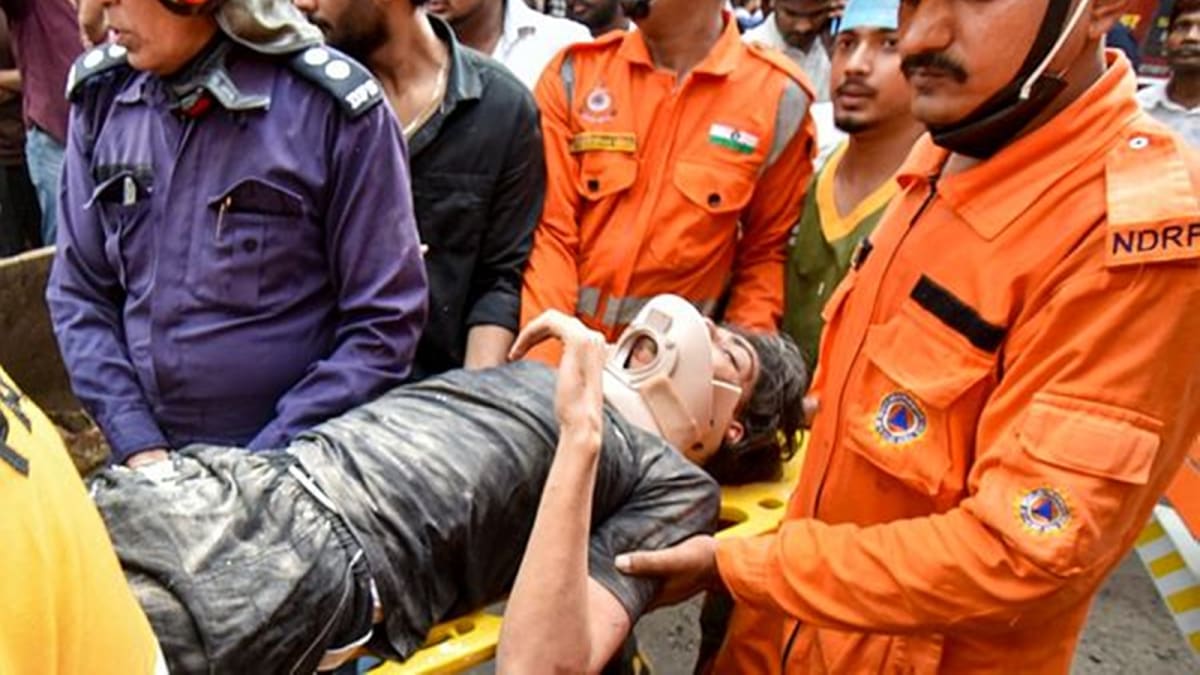
Students formed human chains to pass bricks, stone slabs, broken furniture and mattresses out of the debris field. Their quick thinking created space for professional rescuers to spot and reach trapped survivors faster when emergency teams arrived.
The coordinated effort soon expanded as Delhi Fire Services and National Disaster Response Force teams joined the rescue operation. Residents helped clear parked vehicles to make room for six cranes and specialized equipment, turning the narrow residential lane into an efficient rescue corridor.
The Ripple Effect
The spontaneous community response showcased how ordinary people can make an extraordinary difference in crisis moments. These students weren't trained responders, yet their immediate action during those crucial first minutes likely saved lives.
NDRF teams used life detectors and trained search dogs to locate survivors beneath the rubble, then carefully deployed diamond chain saws and hydraulic equipment to create safe access routes. The collaboration between local volunteers and professional rescuers proved powerful: officials rescued one person in just 15 minutes and two others within 30 minutes.
What made the difference was information. Inputs from area residents who knew the building's layout helped rescuers locate trapped survivors more quickly, turning local knowledge into a lifesaving advantage.
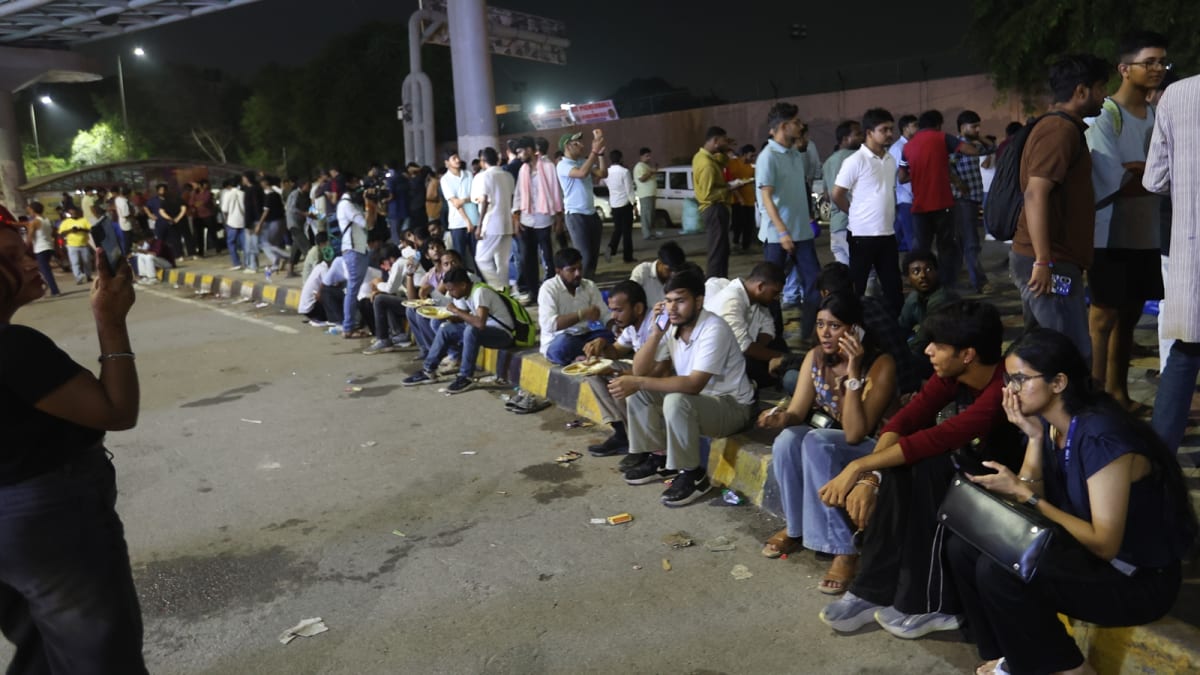
The rescue operation continued through the night, with student volunteers maintaining their presence near the site. Their willingness to stand shoulder to shoulder with neighbors, many of them strangers, reflected the deep sense of community that emerges when people face crisis together.
Ten people walked away from that collapsed building because a community refused to stand by and wait.
Based on reporting by Indian Express
This story was written by BrightWire based on verified news reports.
Spread the positivity!
Share this good news with someone who needs it