Students From 6 Countries Win Holocaust Hope Writing Contest
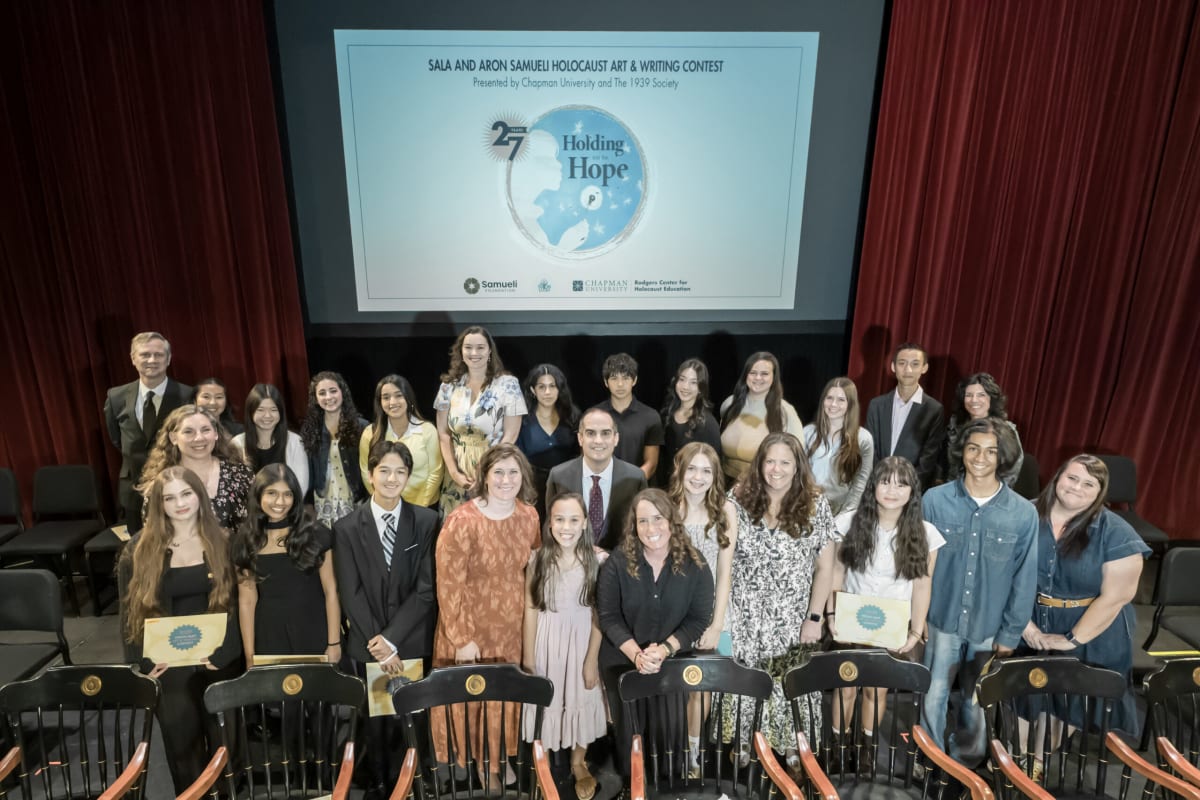
More than 200 schools across 32 states and six countries entered Chapman University's 27th annual Holocaust Art & Writing Contest, where students turned survivor stories into powerful tributes to hope. Winners presented their creative works alongside Holocaust survivors in an emotional intergenerational gathering.
Students from as far as South Africa and the Philippines gathered at Chapman University to share how Holocaust survivors taught them the meaning of hope.
The 27th annual Sala and Aron Samueli Holocaust Art & Writing Contest brought together middle and high school students who listened to testimonies from Holocaust survivors and rescuers, then created original art, films, poetry, and prose inspired by what they heard. This year's theme asked them to explore how hope helped survivors endure unimaginable hardship.
The contest drew entries from more than 200 schools across 32 states and six countries, including Canada, North Macedonia, the Philippines, Poland, Romania, and South Africa. Students worked with their teachers to dive deep into survivor testimony, selecting specific moments that reflected inner strength and resilience.
"In our exceedingly troubled world, the courage and optimism expressed by Holocaust survivors and rescuers and by the students who have responded to their work is a bright beacon," said Marilyn Harran, founding director of Chapman's Rodgers Center for Holocaust Education.
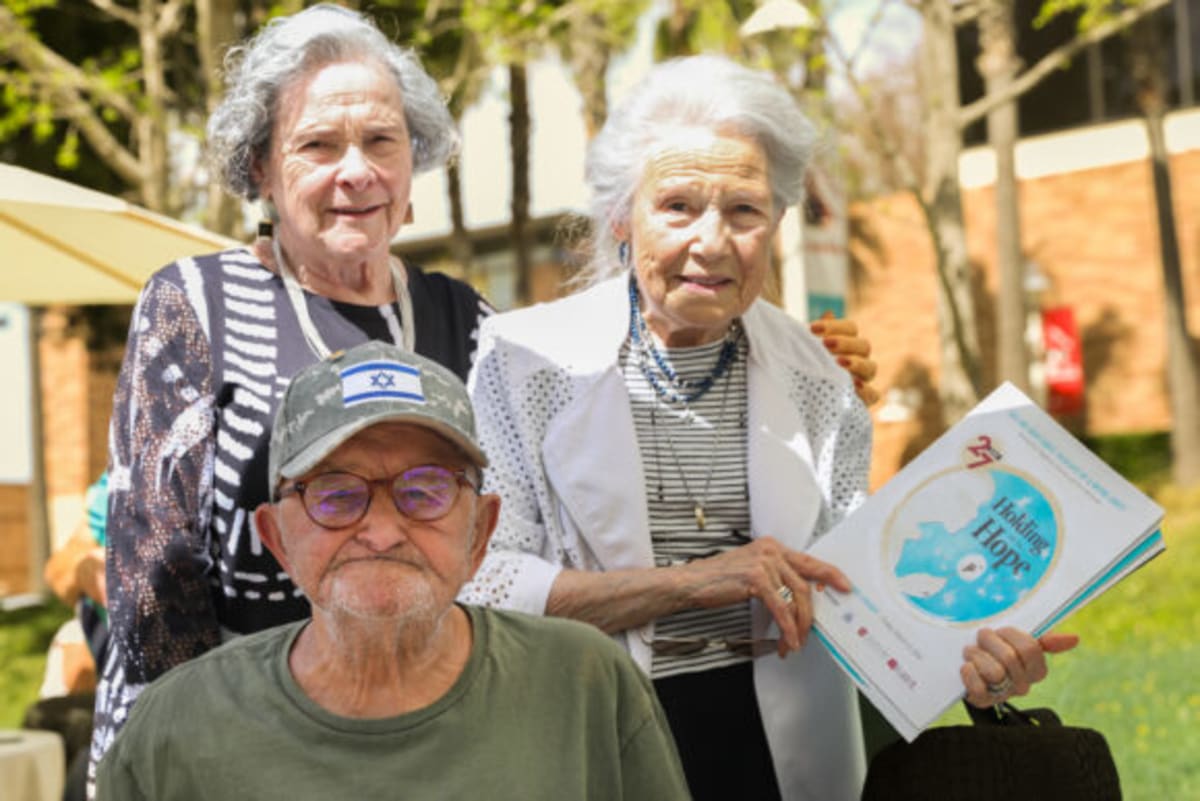
The awards ceremony created something rare and powerful. Holocaust survivors Jenny Unterman, Tova Rotlevy Cohen, and Sam Silberberg attended the event, giving students the chance to hear their stories firsthand and ask questions.
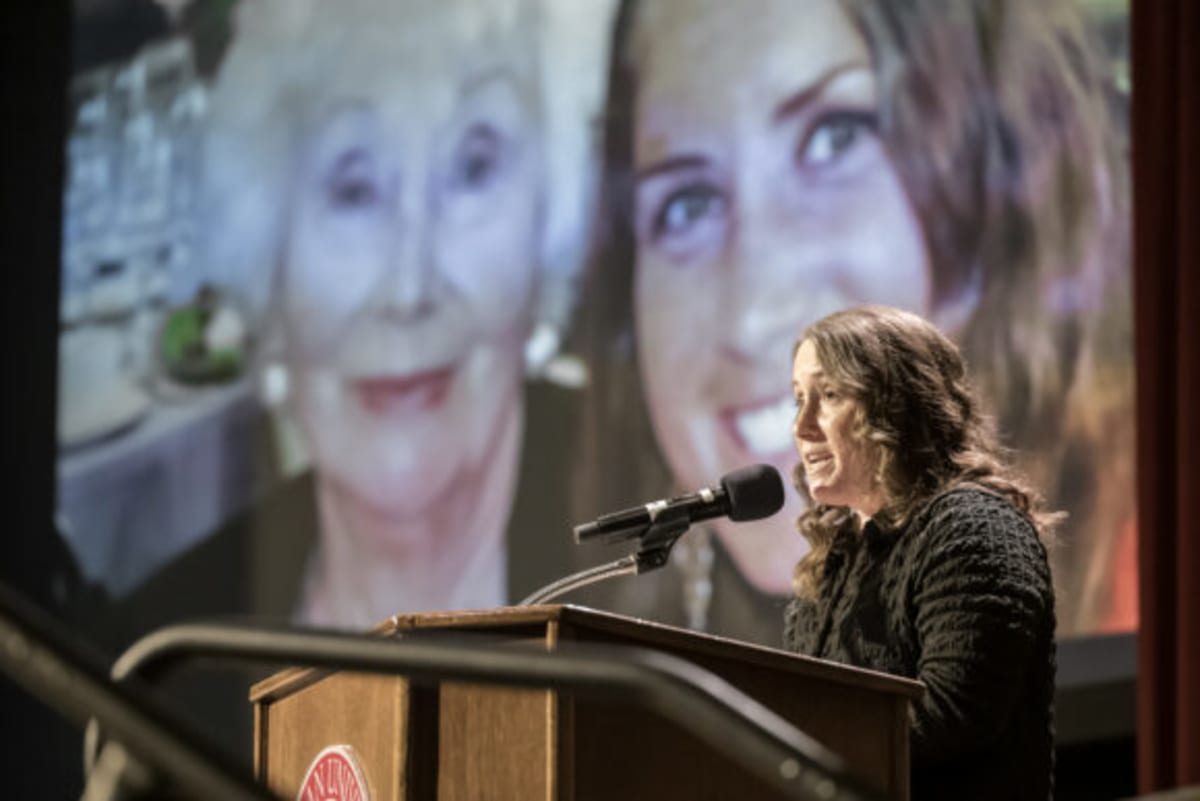
Catie Chase, a third-generation Holocaust survivor, delivered the keynote address about her grandparents Sol and Fay Chase. She explained how hope took many forms during the Holocaust, sometimes big and sometimes fleeting, sometimes just about getting through the next hour.
"Hope came from believing that loved ones might still be alive, from living for someone else, from finding meaning and purpose, and from refusing to surrender dignity," Chase told the audience. "Hope also came from the belief that someone had to survive to tell the world what had happened."
Why This Inspires
These students are doing something crucial. They're ensuring that survivor stories don't end with the survivors themselves. By transforming testimonies into art and writing, they're becoming the next generation of witnesses, carrying forward lessons about resilience, dignity, and the power of hope in the darkest times.
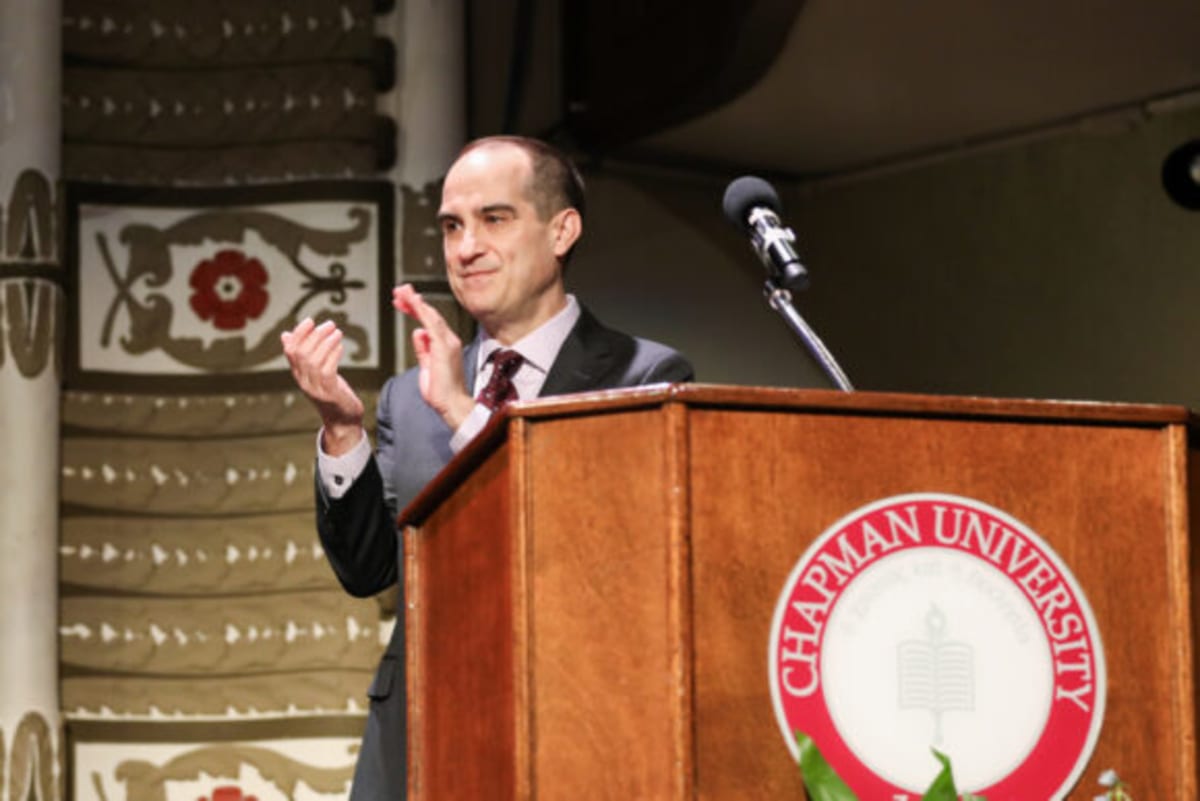
Chapman President Matt Parlow reminded students that through this connection with survivors, they now carry a deeper responsibility. "Listening to your survivor's testimony may also have strengthened your resolve to stand up and speak out against antisemitism, hate, and bigotry," he said.
Winners came from across California and beyond, including students from Texas, Maryland, and throughout Southern California. They created everything from paintings and sculptures to documentary films and original poetry, each piece a testament to what they learned from listening.
These young people are proof that hope isn't just something from history books but a living force that crosses generations and continues to inspire.
More Images
Based on reporting by Google: survivor story
This story was written by BrightWire based on verified news reports.
Spread the positivity!
Share this good news with someone who needs it