Students Learn Peacebuilding in Post-War Timor-Leste
University students from nine Asian countries spent two weeks in Timor-Leste learning conflict resolution from survivors and political leaders. The program brought young leaders face to face with the real work of building peace after war.
Students from across Asia are learning how to build peace by meeting the people who lived through war and fought for freedom.
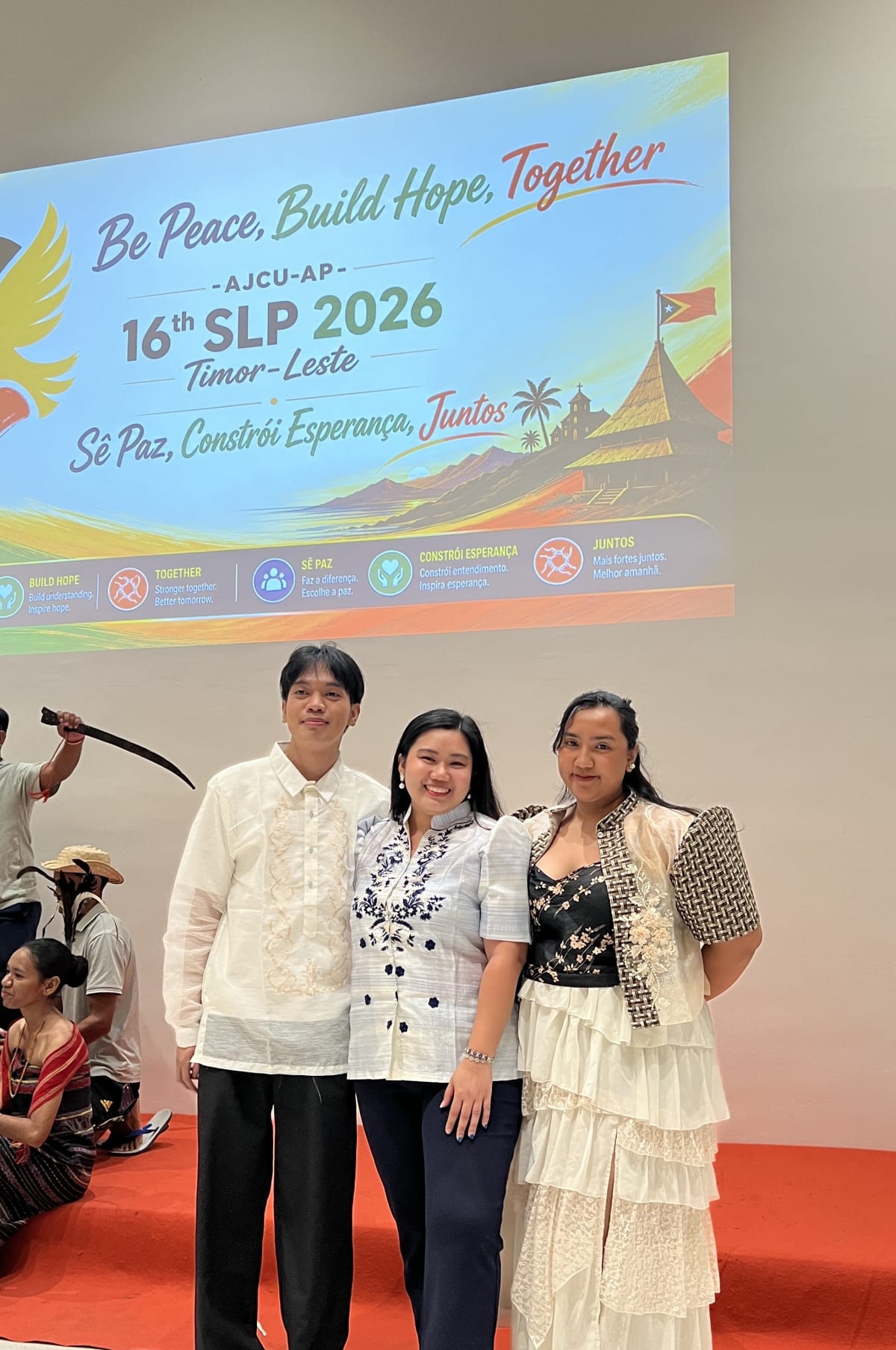
The Association of Jesuit Colleges and Universities brought together students from nine universities for two weeks in Timor-Leste, one of the world's youngest countries. They studied peacebuilding in a nation still healing from decades of conflict.
The program took students beyond lecture halls and into living history. They met President José Ramos-Horta and Prime Minister Kay Rala Xanana Gusmão, both heroes of Timor-Leste's independence movement. Both leaders shared a powerful message: lasting peace comes from the ground up, rooted in education and community.
Students also spent three days living with families who survived the war. They heard firsthand stories of conflict, loss, and rebuilding. These weren't abstract lessons from textbooks but real conversations with people who transformed their country.
Representatives from Ateneo de Manila University joined students from Hong Kong, Japan, Thailand, Indonesia, and other nations. Together they participated in workshops with peacebuilders, conflict survivors, civil society groups, and local politicians.
The Ripple Effect
This program creates more than academic credit. It builds a network of young leaders who understand peace as more than the absence of war.
Student delegate Nadinne Aro spoke on national television in Timor-Leste, representing her fellow participants. The visibility shows how seriously the host country takes this exchange of knowledge and hope.
These students return home with relationships that cross borders and a deeper understanding of what reconciliation requires. They've seen how education, dialogue, and patience can heal even the deepest wounds.
The program ended with cultural performances celebrating the diversity of participating nations. Students who arrived as strangers left as collaborators in the long work of peace.
Young people trained in conflict resolution today become the diplomats, teachers, and community leaders of tomorrow.
Based on reporting by Google News - Reconciliation
This story was written by BrightWire based on verified news reports.
Spread the positivity!
Share this good news with someone who needs it