Students Turn Data Center Heat Into Smart Farms in 24 Hours
University students in South Korea just solved two climate problems at once during their first-ever energy hackathon. The winning team figured out how to redirect wasted data center heat to power sustainable farming systems.
What if the heat constantly pumping out of data centers could grow tomorrow's food instead of warming the planet? That's exactly what three students at the University of Utah's campus in Incheon, South Korea figured out during a 24-hour challenge that turned classroom theory into real-world climate solutions.
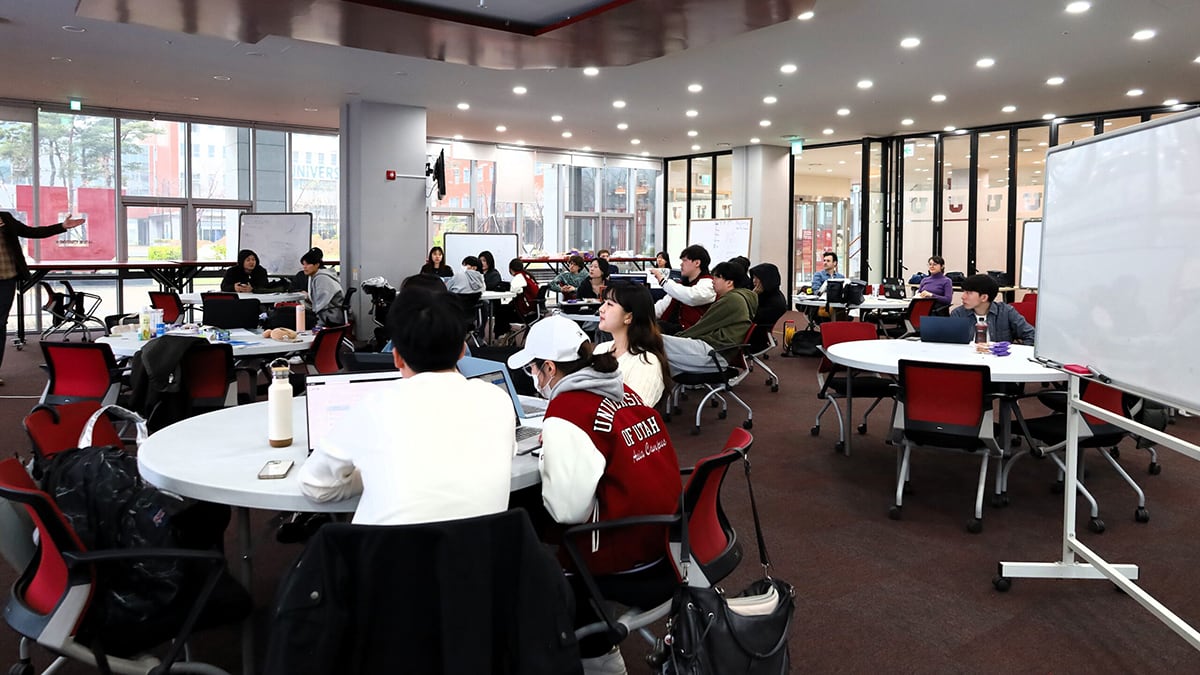
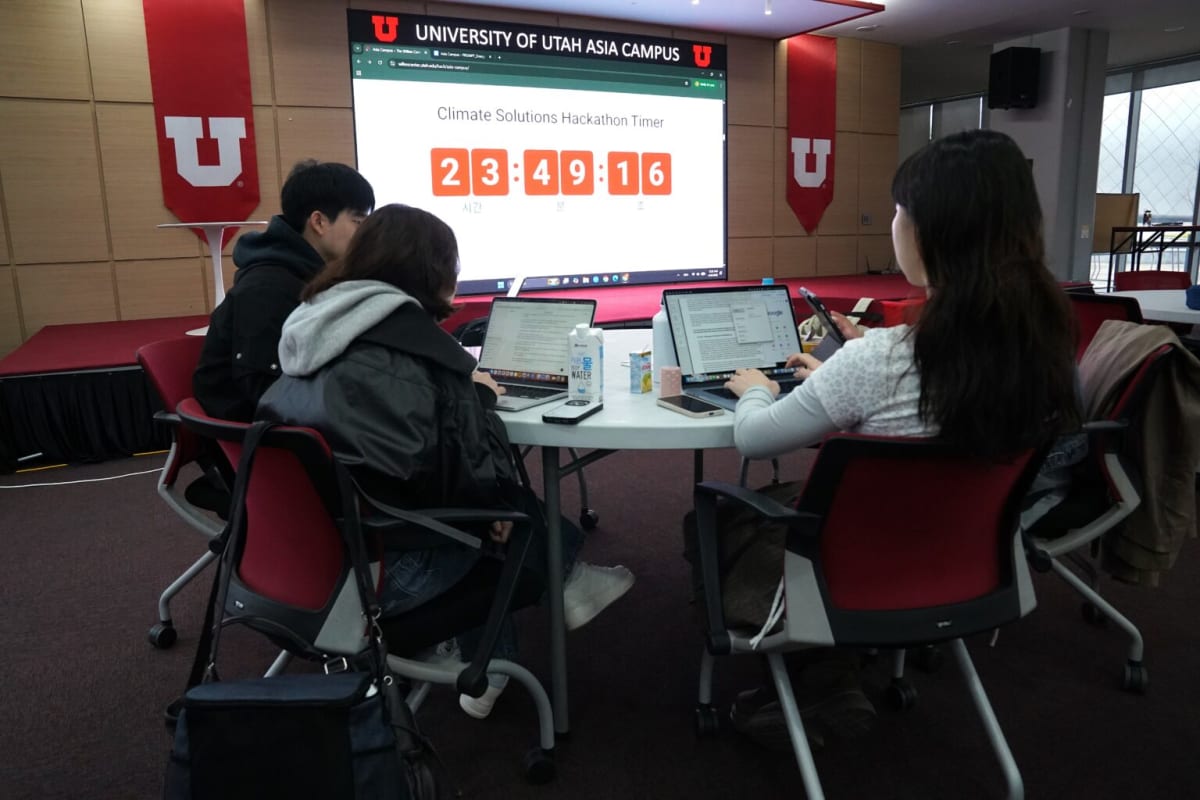
From April 9 to 10, students gathered for their campus's first Energy & Climate Solutions Hackathon. The Wilkes Center for Climate Science & Policy brought together future urban planners, business leaders, computer scientists, and game designers with one mission: develop practical solutions to pressing energy and climate problems in just one day.
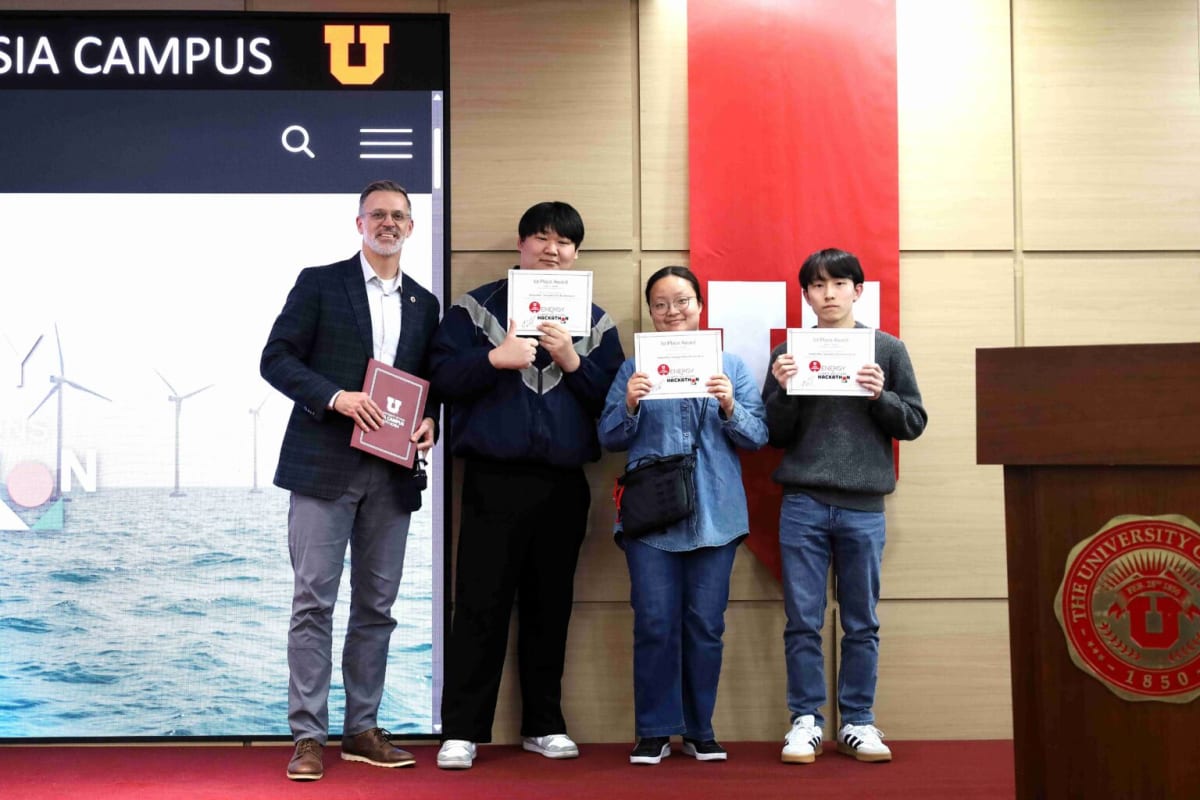
The winning team called themselves "Reuse to Reduce." Suhyun Bae, Seungwon Cha, and Eunchong Jin proposed repurposing waste heat from data centers to power smart farming systems. Their idea tackled two challenges simultaneously: reducing energy waste from our growing digital infrastructure while creating sustainable food production.
"We wanted to find a way to reuse energy that's typically wasted," the team shared. "Working with teammates from different backgrounds helped us turn a rough idea into something more concrete."
The hackathon pushed students beyond textbooks and lectures. Teams had to define a challenge, design a viable solution, and pitch it convincingly under serious time pressure. Ross Chambless, community engagement manager at the Wilkes Center, emphasized the real-world value: "Climate change isn't theoretical. Students need opportunities like this to engage with it directly."
Four teams won prizes totaling $1,000, including awards for second and third place plus best presentation. But the competition was never just about money.
The Ripple Effect
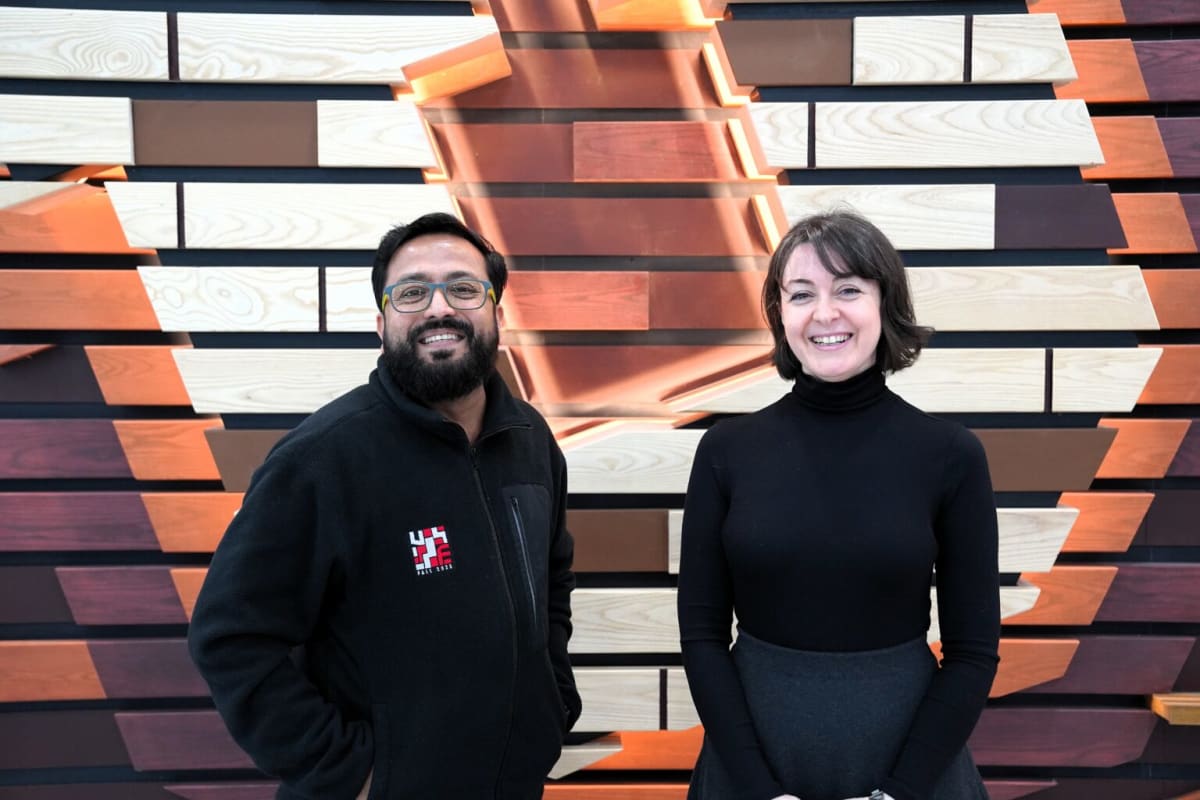
Faculty members saw something bigger happening during those 24 hours. "Energy and climate challenges are some of the most complex issues cities face today," said Reazul Ahsan, program lead of urban ecology at the Asia Campus. Watching students from completely different fields collaborate on grounded, creative solutions showed the power of interdisciplinary thinking.
Professor Idil Ayral agreed that mixing perspectives made the difference. When urban ecology students work alongside game designers and business majors, they bring different tools to the same problem.
The hackathon represents just the beginning for the university's global climate work. Organizers are already planning future events that could connect winning teams to entrepreneurship programs or international platforms where student ideas might actually get built.
These students didn't just compete for prizes. They proved that the next generation is ready to transform how we think about waste, energy, and sustainability.
More Images
Based on reporting by Google News - Climate Solution
This story was written by BrightWire based on verified news reports.
Spread the positivity!
Share this good news with someone who needs it