Students Turn NASA Data Into Tools to Fight Mosquito Spread
Over 50 people spent a day transforming NASA's environmental data into practical tools for tracking mosquito habitats and protecting public health. The winning projects created apps and maps that could help communities prevent disease outbreaks.
Students, researchers, and community members are proving that you don't need a lab coat to do NASA science.
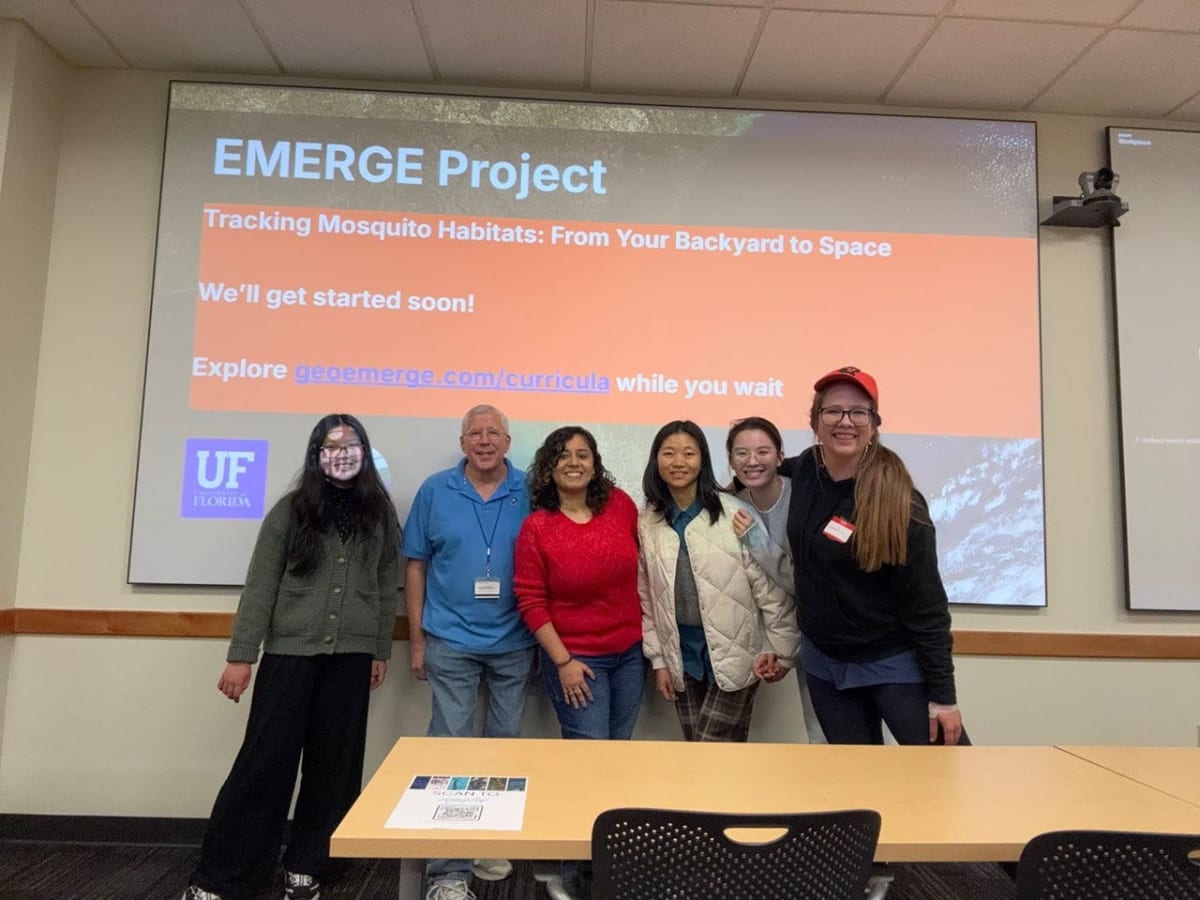
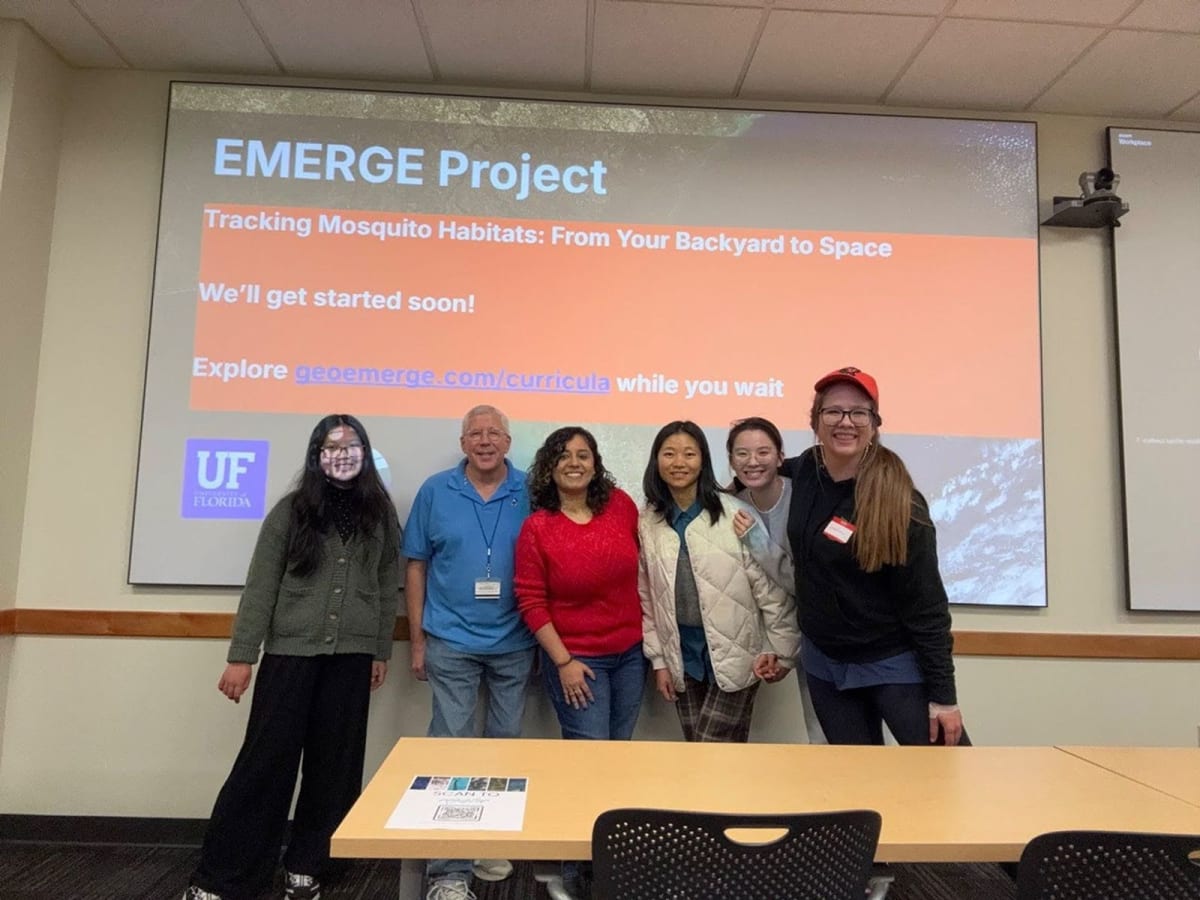
On January 31st, the University of Florida's Marston Science Library hosted the EMERGE NASA Data Hackathon, where 13 teams spent the day building real solutions to environmental challenges. Armed with smartphones and NASA's GLOBE Observer app, participants turned volunteer-collected data on mosquito habitats, land cover, and weather patterns into practical mapping tools and public health dashboards.
The GLOBE Observer app lets anyone with a phone become a citizen scientist by collecting environmental data from their own backyard. These observations from people around the world create massive datasets that researchers can use to track everything from disease vectors to climate patterns.
Teams ranged from complete beginners to advanced data scientists, but everyone focused on the same goal: making environmental data more useful for everyday people. One winning team created the Mosquito Tracker app to simplify how people report breeding sites. Another built an Epidemiological Vector Mapping System to help predict where disease outbreaks might occur.
The hackathon was organized by the University of Florida's Geospatial Digital Informatics Lab, SciStarter (the world's largest citizen science database), and Florida Community Innovation, a nonprofit that builds free tools for communities. NASA provided support through its Citizen Science Seed Funding Program, which helps scientists develop new ways to involve the public in research.
Participants had access to a digital textbook explaining how to download, process, and analyze GLOBE Observer data. By the end of the day, teams had created working prototypes that ranged from improved user interfaces to complex mapping systems tracking mosquito populations worldwide.
The Ripple Effect
The real impact extends far beyond one day of coding. Florida Community Innovation meets every Wednesday at 6 p.m. EDT to match volunteers with ongoing projects, from building recycling education games for Miami-Dade to creating AI tools for social workers in Orlando.
The organizers are now recruiting volunteers to help plan future EMERGE hackathons, with the goal of making these events more accessible and responsive to local community needs. Committee members will receive a small payment for their work.
Anyone can download the GLOBE Observer app today and start contributing to NASA research from their own neighborhood. Every observation about mosquito habitats, tree heights, or cloud cover adds to a global dataset that scientists use to understand our changing planet.
The winning projects prove that powerful solutions emerge when you give people access to good data and a chance to solve problems they care about.
More Images

Based on reporting by NASA
This story was written by BrightWire based on verified news reports.
Spread the positivity!
Share this good news with someone who needs it