Students Win 36-Day Protest, Force Minister to Resign
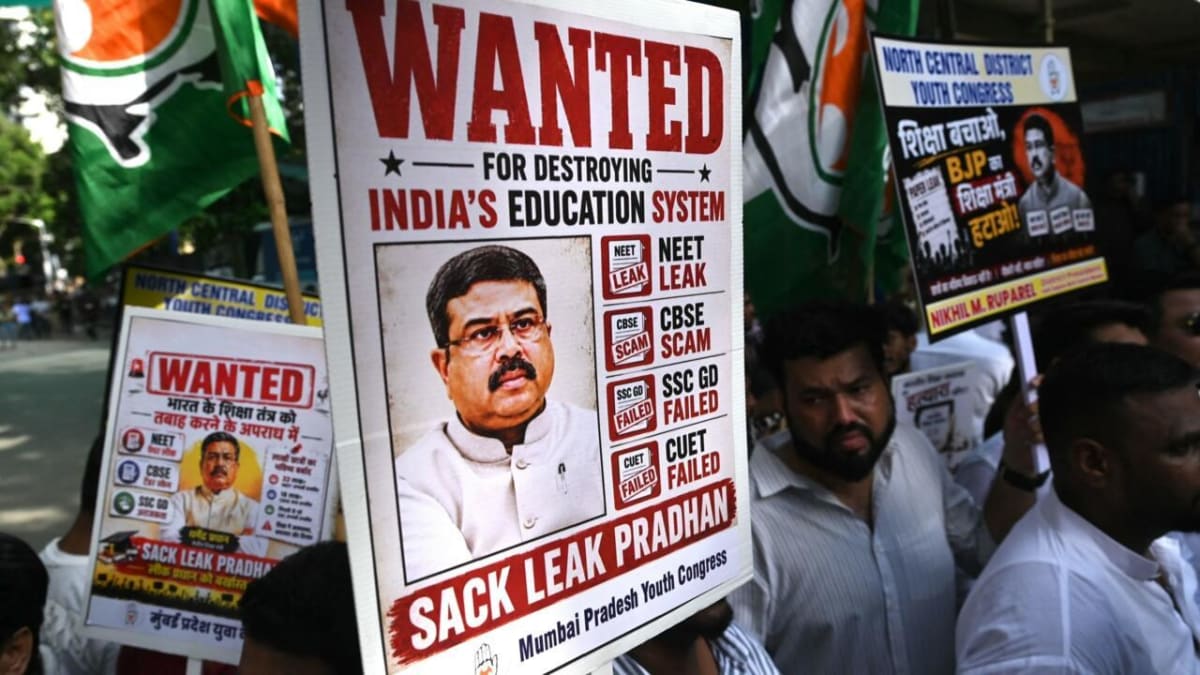
After 36 days of peaceful protest, Indian students successfully demanded the resignation of Education Minister Dharmendra Pradhan following a major exam leak scandal. The victory marks a historic moment for youth activism in a country where the government rarely backs down.
When news broke that India's Education Minister had resigned, Abhijeet Dipke dropped to his knees in shock and joy.
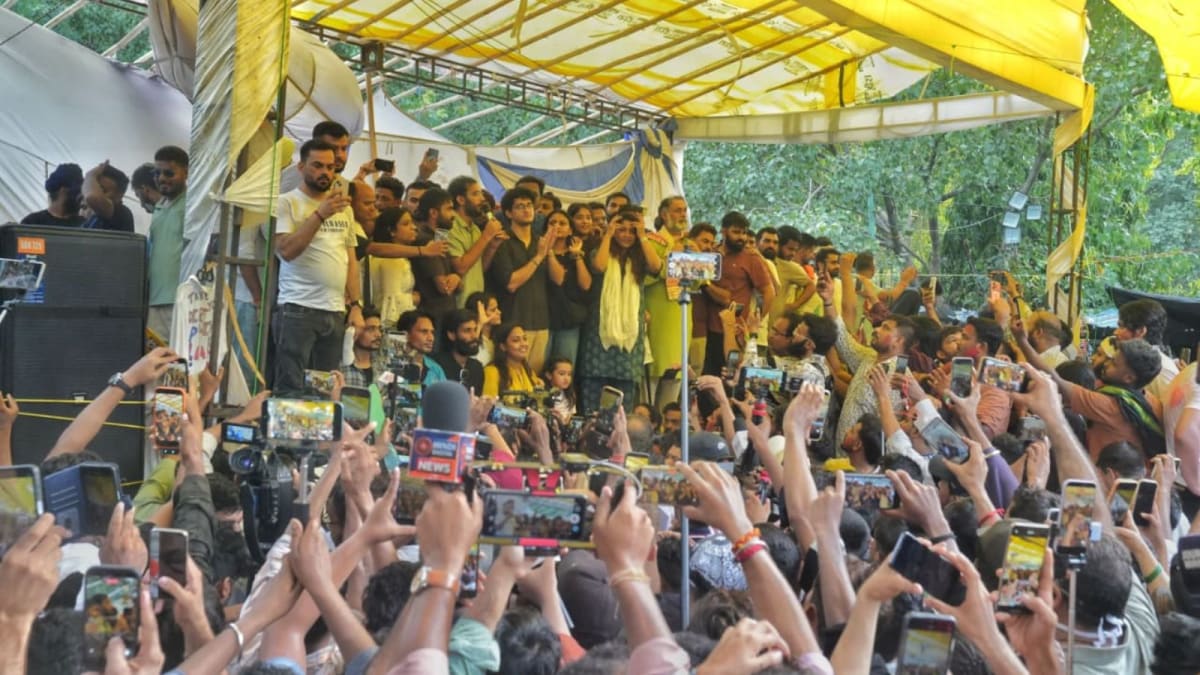
For 36 days, students and activists had camped at Jantar Mantar in New Delhi, demanding justice after a leaked exam paper forced the cancellation of the national medical entrance test. The stress had driven several students to take their own lives. Now, their peaceful protest had achieved what many said was impossible.
"We have done it. We have bloody done it," Dipke told the crowd of students and volunteers who had weathered rain, police pressure, and cut water supplies to stay at the protest site.
The Cockroach Janta Party founder had taken up a hunger strike after activist Sonam Wangchuk was hospitalized on June 18. Through meetings with government ministers and a violent police crackdown on July 20, the protesters refused to back down. Their three demands remained clear: the minister's resignation, compensation for families who lost children, and dropped charges against protesters.
Pradhan announced his resignation in an open letter on social media Saturday afternoon. By evening, all three demands had been met.
The win represents more than one minister stepping down. Students from different religious backgrounds united around education reform, proving that young people could force change when they stood together on issues that mattered to their futures.
The Ripple Effect
The movement has already inspired youth across India to believe in collective action again. Students who watched the protest unfold online are organizing around education transparency and employment issues in their own communities.
The government's decision to meet all three demands sends a powerful message that peaceful persistence works, even against administrations known for refusing to bend under pressure.
Dipke was quick to reject hero worship, warning supporters against making any single person the face of the movement. "The country has been ruined because one person has been made a hero," he told the crowd, urging them to focus on systemic change rather than individual leaders.
The 36-day protest proved that when young people talk about education, jobs, and their futures instead of divisive politics, real change becomes possible. Families of students who died amid the exam scandal finally received acknowledgment and compensation. Cases against protesters were dropped. And a system that seemed unmovable shifted.
Student movements worldwide face the same challenge: making governments listen when they seem determined not to. This victory shows that sustained, peaceful pressure and clear demands can break through even the most stubborn resistance.
Based on reporting by Indian Express
This story was written by BrightWire based on verified news reports.
Spread the positivity!
Share this good news with someone who needs it