Sunlight Turns Plastic Waste Into Vinegar Ingredient
Scientists at the University of Waterloo discovered how to transform plastic pollution into acetic acid using only sunlight, offering a breakthrough solution that tackles waste without releasing carbon dioxide. The nature-inspired process works on common plastics found in oceans and waterways, turning environmental harm into useful products.
Imagine if the plastic bottles clogging our oceans could become ingredients for food production just by sitting in the sun. That future just got a lot closer thanks to researchers who figured out how to turn plastic waste into acetic acid, the main component of vinegar, using nothing but sunlight.
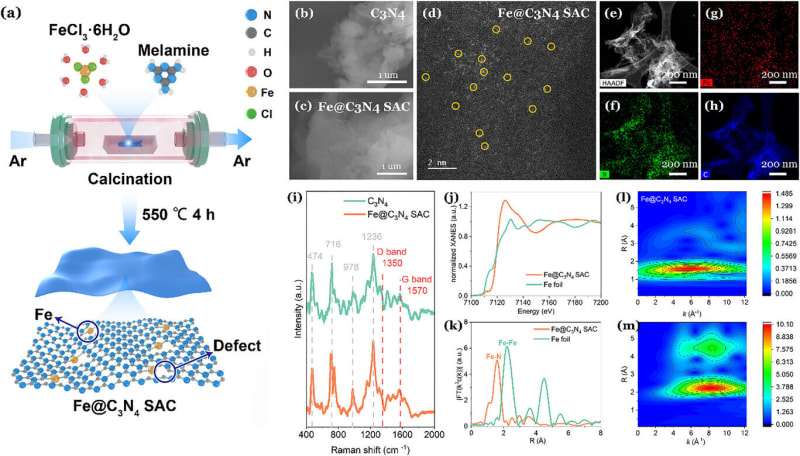
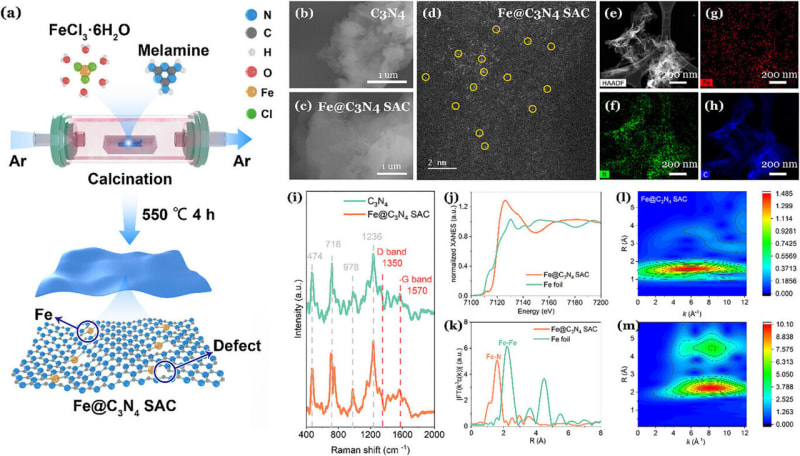
Dr. Yimin Wu and his team at the University of Waterloo developed a process inspired by how fungi break down organic matter in nature. They embedded iron atoms in carbon nitride to create a material that acts like a natural enzyme when sunlight hits it.
The breakthrough tackles one of our planet's most pressing problems. Microplastics have spread across every ecosystem on Earth, threatening wildlife and potentially human health. Traditional solutions like burning plastic create harmful emissions, but this new approach adds zero carbon dioxide to the atmosphere.
The process works in water, making it especially useful for cleaning up plastic pollution in rivers, lakes, and oceans. When the special material absorbs sunlight, it triggers chemical reactions that break down plastic polymers at the molecular level and transform them into acetic acid.
What makes this discovery even more exciting is its versatility. The team tested it on common plastics including PVC, polypropylene, polyethylene, and PET (the kind used in water bottles). It works effectively even when different types of plastics are mixed together, which matches real-world conditions where waste streams contain various materials.
Acetic acid isn't just vinegar for your kitchen. Industries use it widely in food production, chemical manufacturing, and energy applications. Creating it from plastic waste could turn pollution into profit while cleaning up the environment.
The Ripple Effect
This innovation could reshape how we handle plastic waste on multiple fronts. Instead of letting plastics break down into harmful microparticles that persist for centuries, we could capture them and convert them into valuable chemicals. The process uses free, abundant solar energy rather than fossil fuels.
Roy Brouwer, executive director of the Water Institute and co-author of the study, analyzed the economic potential. He found promising financial benefits from both business and societal perspectives, suggesting this could become commercially viable.
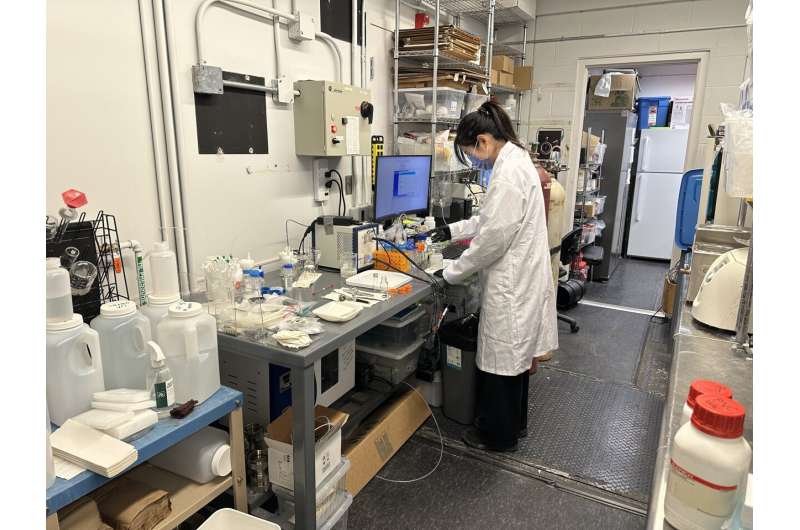
PhD student Wei Wei, who led the research, demonstrated the process works at the laboratory scale. The team is now exploring how to engineer the materials and manufacturing processes to scale up production. They envision solar-driven recycling facilities that could process plastic waste while producing useful chemical products.
The research represents more than just another recycling method. It offers a circular solution where waste becomes a resource, addressing environmental cleanup and chemical production simultaneously without adding to climate change.
This sunlight-powered transformation proves that nature-inspired solutions can tackle even our most stubborn pollution problems.
More Images

Based on reporting by Phys.org
This story was written by BrightWire based on verified news reports.
Spread the positivity!
Share this good news with someone who needs it