%2Fhttps%3A%2F%2Ftf-cmsv2-smithsonianmag-media.s3.amazonaws.com%2Ffiler_public%2F93%2Ff1%2F93f122da-1412-426e-a07e-e6398c36bdca%2Fbrain1940__fitmaxwzk3mcw2ntbd.jpg)
Super-Agers Have 2X More Brain Cells at 80 Than Peers
Scientists studying donated brains discovered that people in their 80s with exceptional memory have twice as many new neurons as their peers. The finding suggests our aging brains can regenerate far more than previously thought.
Your brain might be capable of growing fresh cells well into your 80s and beyond, according to groundbreaking research that could change how we think about aging.
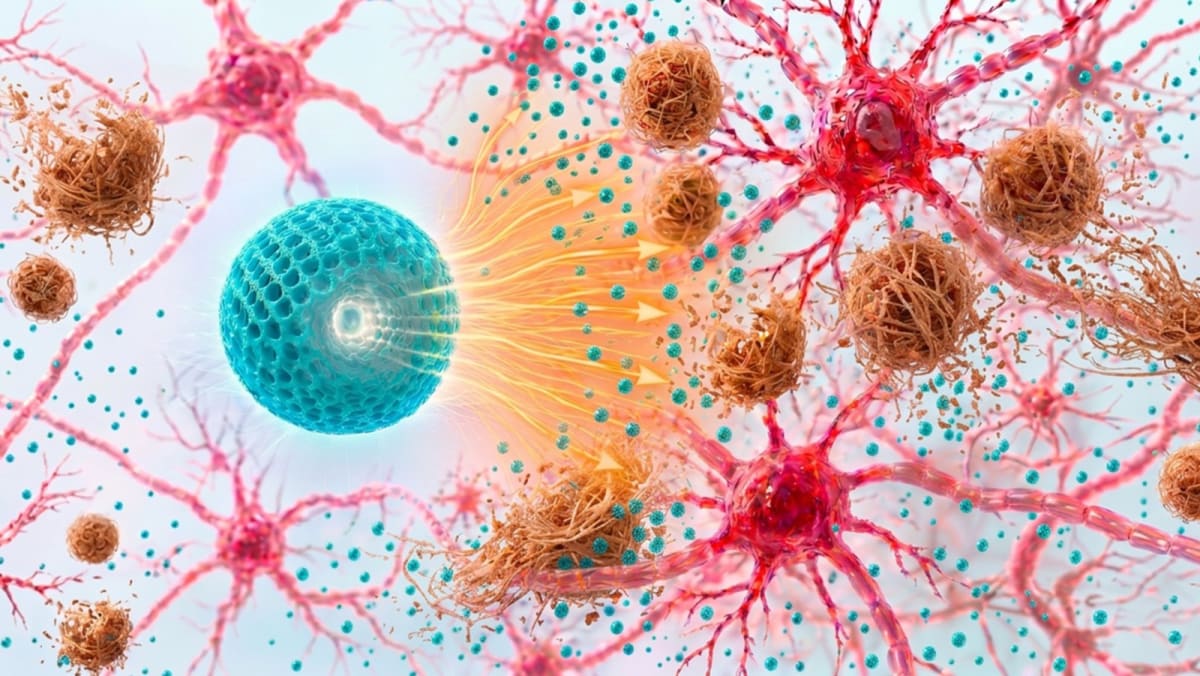
Scientists at Northwestern University examined 38 donated brains and found something remarkable. Adults over 80 with outstanding memory had twice as many brand new neurons in their hippocampus, the brain's memory center, compared to others their age.
These special individuals, called super-agers, can recall everyday events and personal experiences as easily as people in their 50s. Their secret appears to lie in their brains' ability to keep producing fresh nerve cells, a process called neurogenesis that scientists once thought sharply declined after childhood.
The study, published in Nature, compared brains from super-agers against those from people with normal aging, early dementia, Alzheimer's disease, and younger adults aged 20 to 40. Super-agers didn't just beat their elderly peers. They had more immature brain cells than even some of the younger adults.
Two specific cell types seem crucial to this extraordinary cognition. CA1 neurons help form and retrieve memories, while support cells called astrocytes help brain cells communicate and stabilize memories.
Why This Inspires
This research fundamentally challenges the idea that cognitive decline is inevitable. The aging brain isn't just slowly shutting down. In super-agers, it's actively building and maintaining itself.
Study co-author Changiz Geula points out that genetic programs supporting brain cell survival stay switched on in super-agers but turn off in Alzheimer's patients. This suggests our brains have untapped potential we're only beginning to understand.
The study has limitations. Each group included ten or fewer people, and the evidence remains indirect since scientists can't watch individual cells transform in real time. Some experts recommend taking the results with caution.
But the door has opened. Researchers now want to understand what these newborn neurons actually do in adult brains, which will require entirely new research techniques.
The takeaway is powerful: our brains may have far more capacity for renewal than we ever imagined.
More Images
%2Fhttps%3A%2F%2Ftf-cmsv2-smithsonianmag-media.s3.amazonaws.com%2Ffiler_public%2F93%2Ff1%2F93f122da-1412-426e-a07e-e6398c36bdca%2Fbrain1940__fitmaxwzk3mcw2ntbd.jpg)
%3Afocal(485x328%3A486x329)%2Fhttps%3A%2F%2Ftf-cmsv2-smithsonianmag-media.s3.amazonaws.com%2Ffiler_public%2F93%2Ff1%2F93f122da-1412-426e-a07e-e6398c36bdca%2Fbrain1940__fitmaxwzk3mcw2ntbd.jpg)

%2Fhttps%3A%2F%2Ftf-cmsv2-smithsonianmag-media.s3.amazonaws.com%2Faccounts%2Fheadshot%2FSara_-_Headshot_thumbnail.png)
Based on reporting by Smithsonian
This story was written by BrightWire based on verified news reports.
Spread the positivity!
Share this good news with someone who needs it