Supercooled Kidneys Could Save Thousands on Transplant Lists
Scientists have invented a device that keeps kidneys fresh for days instead of hours, potentially saving thousands of lives lost to organ shortages. Pig trials show the breakthrough works without damaging tissue.
Every year, thousands of people die waiting for kidney transplants because donated organs deteriorate within hours of leaving the donor's body. Now scientists have cracked a problem that's stumped researchers for decades: how to keep organs fresh for days instead of hours.
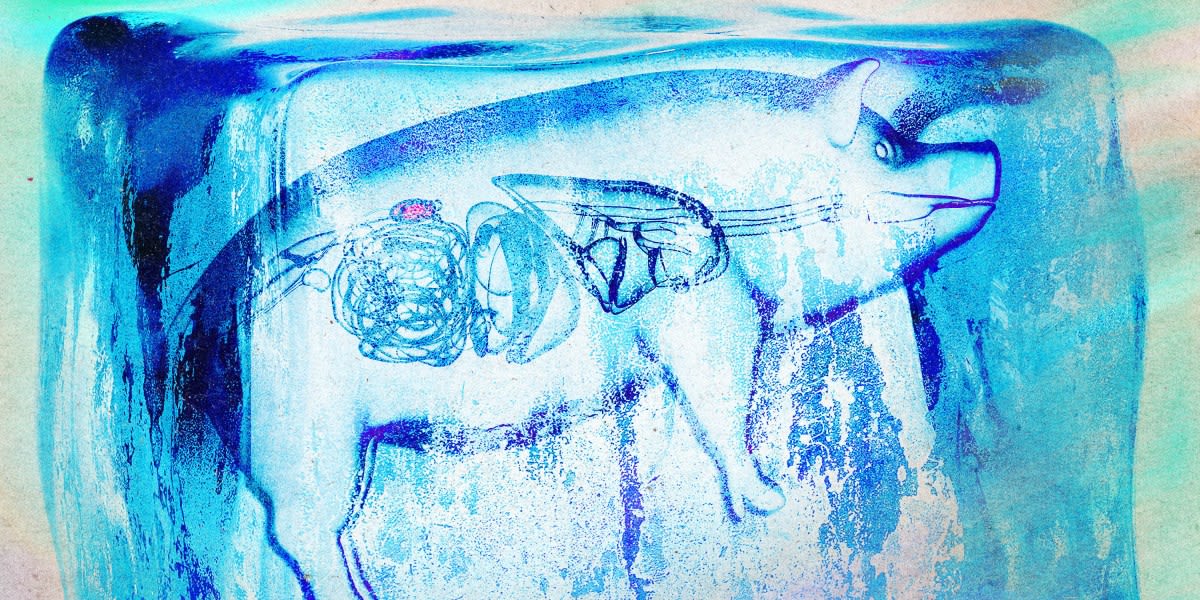
A new device keeps kidneys at -4 °C (25 °F) without forming ice crystals, which normally destroy tissue. In landmark trials, researchers preserved pig kidneys for days and successfully transplanted them with no damage.
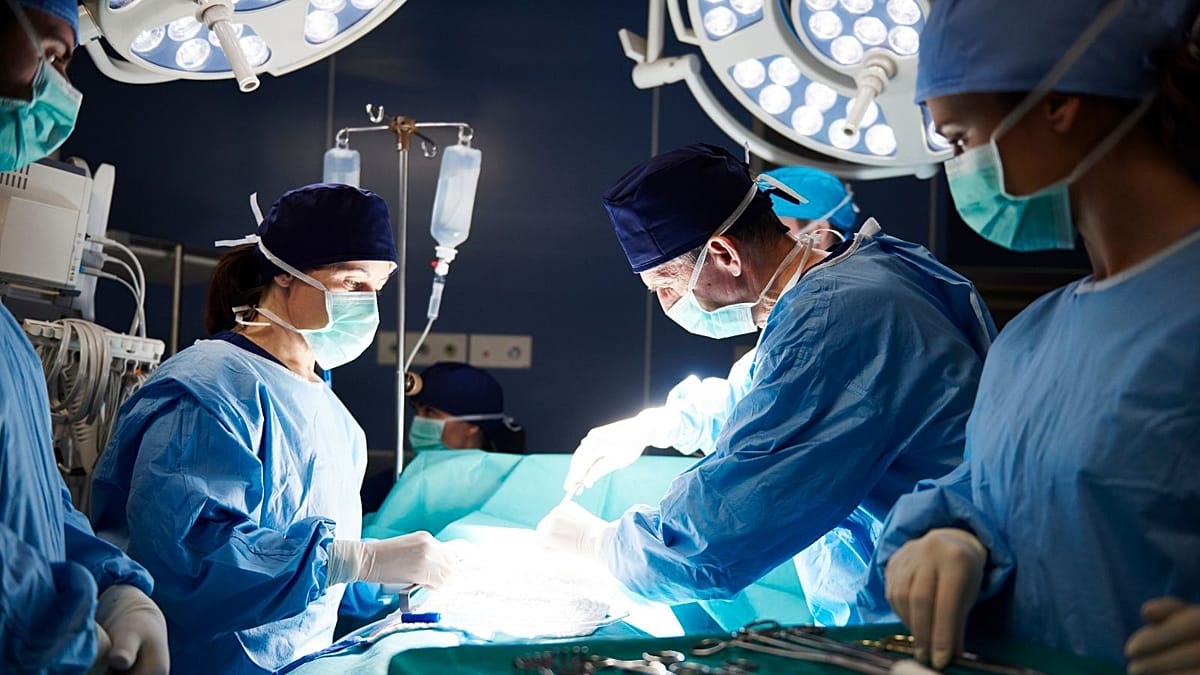
The breakthrough solves medicine's cruelest clock. Surgeons currently have just hours to match donors with recipients, transport organs across distances, and complete complex surgeries. Kidneys sit on ice at 4 °C during this race, slowly deteriorating.
Freezing seemed like the obvious answer, but previous attempts always failed. Ice crystals would form inside the delicate tissue, rupturing cells and rendering organs useless. Scientists needed a way to reach freezing temperatures without actually freezing the tissue.
The new preservation device maintains organs in a supercooled state where they're cold enough to pause deterioration but don't form destructive ice. Think of it like those party trick videos where someone opens a supercooled water bottle and it instantly freezes when disturbed, except here the kidneys stay liquid.
Researchers tested the technology by preserving pig kidneys, then transplanting them. The organs worked perfectly, showing no signs of ice damage or reduced function. The pigs recovered normally, just as if they'd received fresh organs.
The Ripple Effect
This technology could transform organ donation worldwide. Longer preservation times mean doctors can match organs with better-suited recipients instead of whoever's closest. Rural patients would have the same access as those near major transplant centers.
More time also means better testing. Surgeons could thoroughly screen organs for disease or damage instead of making split-second decisions. Researchers estimate this could increase the usable organ supply by 20 to 30 percent simply by preventing rushed mistakes.
The technology might extend beyond kidneys too. Hearts, livers, and lungs all face the same deterioration problem. If supercooling works across organ types, it could help the 100,000 Americans currently waiting for transplants.
The team is now working toward human trials, adapting their device for clinical use. They're also exploring whether organs could be preserved even longer at slightly lower temperatures.
For families who've lost loved ones too soon because an organ didn't arrive in time, this innovation offers something powerful: hope that future patients won't face the same heartbreak.
More Images

Based on reporting by MIT Technology Review
This story was written by BrightWire based on verified news reports.
Spread the positivity!
Share this good news with someone who needs it