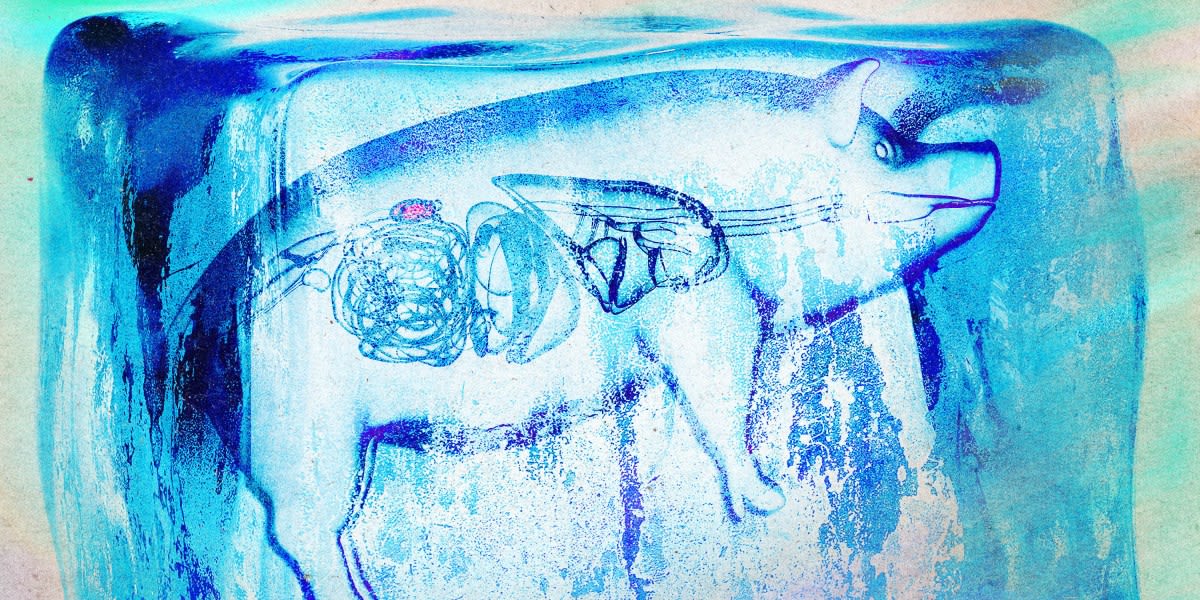
Supercooled Kidneys Last 3 Days, Could Save Thousands
Scientists kept pig kidneys healthy for three days at below-freezing temperatures without ice damage, then successfully transplanted them. The breakthrough could help save thousands of the 17 people who die daily in the US waiting for kidney transplants.
Every day in America, 17 people die waiting for a kidney transplant, and many donated organs never reach patients because they degrade too quickly. A team at Texas A&M University just tripled how long kidneys can be preserved, and the organs work even better than those stored the old way.
Matthew Powell Palm and his colleagues created a device that keeps kidneys at 25°F without forming damaging ice crystals. The secret is constant pressure that prevents freezing, combined with solutions already used in transplants today.
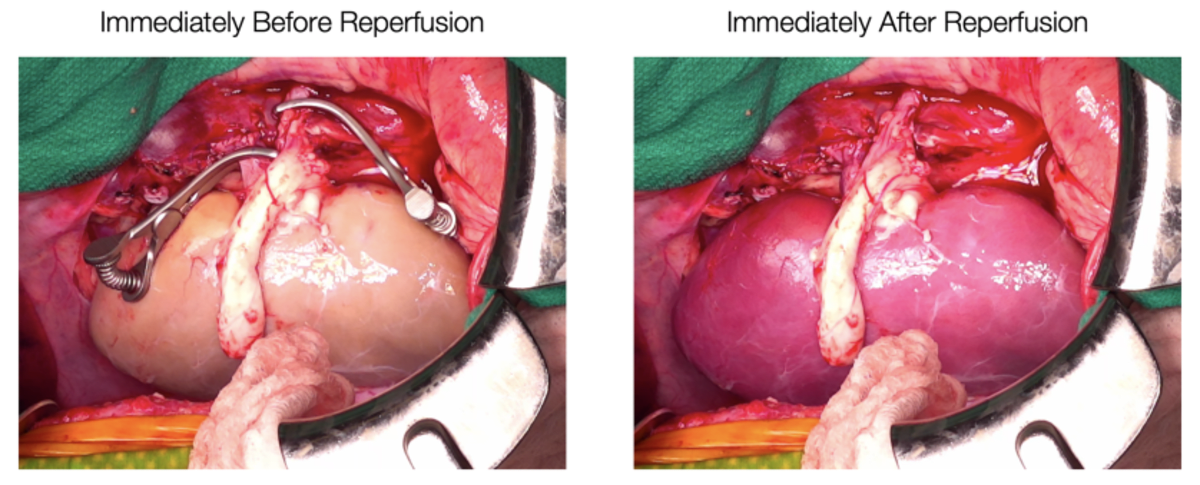
The team removed kidneys from pigs and stored them in their chamber for up to 72 hours. They then transplanted the organs back into the same pigs, removing each animal's second kidney to test whether the stored one could sustain life.
The results surprised even the researchers. Kidneys stored for 24 hours in the supercooled chamber started producing urine immediately after transplant and recovered to normal function within 10 days.
Even kidneys kept cold for three days, triple the current standard, recovered faster than organs stored on ice for just 24 hours using today's methods. "We're really, really pumped about this," says Powell Palm.
Heidi Yeh, a transplant surgeon at Mass General Brigham who wasn't involved in the study, called the work impressive. Kidneys stored 48 hours in other studies typically take one to two weeks before they start working again.
The supercooled organs didn't just survive. Over 30 days, the pigs grew by 30%, and their transplanted kidneys grew with them, nearly doubling in size to compensate for both the animals' growth and the missing second kidney.
One pig was monitored for 200 days. Its kidney still looked completely healthy when researchers examined it.
The Ripple Effect
More than 104,000 Americans are waiting for kidney transplants right now. In some years, one in three donated kidneys gets discarded because they degrade before reaching recipients.
The current system gives doctors roughly 24 hours to match an organ, coordinate logistics, and complete surgery. That narrow window means many viable organs go to waste and potential recipients never get the call.
Tripling that timeframe could change everything. Surgeons could better match donors with recipients, transport organs across longer distances, and schedule surgeries during optimal conditions rather than racing against the clock.
Kevin Myer, president of Texas organ procurement organization LifeGift, called the research "a landmark achievement." Powell Palm describes his invention as "low-tech high science," noting that while the physics involved required deep understanding, the device itself is surprisingly simple.
The team presented their findings at the American Transplant Congress in Boston last month and continues working toward human trials.
Thousands of families waiting for life-saving transplants may soon have real hope that a matching kidney will reach them in time.
More Images
Based on reporting by MIT Technology Review
This story was written by BrightWire based on verified news reports.
Spread the positivity!
Share this good news with someone who needs it