%2Fhttps%3A%2F%2Ftf-cmsv2-smithsonianmag-media.s3.amazonaws.com%2Ffiler_public%2F92%2F1d%2F921dc374-286e-4958-af39-60fa2c33e07e%2Fjournalpone0349669g004.png)
Superworms Clean Museum Skeletons in Hours, Not Weeks
Scientists discovered that beetle larvae called superworms can clean animal skeletons faster, cheaper, and safer than traditional methods. Museums could soon use these gentle but efficient critters to prepare specimens for display.
A leftover chicken bone from lunch just revolutionized how museums prepare animal skeletons for display.
Researchers at Germany's State Museum of Natural History Stuttgart made the discovery by accident. They normally fed their superworm colony vegetable scraps, but one day they ran out and tossed in a chicken bone instead. The larvae stripped it clean so quickly that the team wondered if these creatures could replace the time-consuming methods museums currently use.
They decided to test it. The team tried superworms on eight different animal species, from house mice to gray wolves to alligator gar. After some trial and error, they found the perfect ratio: 10 to 15 superworms for every gram of carcass.
The results surprised them. Using their powerful jaws, the larvae cleaned skeletons in just hours to days without damaging delicate bones. Traditional methods like boiling or chemical treatments can take weeks and often harm fragile specimens.
Superworms aren't actually worms but the larval stage of darkling beetles. Native to Central and South America, pet stores already sell them as food for reptiles and birds. That makes them easy and cheap to obtain.
The benefits go beyond speed. The same larvae can be reused for up to six months if you feed them vegetables between cleaning jobs. They stay in larval form for months when kept in groups, so escape is unlikely.
That's a big advantage over dermestid beetles, the current gold standard for skeleton cleaning. Those colonies require secure, isolated housing because adult beetles might escape and damage other museum specimens. Mike Rutherford, a curator at Scotland's Hunterian Museum, says superworms offer "a less risky way of having insects."
Why This Inspires
This discovery shows how paying attention to small moments can lead to big breakthroughs. A team eating lunch noticed something unusual and turned it into a solution that could help museums worldwide preserve natural history for future generations.
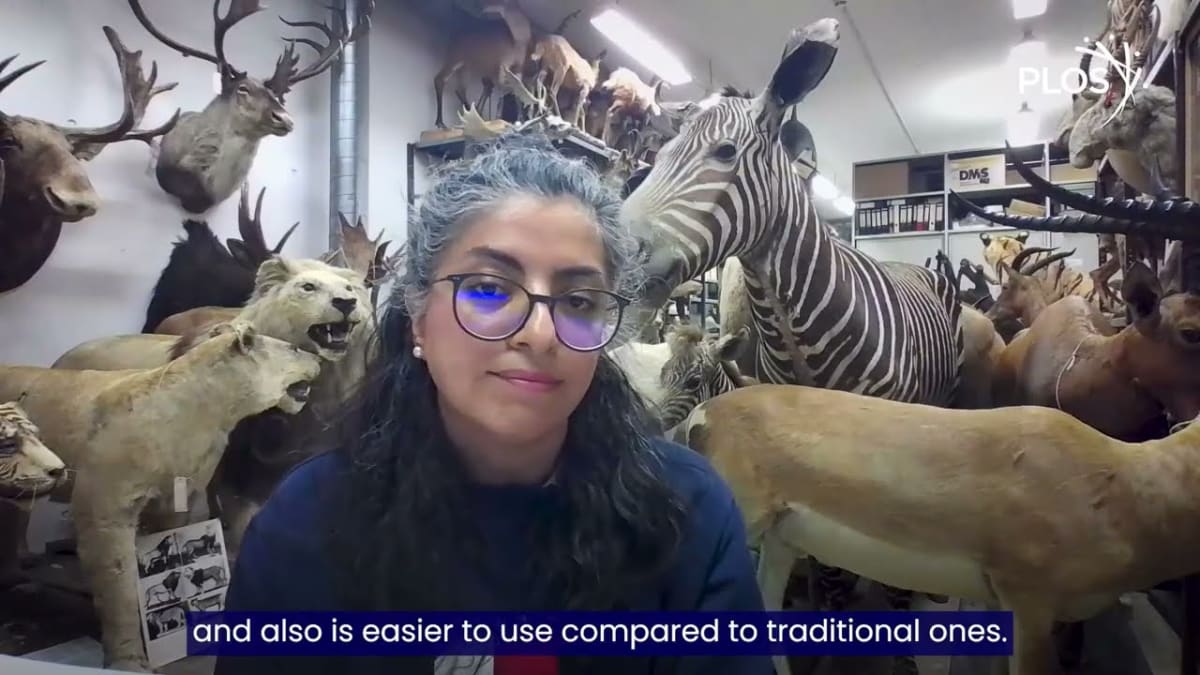
The method works especially well for institutions with limited space, staff, or funding. Researchers can set up a simple colony without expensive equipment or dedicated rooms. Study co-author Niloofar Alaei Kakhki says institutions just need to "trust the new approach" and try it once to see the difference.
The team isn't claiming superworms will replace every other cleaning method. Different specimens need different techniques. But they believe these larvae offer an excellent balance of cost, efficiency, safety, and quality that makes them a valuable new tool.
Rutherford is already considering using superworms on a snake skeleton with hundreds of tiny, delicate ribs he's been hesitant to clean. Sometimes the smallest creatures make the biggest difference.
More Images
%2Fhttps%3A%2F%2Ftf-cmsv2-smithsonianmag-media.s3.amazonaws.com%2Ffiler_public%2F92%2F1d%2F921dc374-286e-4958-af39-60fa2c33e07e%2Fjournalpone0349669g004.png)
%3Afocal(1075x737%3A1076x738)%2Fhttps%3A%2F%2Ftf-cmsv2-smithsonianmag-media.s3.amazonaws.com%2Ffiler_public%2F92%2F1d%2F921dc374-286e-4958-af39-60fa2c33e07e%2Fjournalpone0349669g004.png)
%2Fhttps%3A%2F%2Ftf-cmsv2-smithsonianmag-media.s3.amazonaws.com%2Faccounts%2Fheadshot%2FSarahKuta.png)
Based on reporting by Smithsonian
This story was written by BrightWire based on verified news reports.
Spread the positivity!
Share this good news with someone who needs it