Supreme Court Upholds Birthright Citizenship for All
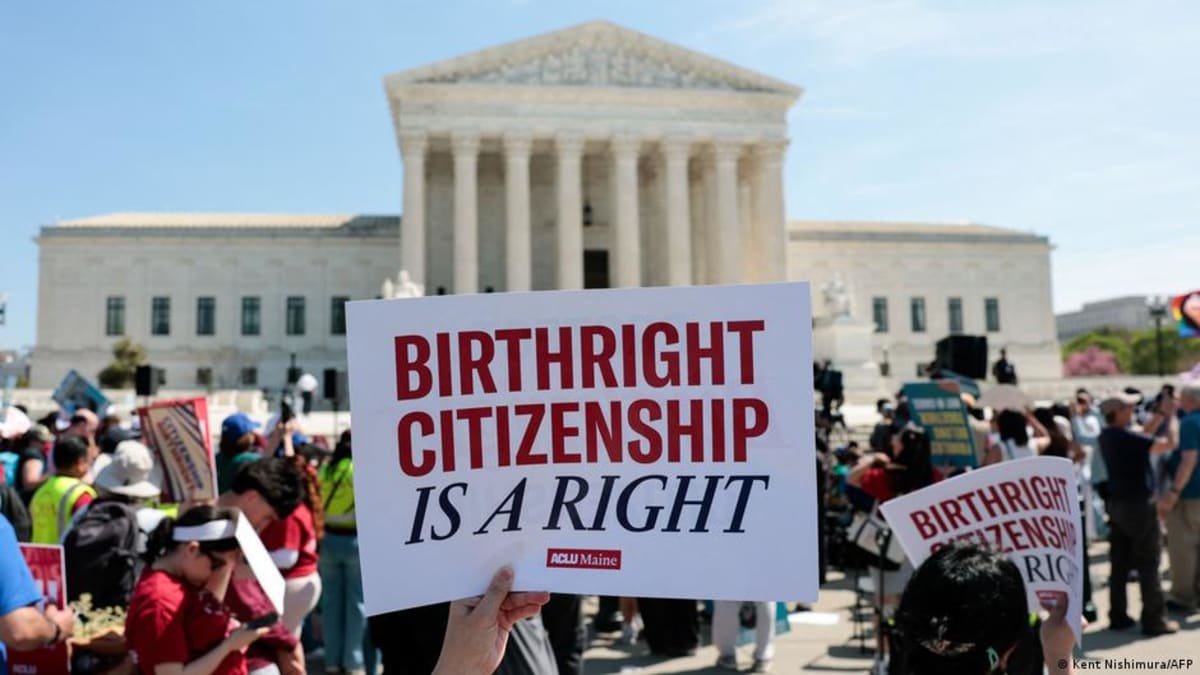
The US Supreme Court ruled 6-3 to protect the constitutional right to citizenship for nearly everyone born on American soil, blocking an executive order that would have restricted this fundamental promise. Chief Justice John Roberts affirmed that the 14th Amendment's guarantee stands strong today.
The Supreme Court just reaffirmed one of America's most fundamental promises: if you're born here, you belong here.
In a decisive 6-3 ruling, the nation's highest court struck down an executive order that would have restricted birthright citizenship. The decision protects the constitutional right of nearly all babies born on US soil to become American citizens, regardless of their parents' immigration status.
The challenged order had directed government agencies not to recognize citizenship for children born in the US unless at least one parent was a citizen or green card holder. Critics argued this violated the 14th Amendment's Citizenship Clause, which states that "all persons born or naturalized in the United States" are citizens.
Chief Justice John Roberts, writing for the majority, grounded the ruling in American values. "Citizenship, then and now, was the right to have rights," he wrote. The framers of the 14th Amendment extended that promise to "every free-born person in this land."
The case attracted intense national attention, with the president personally attending oral arguments in April. Lower courts across the country, including in New Hampshire, had already blocked the executive order before it reached the Supreme Court.
The American Civil Liberties Union celebrated the decision as a clear statement of national identity. "No matter who your parents are, if you're born here, you belong here," the organization said.
The Bright Side
This ruling does more than settle a legal question. It reinforces a principle that has helped define American society for over 150 years.
The US follows the legal concept of "jus soli," meaning "right of soil," a practice descended from English common law. While most countries determine citizenship through parental lineage, America has long taken a different approach, one rooted in place rather than ancestry.
That inclusive framework has shaped generations of American families and communities. The court's decision ensures it will continue shaping future ones.
The ruling came on the final day of the Supreme Court's term, underscoring its significance among this year's major decisions. Justices had signaled skepticism about the restrictions during spring arguments, suggesting the constitutional text was clear.
For families who had lived with uncertainty about their children's status, the decision brings relief and clarity. The constitutional promise remains intact.
Based on reporting by DW News
This story was written by BrightWire based on verified news reports.
Spread the positivity!
Share this good news with someone who needs it