Surabaya Leads Indonesia's River Plastic Cleanup Program
Indonesia has launched a groundbreaking partnership to stop plastic from flowing into the ocean, and Surabaya was chosen to lead the way. The program will clean rivers while teaching communities to stop waste at its source.
Indonesia is tackling ocean plastic pollution where it starts, and the bustling city of Surabaya in East Java gets to show the country how it's done.
The Coordinating Ministry for Food Affairs just launched a river plastic prevention program that targets waste before it reaches the ocean. Surabaya earned the pilot spot because the city already has strong community waste programs in place.
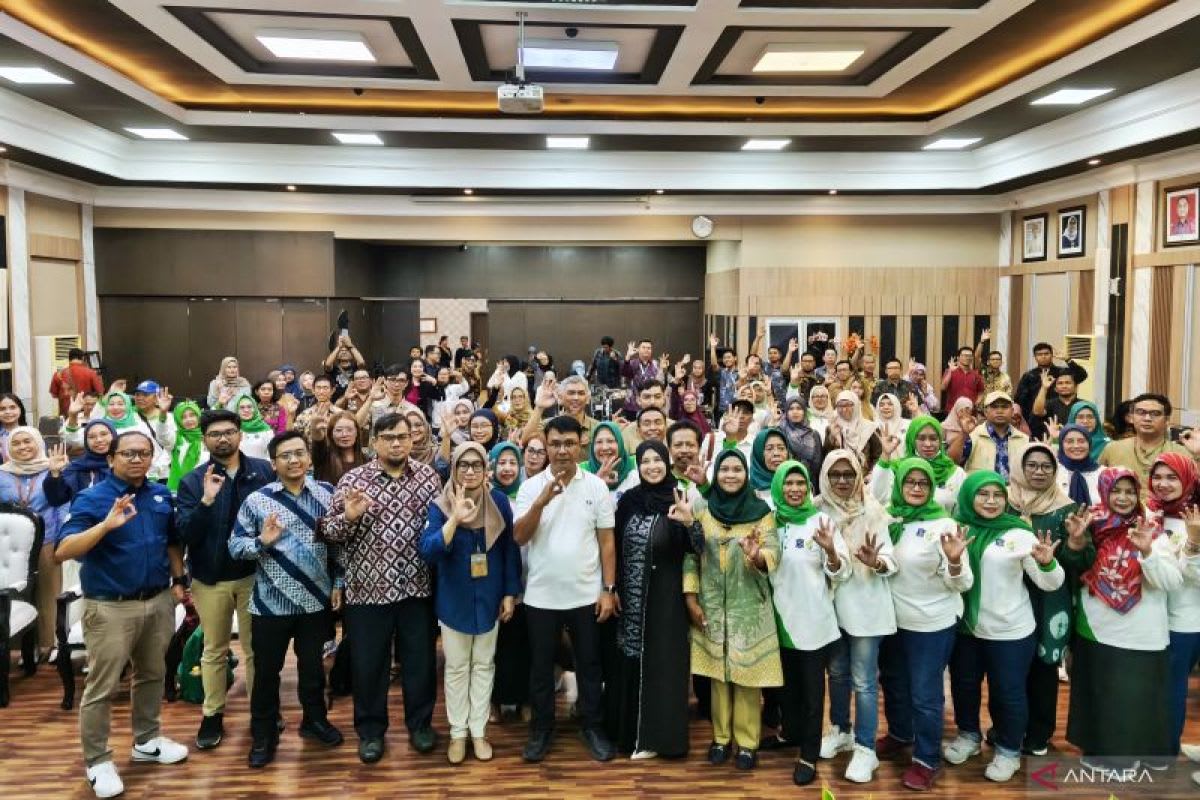
"It is hoped that Surabaya will become a model city," said Ahmad Didin, Assistant Deputy for Circular Economy and Environmental Impact. Four other locations will follow once Surabaya proves what works.
The program starts with two rivers, the Tebu and Mrutu, before expanding to Sidoarjo, Solo, Bekasi, and Bali. With support from the United Arab Emirates government and the United Nations Development Programme, teams will clean existing waste, map where pollution flows from, and install filtration systems.
But here's the real game changer. The program focuses on stopping waste before it enters rivers by teaching people to sort and reduce trash at home.
"We encourage people to reduce and sort waste at its source to create economic value while preserving river ecosystems," said Sri Murwani Nurfadhila Astuti, Head of the Community Behavioral Change Working Group. When communities sort waste properly, recyclables can be sold instead of dumped.
The Ripple Effect
This isn't just about cleaner rivers in one city. Over 70 percent of Indonesian rivers suffer from moderate pollution, making this a nationwide crisis that needs local solutions.
By starting in Surabaya, organizers can identify what works in a real urban environment before rolling out programs across the country. Communities in other regions won't have to start from scratch because they'll have a proven model to follow.
The partnership approach means local residents aren't just watching cleanup crews work. They're learning skills and habits that keep rivers clean long after the initial cleanup ends.
When communities take ownership of their waterways and see the economic benefits of sorting waste, the changes stick. One city's success could spark a movement that protects Indonesia's rivers and keeps tons of plastic out of the ocean for generations to come.
Based on reporting by Google News - Plastic Reduction
This story was written by BrightWire based on verified news reports.
Spread the positivity!
Share this good news with someone who needs it