Sweden Finds Smart Solution to Electricity Grid Strain
Researchers propose automated control systems for home appliances that could ease electricity grid congestion without disrupting daily life. The approach shifts away from complex pricing schemes that haven't delivered results after decades of testing.
Imagine if your heat pump and electric car charger could automatically adjust their power use to help prevent blackouts, all while keeping your home comfortable and your car charged when you need it.
That's the vision behind new research from Uppsala University that could transform how countries manage growing strain on electricity grids. Researcher Fouad El Gohary argues that after decades of unsuccessful attempts to get people to respond to price signals, it's time for a simpler solution.
The current approach across the European Union relies on market incentives and complex pricing to encourage households and businesses to shift their electricity use to off-peak times. Despite years of research and countless pilot projects, this strategy has produced disappointing and inconsistent results.
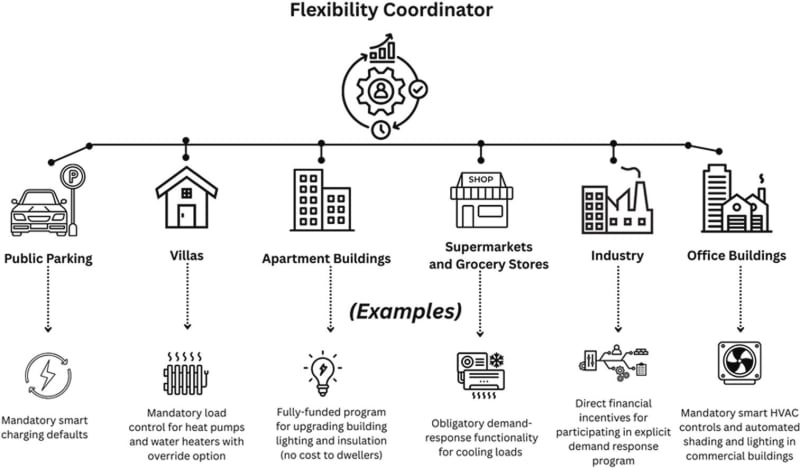
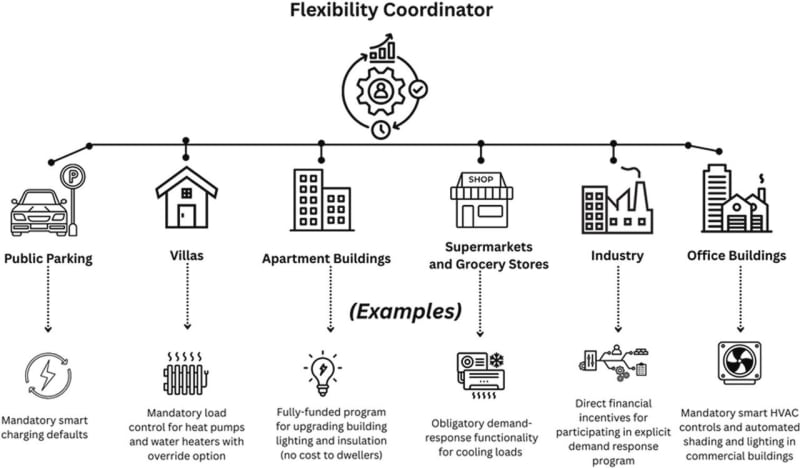
El Gohary's alternative takes a system-level approach. Instead of asking millions of individuals to constantly monitor prices and adjust their behavior, a dedicated coordinator would manage flexibility automatically based on actual grid needs.
The practical side looks remarkably simple. Heat pumps, EV chargers, and other major appliances would include built-in controllability features that respond to grid conditions. The key is designing these systems to be minimally intrusive, protecting user comfort and preferences while still delivering benefits to the overall electricity system.
Think of it like cruise control for your home's energy use. You set your preferences once, and the system handles the rest, making tiny adjustments you'd barely notice.
The Ripple Effect
This matters especially now as countries race to electrify transportation and heating to meet climate goals. Sweden faces increasing grid congestion and local capacity shortages, problems that pricing alone hasn't solved.
The approach could work anywhere struggling with similar challenges. By embedding flexibility into the system through regulation and automation rather than relying on constant human decision-making, it removes the burden from individual consumers while still achieving grid stability.
El Gohary points to precedent: when market-based approaches moved too slowly, the EU successfully mandated solar installations on new buildings. The same regulatory thinking could accelerate other parts of the energy transition, including how we manage electricity demand.
The next step involves ensuring heating systems have the technical capability for external control, even before mandating its use. Researchers need to explore how to design, communicate, and normalize these minimally intrusive controls in ways electricity users find acceptable.
The goal isn't government control of your thermostat—it's smart automation that benefits everyone by preventing blackouts, reducing the need for expensive grid upgrades, and supporting the shift to renewable energy. As more countries face similar grid pressures, automated flexibility could become as standard as having a circuit breaker in your home.
More Images



Based on reporting by Phys.org - Technology
This story was written by BrightWire based on verified news reports.
Spread the positivity!
Share this good news with someone who needs it