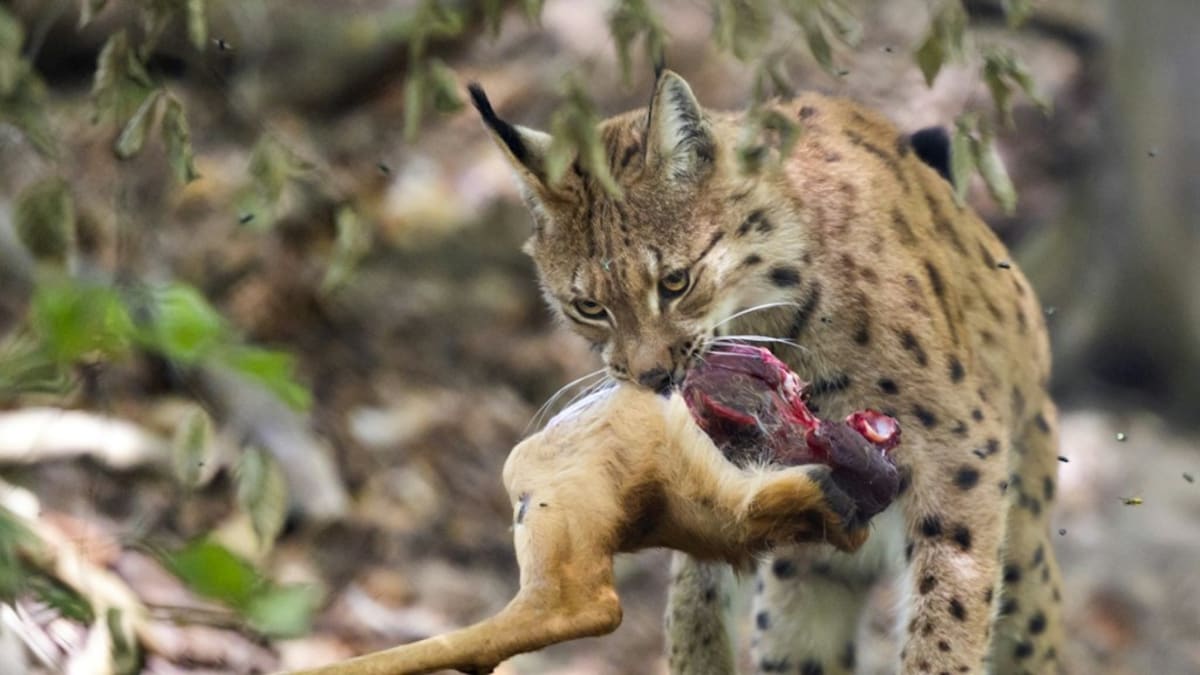
Swiss Zoos Save Endangered Lynx, Return Them to Wild
Swiss zoos are breeding endangered species and successfully releasing them back into nature, giving animals like lynx a second chance at survival. One-third of the 800+ species in Swiss zoos are threatened with extinction, and these facilities serve as a genetic safety net for our planet's biodiversity.
Swiss zoos are quietly becoming lifeboats for species on the brink of disappearing forever.
The country's scientifically managed zoos now care for more than 800 animal species, with about one-third facing extinction in the wild. These facilities aren't just viewing galleries—they're building genetically healthy backup populations that could one day repopulate the wild.
The lynx program shows how this works in practice. Several lynx bred at Switzerland's Bern Zoo have already been released into forests in Germany, prowling territories their ancestors once called home.
"These serve as a kind of insurance in case populations in the wild are lost," explains Severin Dressen, director of Zurich Zoo. The idea is simple but powerful: if a species vanishes from nature, zoos can help bring it back.
Modern zoo care has improved dramatically over the decades. Better housing, nutrition, and veterinary medicine mean animals live longer, healthier lives than ever before.
The Ripple Effect
This conservation work reaches far beyond Swiss borders. When a lynx born in Bern walks free in German forests, it strengthens genetic diversity across entire regions.
The success depends on protected habitats waiting for these animals. Reintroduction only works when the threats that endangered species in the first place—habitat loss, hunting, climate change—have been addressed.
Swiss zoos participate in international breeding programs that coordinate efforts across continents. A cub born in Zurich might eventually contribute to recovery efforts anywhere in its species' historic range.
Zoo experts emphasize that allowing animals to reproduce serves their psychological wellbeing too. "Reproduction is a basic need of every animal, which is why it should generally be allowed in zoos," said Marcus Clauss, co-director of the Clinic for Zoo, Pet, and Wildlife Animals at Zurich Animal Hospital.
The ultimate goal, conservationists say, is a world where these rescue efforts aren't necessary. "In an ideal world, there would be no need for zoos," Dressen acknowledged.
Until that day comes, Swiss zoos are giving threatened species something priceless: time to recover while humans work to protect their natural homes.
Based on reporting by Google: species saved endangered
This story was written by BrightWire based on verified news reports.
Spread the positivity!
Share this good news with someone who needs it
%2Fhttps%3A%2F%2Ftf-cmsv2-smithsonianmag-media.s3.amazonaws.com%2Ffiler_public%2Fb8%2F56%2Fb856c57c-7aff-4096-b546-25ba8d8da052%2Fdsc1535.jpeg)