Sydney Drivers Cut Car Trips 6% as Fuel Crisis Spikes Prices
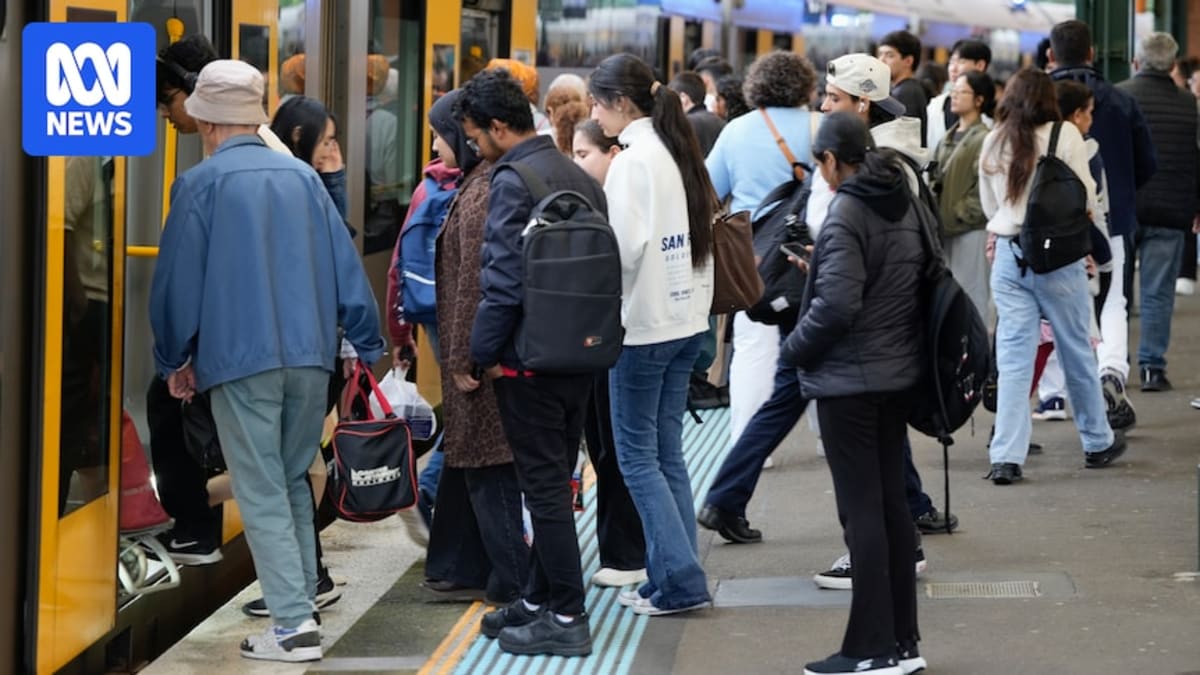
As fuel prices soared to record highs, Sydney residents chose to walk, cycle, and take public transit instead of driving. Traffic on major roads dropped up to 7% while walking increased nearly 38%.
When fuel prices nearly doubled in six weeks, Sydney residents didn't just complain. They changed how they move around their city.
Since conflict in the Middle East sent fuel prices soaring in March 2026, car trips on Sydney's busiest roads have fallen by up to 7%. The average cost of regular petrol jumped from $1.68 in February to $2.20 in April, while diesel skyrocketed from $1.83 to $3.01.
Sydney Harbour Bridge saw 6% fewer weekday car trips by the end of March. City West Link dropped 7%, while Epping Road and Parramatta Road both fell 5%.
But here's where the story gets interesting. Those missing cars didn't just vanish.
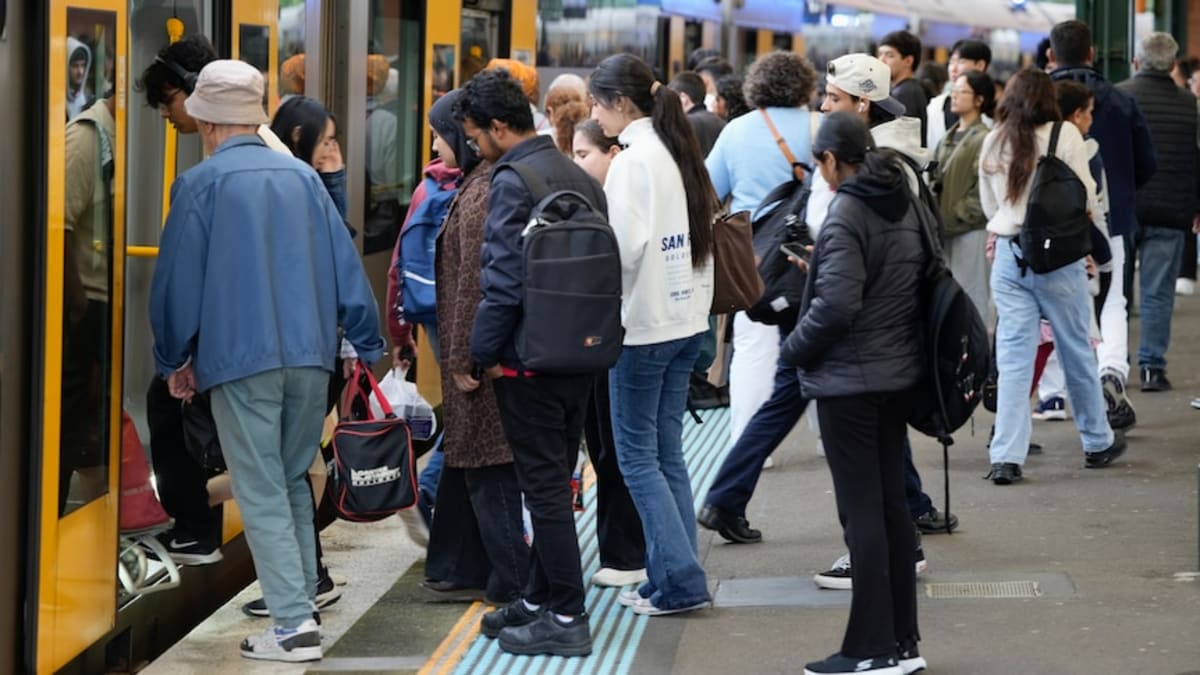
Public transit ridership climbed 1.5% compared to the same period last year. More than 2.4 million people now take weekday trips using their Opal cards, according to Transport for NSW data.
The real winner? Active transportation.
Cycling across Greater Sydney jumped 10.4% since January. Walking increased even more dramatically, with a 37.6% rise in pedestrian counts at monitored sites across the region over three months.
Transport for NSW tracked the shift using data from 294 cycling sites and 99 walking locations throughout Greater Sydney. The pattern became clear in mid-March, exactly when fuel prices showed no signs of dropping.
The Ripple Effect
This spontaneous shift represents something bigger than saving money on gas. Sydney is accidentally running a citywide experiment in sustainable transportation, and the results are promising.
Fewer cars mean cleaner air for everyone. More people walking and cycling means healthier communities. The 1.5% boost in public transit shows the system can handle increased demand when people need alternatives.
Even toll road usage stayed stable at 0.6% growth, suggesting people who truly need to drive for work or essential trips continue doing so. The reduction came from discretionary driving and short trips that work just as well on foot or by bike.
The timing matters too. These changes happened organically, driven by economic reality rather than government mandates or lengthy awareness campaigns. When given a financial reason to reconsider their habits, Sydneysiders proved they could adapt quickly.
Six weeks isn't long enough to call this permanent, but it's enough to show what's possible when a city embraces alternatives to driving.
More Images


Based on reporting by ABC Australia
This story was written by BrightWire based on verified news reports.
Spread the positivity!
Share this good news with someone who needs it