Syria Returns to World Health Assembly After Years Away
Syria rejoined global health discussions at the UN's World Health Assembly in Geneva, marking a significant step toward rebuilding its healthcare system. The move signals growing international cooperation after years of isolation.
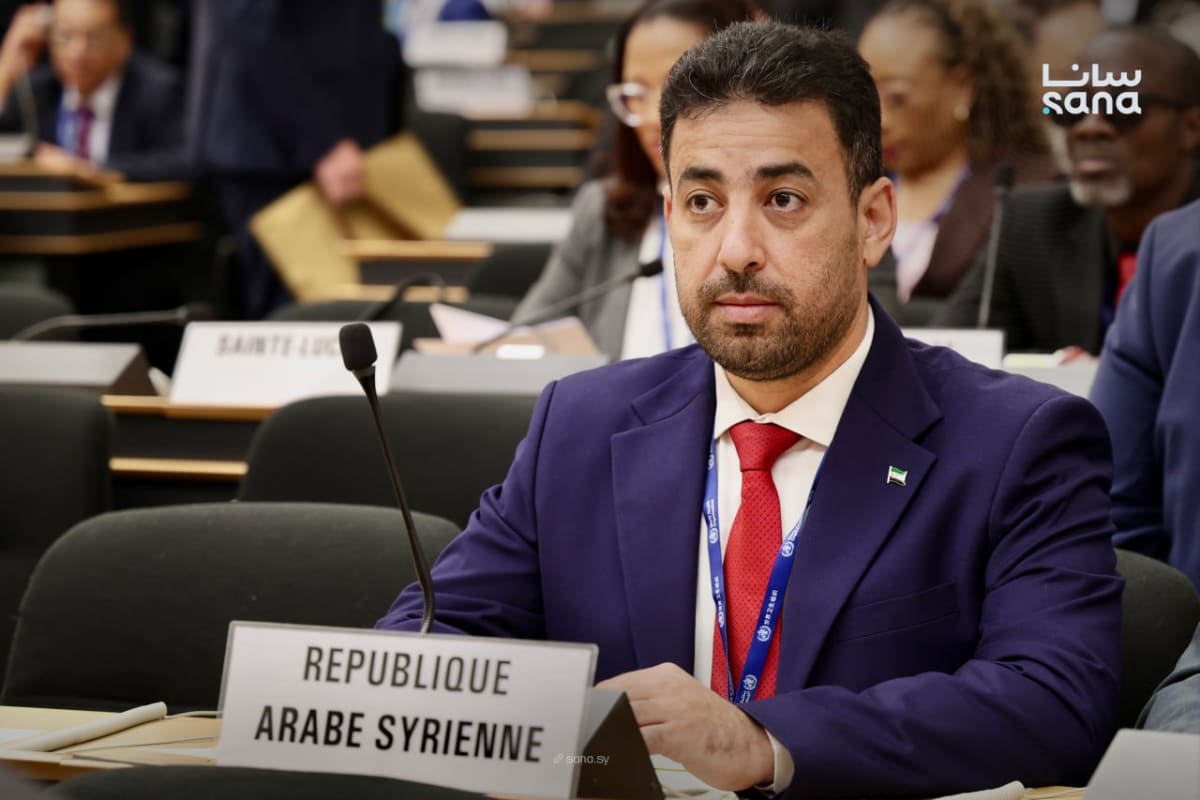
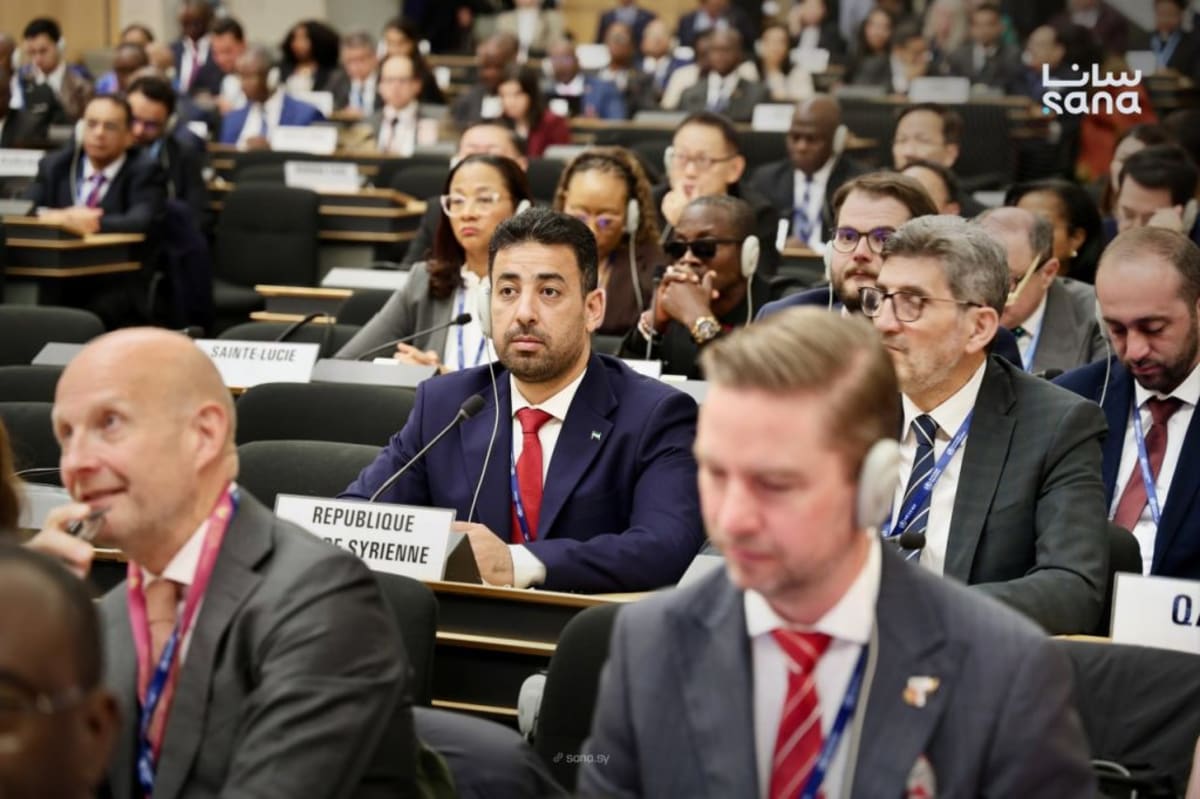
Syria's health minister walked into the United Nations building in Geneva this week for the first time in years, ready to rebuild connections that could save lives back home.
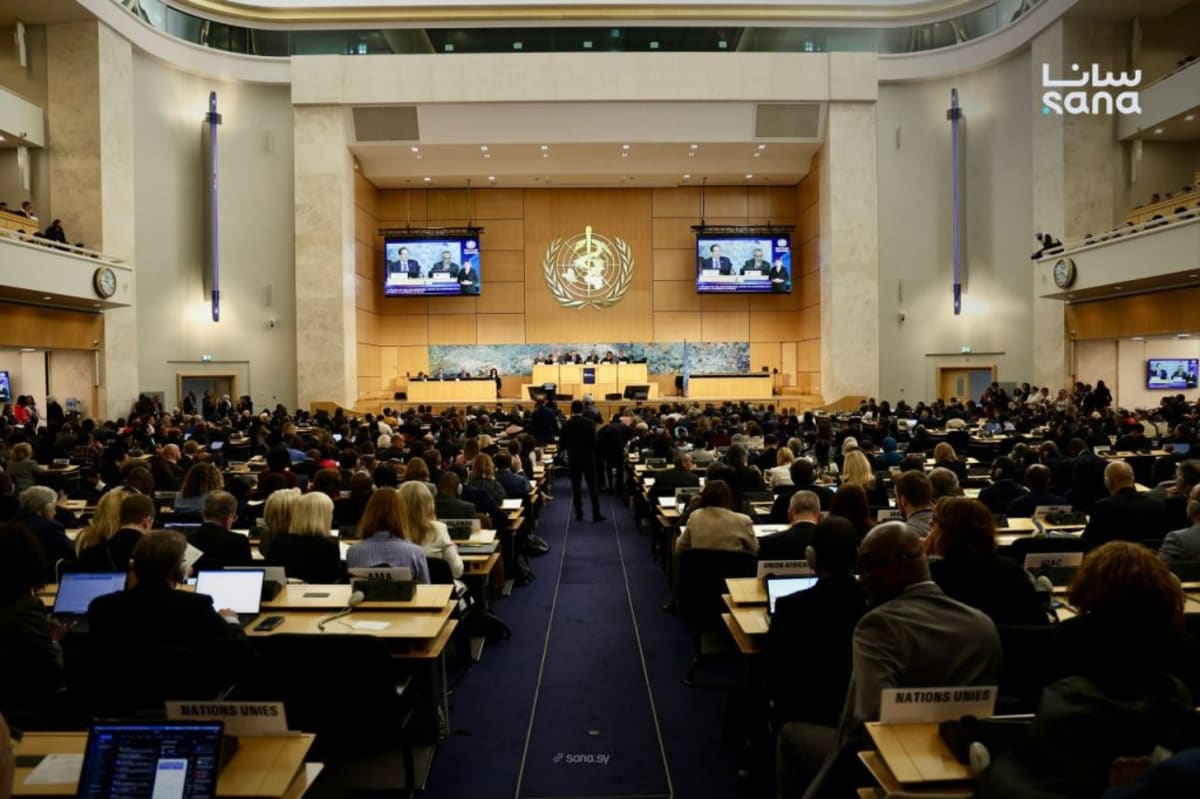
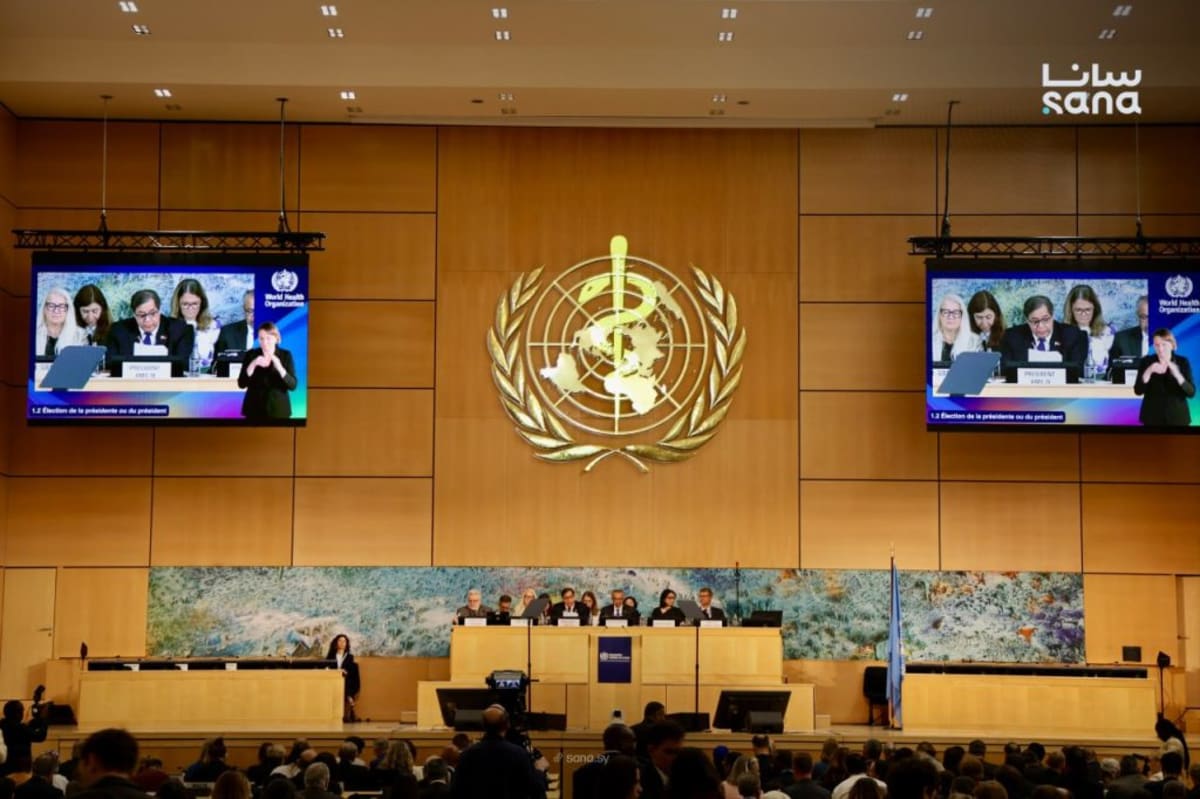
Health Minister Musab al-Ali joined delegations from around the world at the 79th World Health Assembly, which runs through May 23. The annual gathering brings together health leaders to tackle global challenges, from disease outbreaks to climate impacts on public health.
Syria's participation marks a meaningful shift. For years, the country's healthcare system has struggled under the weight of conflict and isolation. Now, Syrian officials are sitting at the table with international partners, discussing practical ways to strengthen hospitals, improve emergency response, and develop local pharmaceutical production.
The assembly's theme this year is "Reshaping Global Health: A Shared Responsibility." That shared responsibility includes helping nations recover and rebuild, regardless of their past.
During the six-day meeting, Syria's delegation plans to hold side meetings with other countries and health organizations. Their goals are concrete: securing support for rebuilding health infrastructure, upgrading national health information systems, and training medical professionals.
The timing matters. Health leaders at the assembly are focusing on emergency preparedness and equitable access to healthcare. Syria needs both, and its presence means the international community can finally coordinate directly with Syrian officials on solutions.
The Ripple Effect
Syria's return to global health conversations opens doors for millions of people. Better healthcare infrastructure doesn't just help during emergencies. It means children get vaccinated, mothers receive prenatal care, and chronic diseases get managed before they become crises.
The World Health Assembly also provides Syria access to technical expertise and best practices from countries that have rebuilt their own health systems after hardship. These connections could accelerate recovery in ways that isolated efforts never could.
Beyond Syria, the assembly is addressing how climate change and air pollution affect public health worldwide. The WHO plans to launch a new communications initiative connecting these environmental challenges to health outcomes, building on last year's global action plan.
Other nations attending are watching Syria's reintegration closely. Successful cooperation here could model how the international community supports countries working to rebuild while maintaining health standards and accountability.
The assembly wraps up this Friday, but the relationships formed there will continue. For Syria, that means ongoing technical support, knowledge sharing, and the kind of sustained partnership that helps health systems grow stronger over time.
More Images
Based on reporting by Google: cooperation international
This story was written by BrightWire based on verified news reports.
Spread the positivity!
Share this good news with someone who needs it