T. Rex Ran Hot: New Tooth Science Reveals Dinosaur Secrets
Scientists discovered that Tyrannosaurus rex had body temperatures matching humans, proving these ancient giants were fast, active predators. A breakthrough tooth analysis technique finally solved a mystery that's puzzled researchers for decades.
Scientists just confirmed that T. rex was every bit as fierce as we imagined, and the proof came from an unexpected place: dinosaur dentistry.
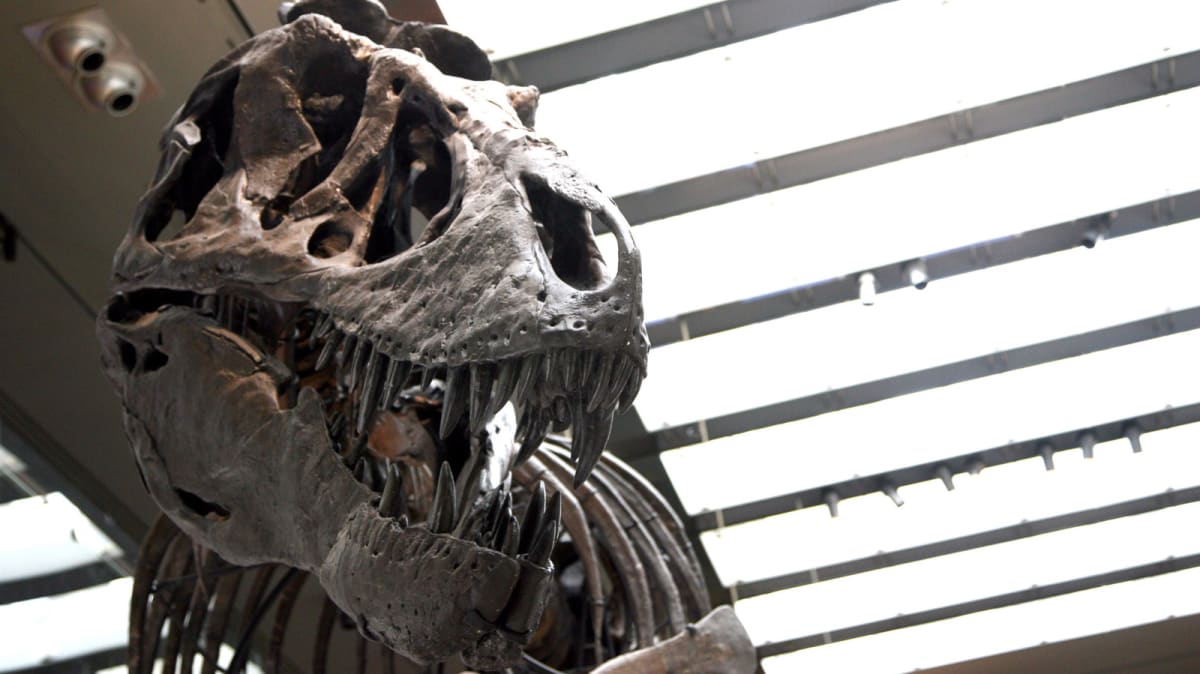
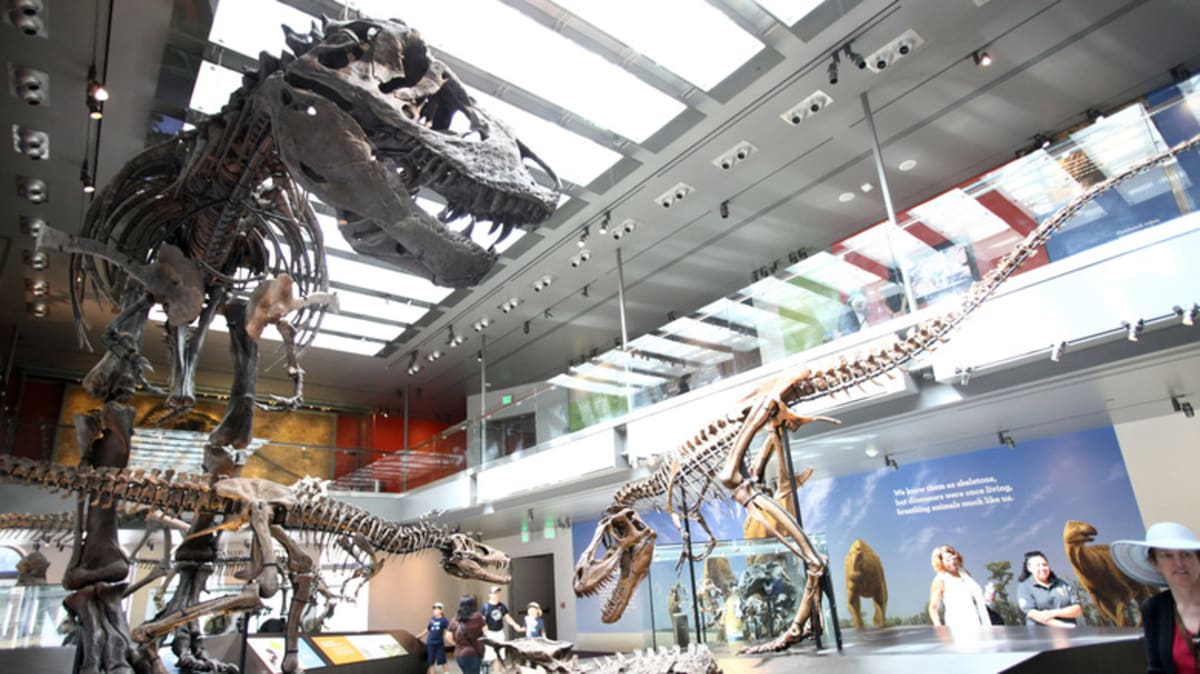
Researchers at UCLA developed a groundbreaking technique that measures body temperature in fossils by analyzing isotopes in tooth enamel. When they tested teeth from Thomas the T. rex at the Natural History Museum in Los Angeles, they discovered something remarkable: these prehistoric giants ran at 97.3 degrees Fahrenheit, almost identical to human body temperature.
This finding proves T. rex was warm-blooded, unlike most modern reptiles. That means these creatures could sustain activity and chase down prey over long distances, rather than relying on short bursts of speed like crocodiles.
The research team faced a major challenge for years. Their analysis technique required too much tooth material, and museums understandably refused to let scientists shave down rare fossils. But after a decade of refinement, the method now works with tiny samples, opening the door to studying precious specimens.
The temperature discovery explains mysteries that have puzzled paleontologists for years. Cold-blooded reptiles need warm, sunny environments to survive, but T. rex fossils have been found as far north as Alaska. A warm-blooded metabolism would have allowed these dinosaurs to thrive in cooler climates and higher elevations.
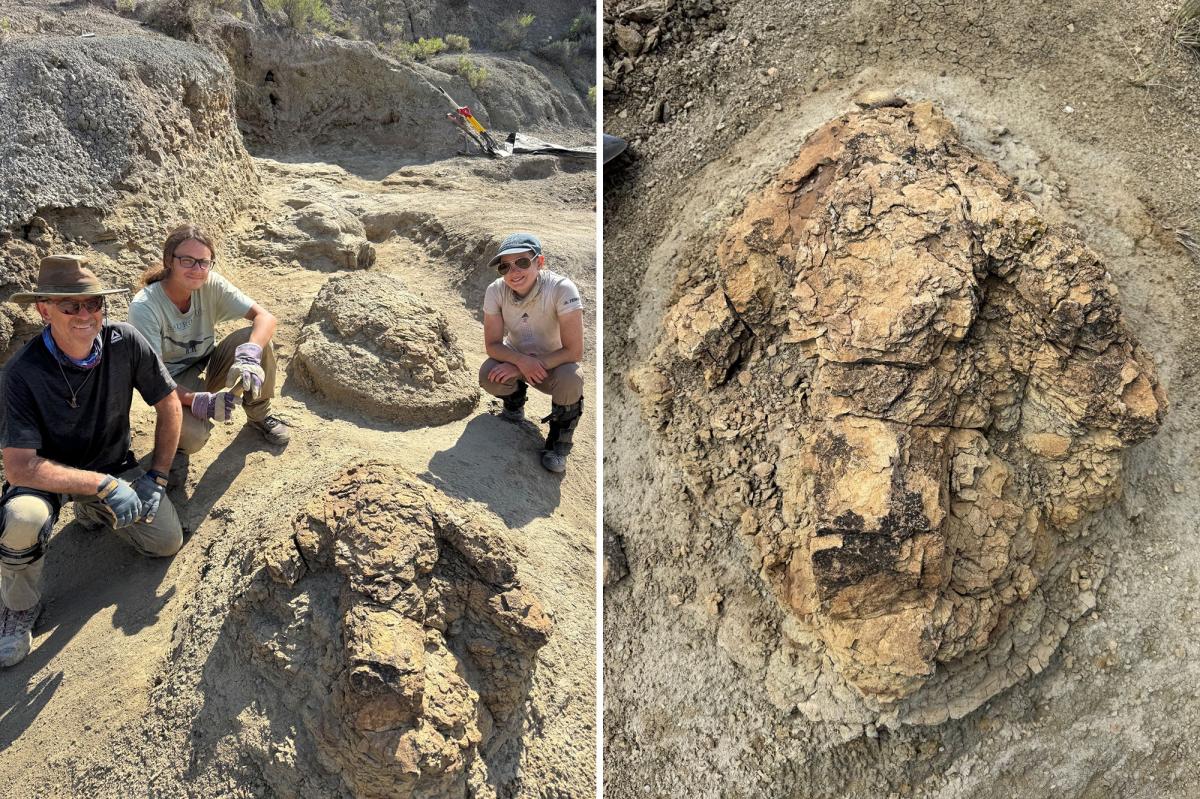
Recent discoveries paint an even fuller picture of how T. rex lived. The first adult T. rex tracks, found in North Dakota, show these animals walked at about 4 mph with 13-foot strides. Younger T. rexes could sprint 100 meters in under 9 seconds, faster than Olympic champion Usain Bolt.
Why This Inspires
This breakthrough shows how persistence and innovation unlock secrets buried for 65 million years. The UCLA team spent ten years perfecting their technique, never giving up despite being turned away from fossil collections. Their patience paid off with a discovery that rewrites our understanding of one of history's most iconic creatures.
The research also tested ancient crocodile teeth for comparison, confirming those cold-blooded reptiles ran at just 88 degrees. The contrast makes the T. rex finding even more striking.
Scientists still debate whether T. rex primarily hunted or scavenged from other predators' kills. But one thing is certain: these weren't slow, lumbering beasts waiting in ambush. They were active, energetic animals capable of covering vast territories.
Sometimes the biggest discoveries come from the smallest samples, proving that smart science can answer questions we thought were lost to time.
More Images


Based on reporting by Google News - Scientists Discover
This story was written by BrightWire based on verified news reports.
Spread the positivity!
Share this good news with someone who needs it