Taiwan Divers Find New Species Smaller Than a Sesame Seed
A recreational diver in Taiwan discovered a translucent sea slug tinier than a grain of rice that turned out to be completely new to science. The find hints that countless tiny ocean species are still waiting to be discovered in coastal waters around the world.
A college student on a casual dive trip spotted something extraordinary hiding in plain sight: a sea slug so tiny it could fit on a sesame seed.
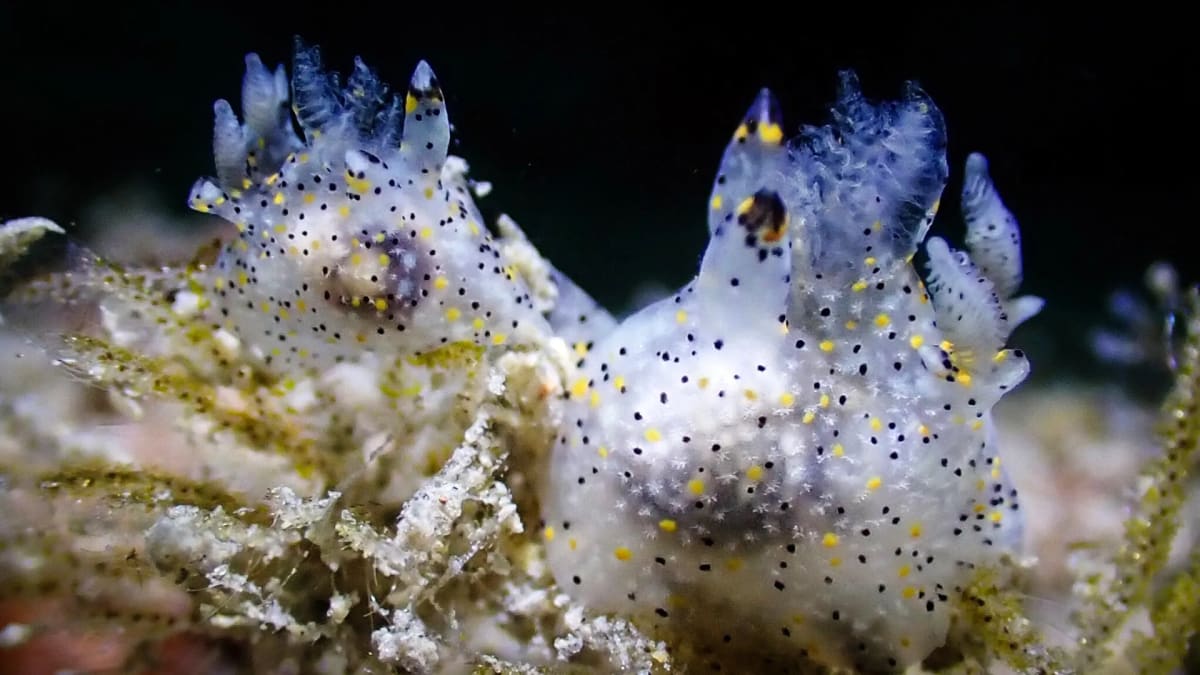
Ho-Yeung Chan was diving off the coast of Keelung in northern Taiwan during summer break in 2019 when he noticed the translucent creature covered in black and yellow spots. At just three millimeters long, the nudibranch was smaller than a grain of rice and nearly invisible against its underwater home.
Chan snapped some photos but didn't realize he'd found anything special. The breakthrough came when he reached out to a sea slug expert nicknamed "Hsini Lin teacher" on Facebook, who confirmed that no one had ever documented this species before.
Scientists from three Taiwanese universities officially named it Thecacera sesama after the Mandarin word for sesame seed. Local divers had already been calling it "sesame" because of its size and distinctive spotted pattern.
The discovery wasn't easy to follow up on. Taiwan's northern coast faces intense seasonal weather that makes underwater research possible only about four months each year. Summer brings typhoons, while winter monsoons create massive waves and drop water temperatures below 16 degrees Celsius.
Researchers observed that T. sesama lives on tiny aquatic invertebrates called bryozoans, spending its days feeding, searching for food, mating, and laying eggs. Interestingly, the bryozoan species hosting the sea slug might also be new to science.
Why This Inspires
This accidental discovery by an undergraduate student reveals something hopeful about our oceans. Despite centuries of marine exploration, we're still finding new life in coastal waters that people visit regularly for recreation.
The research team emphasized that nudibranchs play key roles in marine food webs, even though many species are nearly impossible to spot with the naked eye. Scientists believe T. sesama represents just a glimpse of Taiwan's hidden marine biodiversity.
The find shows that major scientific discoveries don't always require expensive expeditions to remote locations. Sometimes they happen during weekend dives when curious people look closely at the world around them and reach out to experts willing to help identify their finds.
The study appeared in the open access journal ZooKeys in May 2026, meaning anyone can read the full description of this tiny new neighbor sharing our planet.
One sesame-sized sea slug is reminding us that wonder still waits in shallow waters, visible to anyone who takes the time to look closely.
Based on reporting by Science Daily
This story was written by BrightWire based on verified news reports.
Spread the positivity!
Share this good news with someone who needs it

%3Amax_bytes(150000)%3Astrip_icc()%2Fusfws-tricolor-bumble-bee-large-66b5edded3884dd893cf1938e2068934.jpeg)