Taiwan Family Revives Language 'Dead' for 200 Years
A Taiwanese woman and her Filipino husband brought the extinct Siraya language back to life after discovering their ancestral tongues shared the same roots. Now 45 teachers across Taiwan are teaching Siraya to children, and the community just won official recognition as Taiwan's 17th Indigenous group.
When Uma Talavan showed her husband a 400-year-old religious text in her ancestors' language, neither expected what happened next. Edgar Macapili, born in the Philippines, suddenly recognized words that sounded like his own native Bisaya.
That moment in Taiwan sparked the resurrection of a language that hadn't been spoken in nearly two centuries. The couple spent years deciphering the Dutch missionary text word by word, comparing Siraya to Bisaya, both branches of the same Austronesian language family.
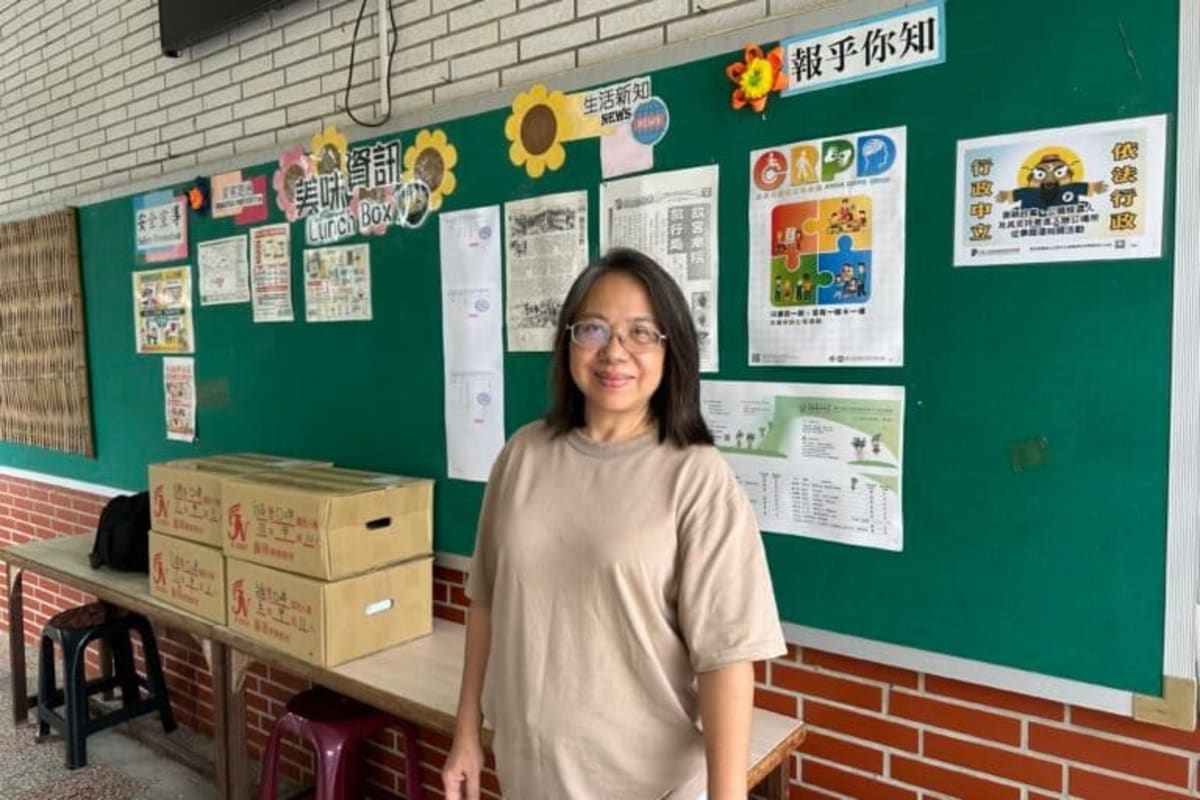
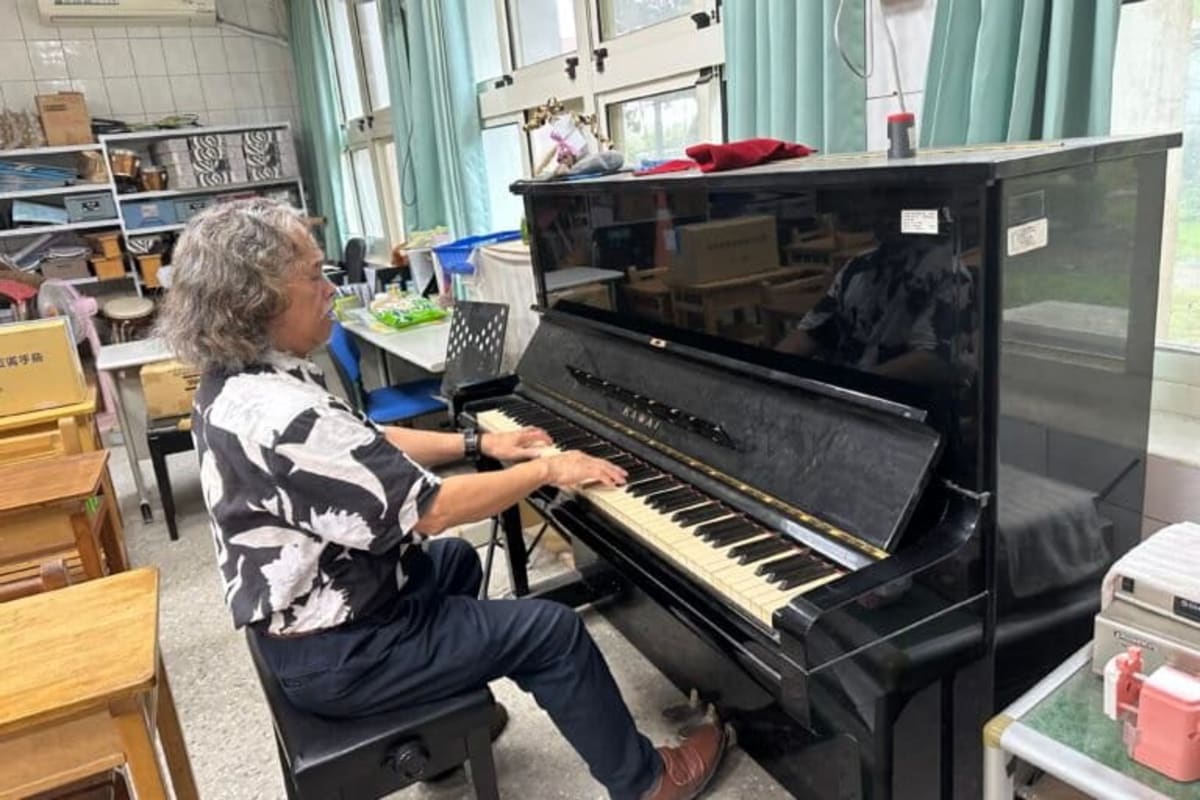
"We felt like we were witnessing a miracle," says Uma Talavan, now 62. The two musicians published the first Siraya dictionary in 2008, then did something even more remarkable: they set the ancient words to music so children could learn by singing.
The work started more than 20 years ago when Uma Talavan knew only a handful of Siraya words her parents had passed down. Centuries of forced assimilation had nearly erased the Siraya people's identity completely.
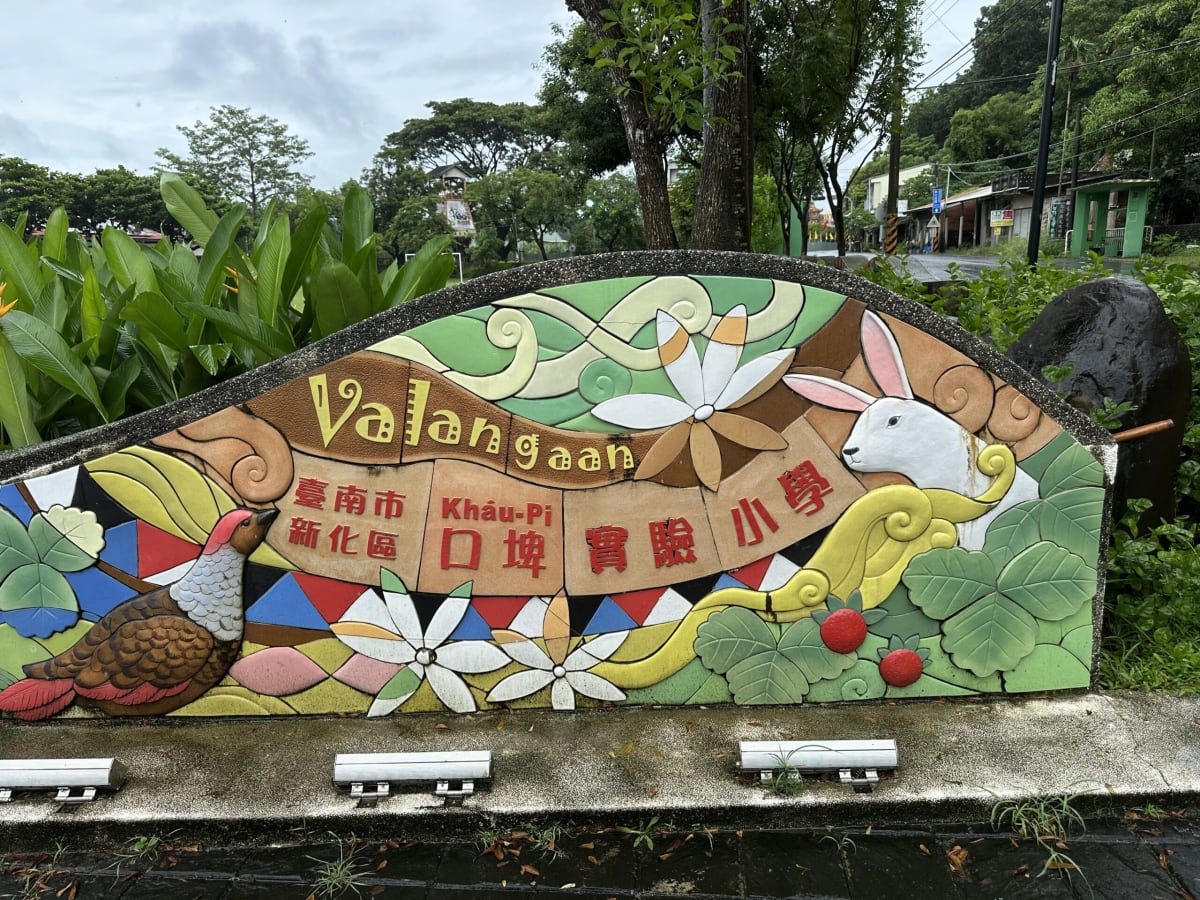
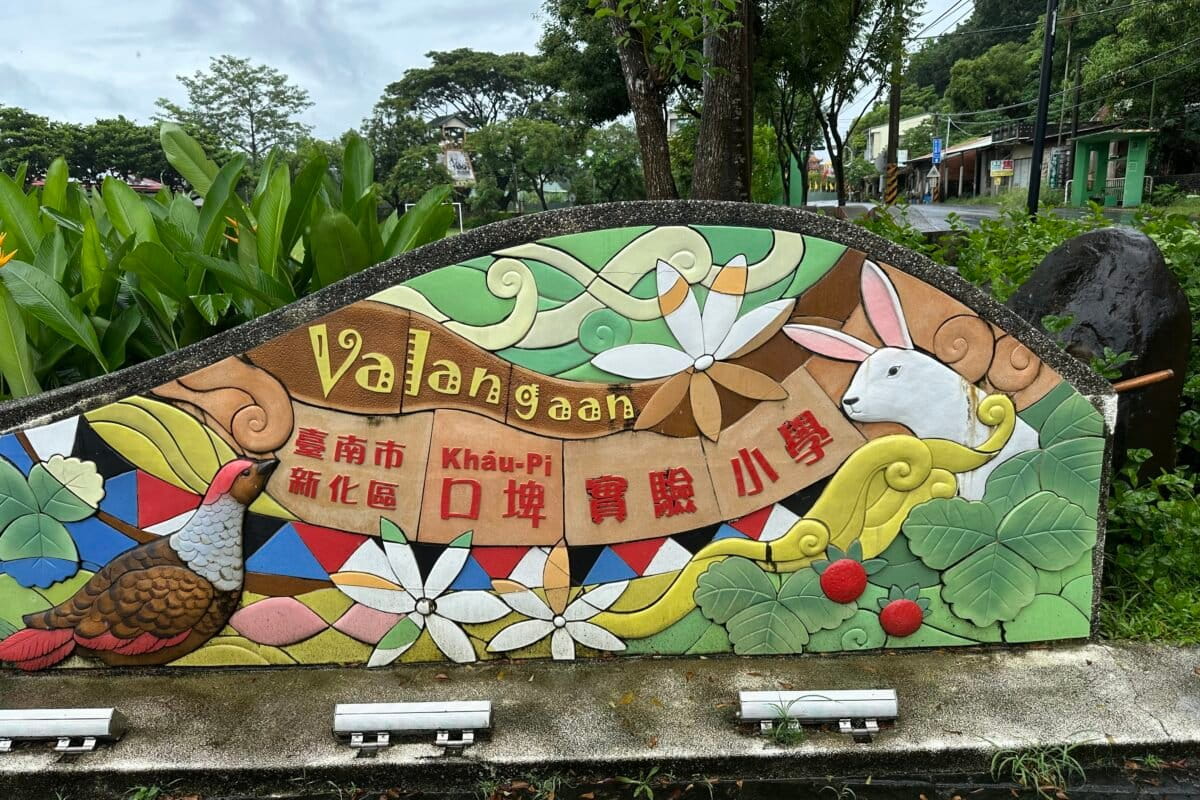
Today, 45 teachers trained by the couple teach Siraya at 26 schools across Taiwan. Koupi Experimental Elementary School in Tainan became the first school where learning Siraya is mandatory.
The Ripple Effect
The language revival helped secure something the Siraya people had fought for generations to achieve: official recognition. On July 30, Taiwan recognized the Siraya as the country's 17th Indigenous group, opening doors to more government support for language development.
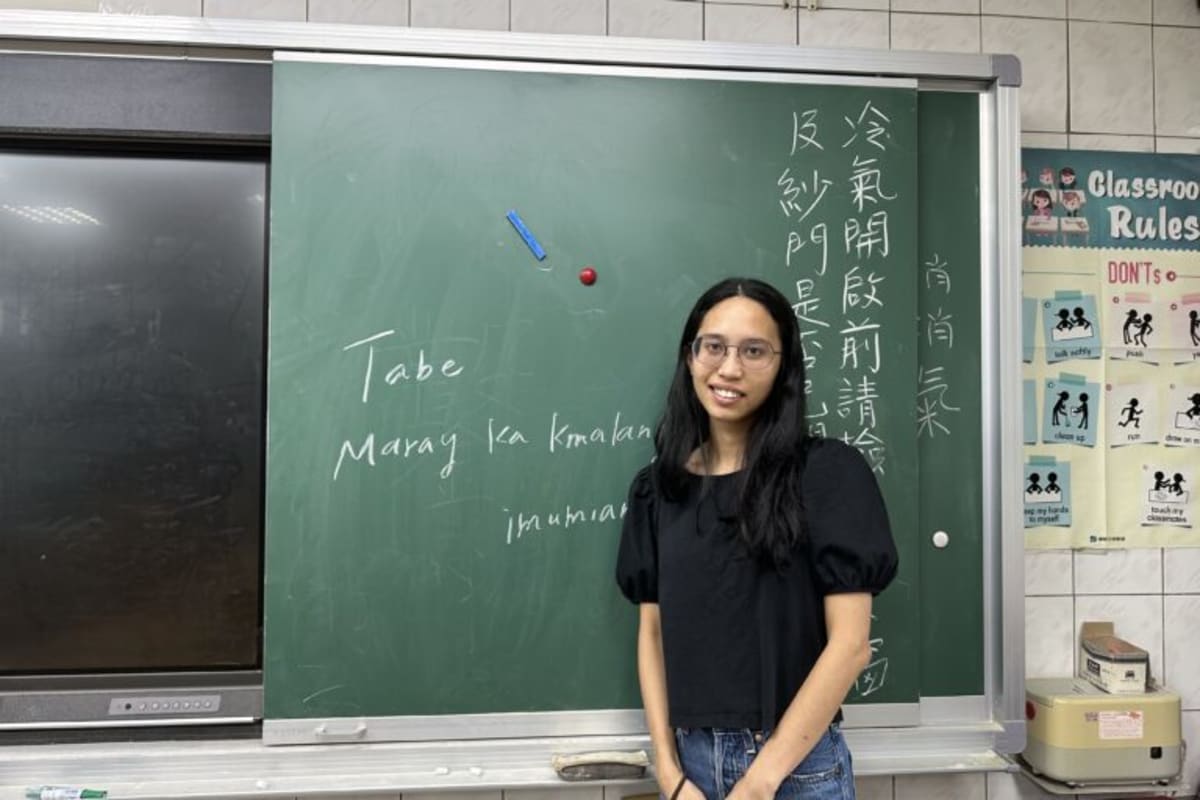
The impact now spans three generations. The couple's daughter Lici became a Siraya teacher while studying anthropology. Her sister Euphony has spoken only Siraya to her children since birth, making them the first native speakers of the revitalized language.
"It's a very young language, and for now it's mostly spoken by children," Lici Talavan explains. But that's exactly how languages grow back to life.
Even skeptical academics have come around. Dutch linguist Karl Adelaar initially thought the project was "doomed to be forgotten" when Macapili first emailed him in the 2000s. He traveled to Taiwan anyway and ended up joining the revival effort.
The Siraya, one of Taiwan's plains Indigenous peoples, were the first group the Dutch encountered when they arrived in the 17th century. For Uma Talavan, bringing back their language means reconnecting past to present: "Language is an extremely important part of a people's soul."
More Images
Based on reporting by Mongabay
This story was written by BrightWire based on verified news reports.
Spread the positivity!
Share this good news with someone who needs it